
All metal chicken coop
All metal chicken coop
When people ask me why my hens always look calm and tidy, I smile and point to the coop first. A strong all metal chicken coop does half of the daily work for you: it keeps them safe, dry, and peaceful so you can enjoy their company instead of chasing problems.
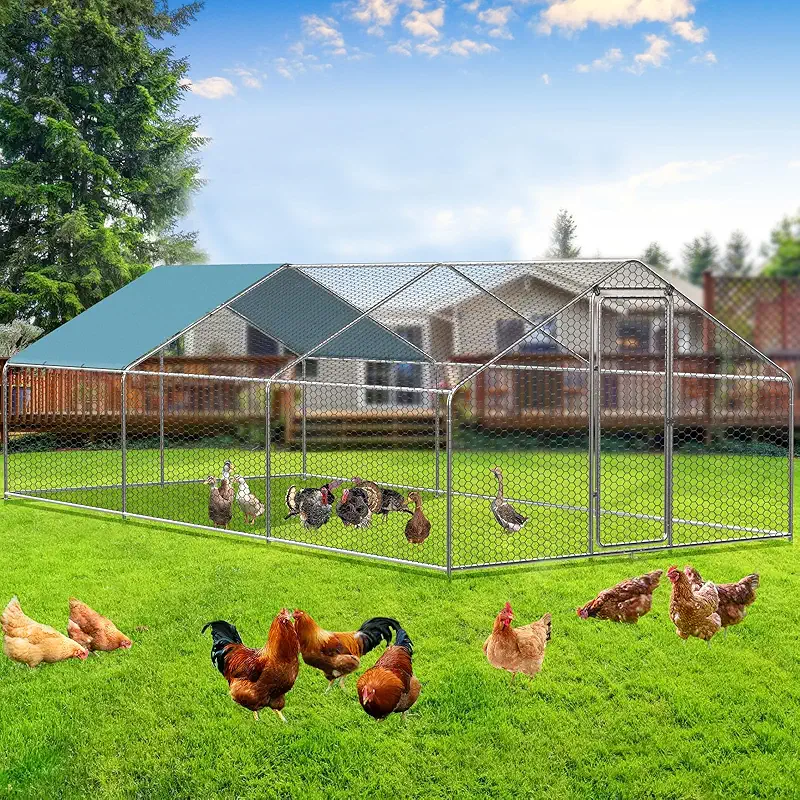
Why I moved to an all metal chicken coop
I grew up with wooden coops. My grandfather built them from old barn boards, and I loved the smell of pine and straw when I opened the door in the morning. But those pretty wooden walls also held mites in the cracks, rotted in the corners, and gave raccoons and foxes something soft to chew through. After a few scary nights and some painful losses, I promised my birds I would do better.
That promise led me to the first all metal chicken coop on my little farm. At first I was unsure. Metal looked cold and hard compared to warm wood. I was afraid the hens would not like it. The truth turned out very different: with some straw, good roosts and a thoughtful layout, the metal coop became the safest and calmest place on our land.
An all metal chicken coop is not about making a prison. It is about giving your hens a solid shell so they can relax inside it. When they feel safe from claws, teeth, rain and wind, they sing more, eat better, and lay more steady eggs. I have watched shy pullets turn bold once they realized nothing could reach them at night.
Metal also brought me something I did not expect: time. Less patching, less painting, fewer emergency repairs after a storm. That freed me to sit on a bucket in the run and just watch my birds scratch, dust bathe, and gossip in their soft voices. A good coop should give you more of those quiet moments.
Key benefits of an all metal chicken coop
When I talk to new chicken keepers, I tell them that the coop is like the heart of the flock. If the heart is strong, everything else works better. Here is what I have learned from living with an all metal chicken coop through hot summers, muddy autumns, and those long freezing nights that make you count your hens twice.
Stronger protection from predators
Raccoons have clever fingers, foxes can dig like little orange machines, and neighborhood dogs will test every corner of a fence when they smell feathers. With wood, I was always checking for soft spots. With metal tubing and heavy wire mesh, I watch the same animals walk around the coop and finally give up.
- Thick metal frames resist chewing and clawing.
- Quality mesh keeps out paws, snouts, and beaks.
- Sturdy doors and latches are harder to bend or break.
One winter, a stray dog hit my run so hard that the feeder jumped inside. The metal frame shook but held. The hens fluttered to the roosts, yelled for a minute, and then settled again. That night I was very grateful for steel tubes instead of old boards.
Longer life, less repair work
Wood is a living thing. It swells, shrinks, rots, and cracks. Metal just stands there. Of course, nothing is forever, but a well‑made all metal chicken coop ages slower and more calmly than any wooden shed I have owned.
- No warped doors that stop closing in humid weather.
- Less chance of rot in damp corners and on the ground line.
- Smooth surfaces that are easy to hose down and disinfect.
For me, the biggest joy was scraping away less peeling paint and not fighting with swollen door frames after a week of rain. I can focus on bedding, feed, and flock health instead of chasing splinters and soft spots.
Cleaner and healthier for the flock
Mites love tiny cracks. Lice enjoy rough corners and dusty joints. My old wooden coop was full of all those little hiding places, no matter how often I scrubbed or sprayed. In my all metal chicken coop, there are fewer nooks for them to hide in, and cleaning days are faster.
I keep a simple routine. Once a week I pull out the droppings boards, scrape and dust them. Once a month, if weather allows, I open everything, remove the bedding, and spray the metal surfaces with warm water mixed with a mild coop‑safe cleaner. The walls shine again, and the smell stays fresh instead of musty.
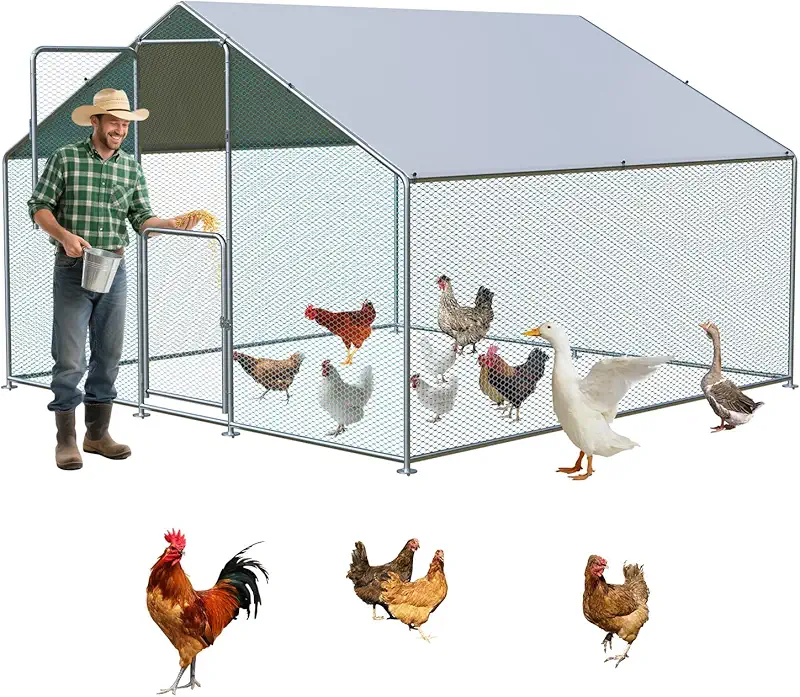
A tall, walk‑in all metal chicken coop makes chores easier on your back and gives hens room to stretch their wings.
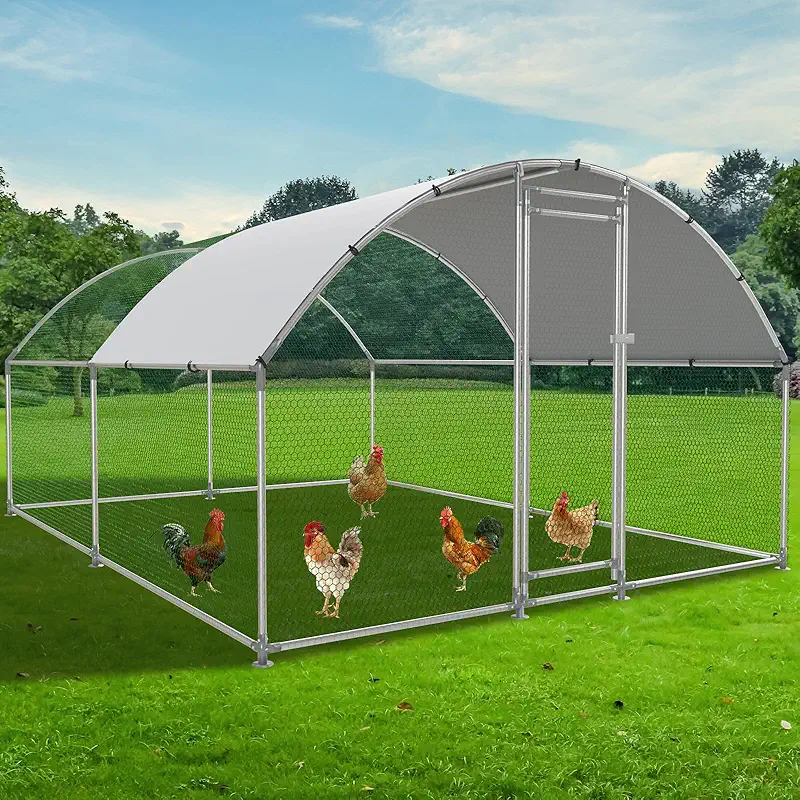
Runs with covered tops protect your flock from hawks and heavy snow while still letting in light and fresh air.
How to choose the right all metal chicken coop
Standing in front of a row of all metal chicken coop options can feel confusing at first. Everything looks shiny and strong. But the needs of five gentle hens are not the same as the needs of a big mixed flock, and your land and weather will ask for certain features. Here is how I guide neighbors when they ask for help.
Think in chickens, not in square feet only
A common rule of thumb is 3–4 square feet of indoor coop space per bird and 8–10 square feet of run space per bird. With metal runs, I like to give even more when I can. More space means less pecking, calmer hens, and cleaner bedding. A tight coop might look cozy, but crowded birds are stressed birds.
For example, if you want six hens, I would suggest:
- At least 18–24 square feet inside the sleeping area.
- At least 60 square feet in the outside metal run.
- Plenty of linear roosting bar space so every hen can sit without being pushed.
When I planned my first all metal chicken coop, I added two extra “imaginary hens” to my count. That gave me enough room later when I could not resist bringing home a pair of friendly rescues.
Check the frame and mesh quality
Not all metal is equal. Some all metal chicken coop frames are thick and heavy; others feel light and hollow. I always look for:
- Sturdy galvanized steel tubes, preferably with a decent wall thickness.
- Welded joints or strong connectors that do not wobble when you shake them.
- Mesh that is tight enough to keep paws and beaks out, usually hardware cloth or a strong wire grid.
If I can see a big dog bending the mesh in my mind, I walk away. If I imagine my smallest pullet squeezing her head through a hole, I also say no. The right all metal chicken coop feels steady even before the first hen steps inside.
Consider roof type and weather
I live where we get both strong sun and heavy snow. That means my all metal chicken coop needs a roof that can handle weight in winter but still give shade in July. When you choose, think about:
- Snow load: arched or sloped roofs shed snow better.
- Rain: covered areas keep feeders and dust bathing spots dry.
- Sun: shade cloth or solid roof panels help on hot afternoons.
My favorite setup is a metal run with a solid roof over one third of the space. That dry corner becomes a year‑round dust bath and a dry feeding area. The rest of the run can stay open to catch light and breezes.
Doors, latches, and daily use
It is easy to focus on strength and forget about daily comfort. But you will open and close the coop every single day, in the dark, in the rain, with your hands full. Small details make a big difference:
- Door height that lets you enter without crawling.
- Latches that you can use with gloves on, but that raccoons cannot open.
- Panels you can remove or open wide for deep cleaning.
I still remember the first frosty morning when I did not have to duck under a low board to reach the feeders. My back thanked me, and the hens enjoyed a keeper who was not muttering under his breath.
Examples of all metal chicken coop styles
Over the years I have seen many shapes and sizes of all metal chicken coop. Some are simple and light, perfect for a small backyard. Others look like miniature barns with tall roofs and side doors. Here are a few common styles and how they fit different flocks and families.
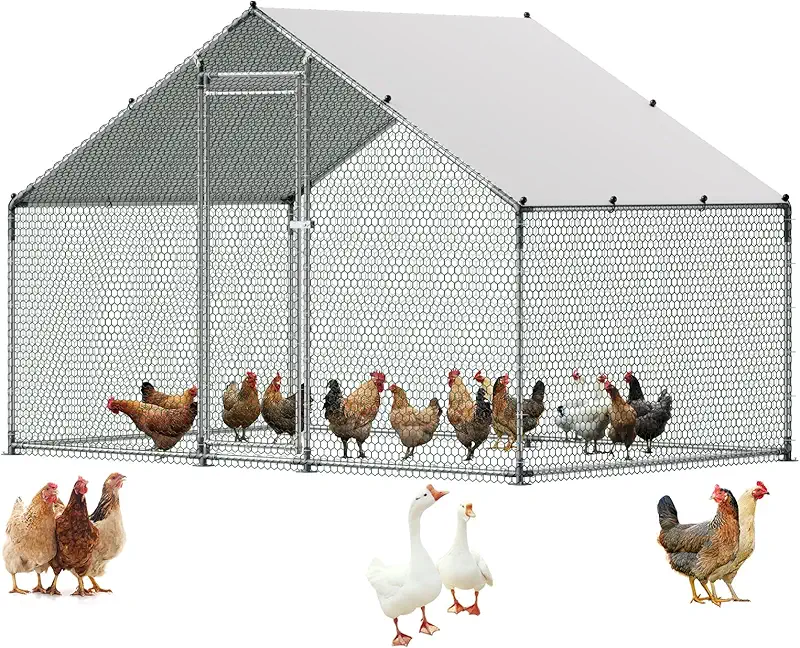
- Enough height for you to stand inside.
- Easy to add roosts and nesting boxes.
- Good choice for small families and tight yards.
I like this kind of coop for people who want to step inside, greet each hen by name, and tidy things up without crouching.
This could suit us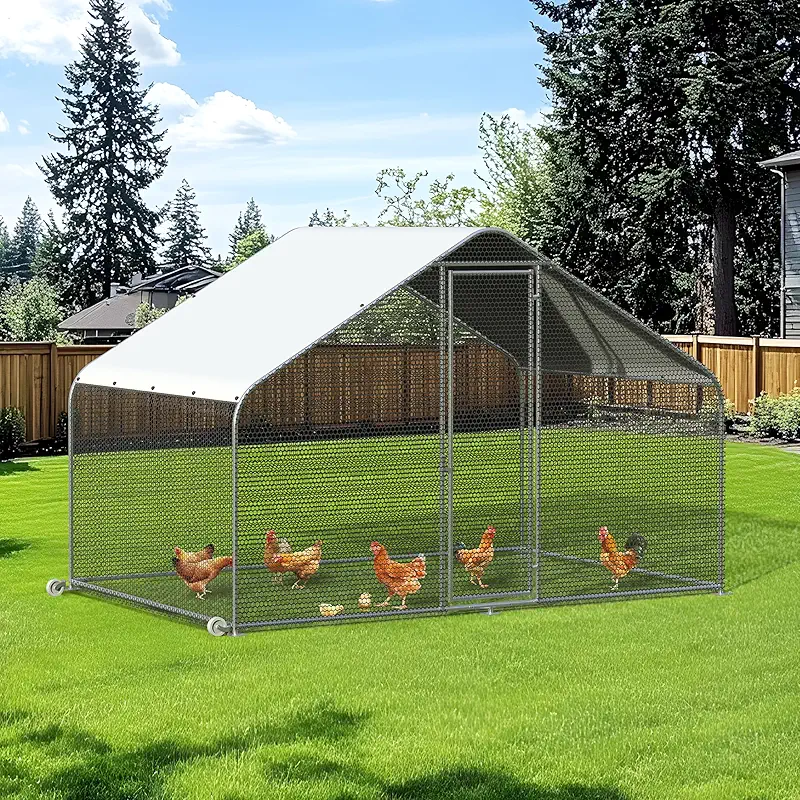
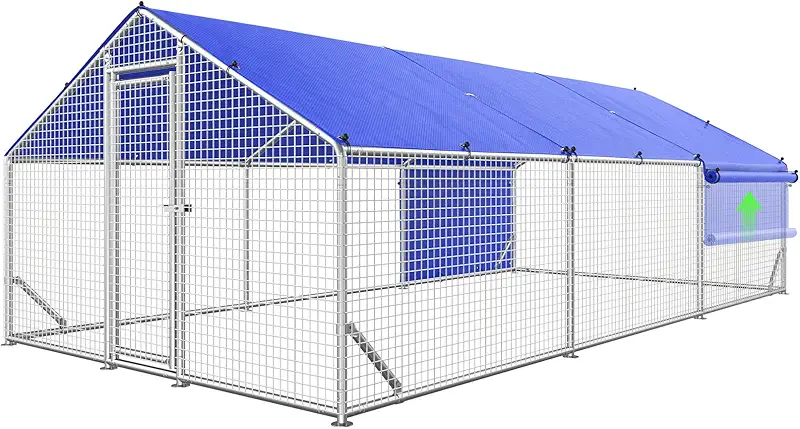
- Long, fenced run with strong mesh.
- Works well with a separate wooden or metal hen house.
- Perfect for active breeds that love to roam.
This is close to what I use now: a big metal run attached to a snug sleeping house. It keeps everyone busy scratching but safely contained.
Looks like my flock
- Solid roof panels over most of the run.
- Helps in heavy snow and strong sun areas.
- Keeps bedding and feeders drier and cleaner.
Friends in snowy regions love this style. It becomes a quiet, bright barn for the birds when the world turns white outside.
Maybe this is itMaking an all metal chicken coop feel warm and cozy
People sometimes look at my all metal chicken coop and say, “It looks strong, but is it not cold?” I understand that feeling. Bare metal can seem harsh. The secret is simple: let metal be the skeleton, and then dress it gently with wood, straw, and familiar smells. The hens care more about drafts and space than the material of the frame.
Perches, nesting boxes, and soft bedding turn a strong all metal chicken coop into a calm home for your hens.
Comfortable roosts and nesting boxes
Chickens like wood under their feet when they sleep. I add strong wooden roost bars inside the all metal chicken coop, about the width of a large broom handle or a bit wider. Flat enough so they can rest their toes, and high enough that they feel safe.
For nesting boxes, I either hang wooden boxes from the frame or slide plastic boxes against the wall. Then I fill them with soft straw or shavings and a few clean fake eggs when training new layers. A happy hen will wiggle down, murmur to herself, and leave you a warm gift just where you can reach it without bending too far.
Bedding, dust baths, and simple enrichment
On the ground of the run, I like a mix of straw, dried leaves, and sometimes a bag of wood chips. In my all metal chicken coop, this loose layer keeps mud down and gives the birds something to scratch through. Every few weeks I rake it up, remove the worst parts, and add a fresh top layer.
Dust baths are their own kind of joy. I keep a big low bin filled with dry soil, sand, and a little wood ash under the covered part of the run. Even in winter, my hens can flop on their sides, kick dust into their feathers, and clean themselves the way they were born to.
Ventilation and shade
Good air is the best gift you can give your flock, right after safety. An all metal chicken coop often has more open mesh than a wooden shed, which helps. But I still watch for two things:
- Drafts at roost height in winter, which can chill sleeping birds.
- Too much direct sun in summer, which can overheat the whole run.
I fix drafts with windbreaks: tarp along the bottom of the run in winter, or extra panels where the wind hits hardest. For sun, I stretch shade cloth or set up big plant pots and simple wooden screens so the birds always have a cooler corner. My rule is that at noon there should be both sun and clear shade inside the all metal chicken coop run.
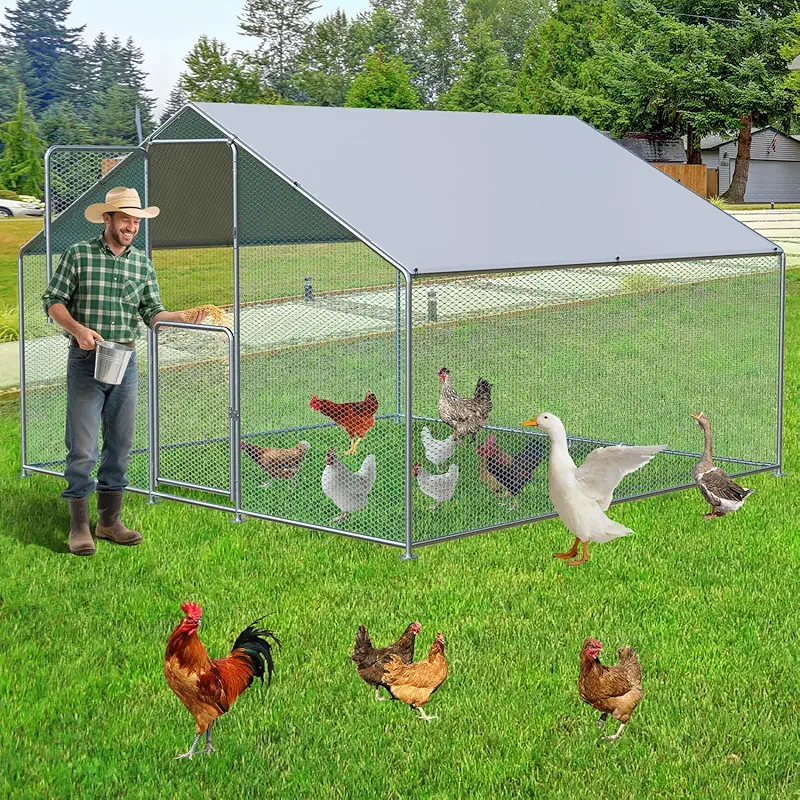
Shade, shelter from wind, and dry ground make a metal run feel gentle and inviting, even in rough weather.
Daily care tips for an all metal chicken coop
Over time, my daily rhythm with the flock has become simple and steady. The all metal chicken coop makes it easier to keep that rhythm without missing steps, and the hens seem to feel that calm. Here is the routine that has served me and my birds well.
Morning rhythm
I start by opening the coop door and greeting everyone by name. I check combs and eyes as they step past me. Then I:
- Shake out the feeders, refill with fresh feed, and empty any wet scraps.
- Rinse and refill waterers, especially in hot weather.
- Take a quick look at the frame and mesh for any new dents or scratches.
Metal makes it easy to spot changes. A new mark on the frame or a bent piece of mesh stands out at once, so I can fix small issues before they become big ones.
Evening check
At dusk, I close the door once everyone has settled on the roosts. I count heads. Then I:
- Remove any eggs left in the nests.
- Scrape the droppings board under the roosts if needed.
- Listen for coughing, sneezing, or odd heavy breathing in the quiet.
The metal walls of the all metal chicken coop echo small sounds, so I can hear small issues early. More than once, a soft rattle in a hen’s breath led me to treat her a day earlier than I might have in a drafty wooden shed.
Weekly and seasonal tasks
Once a week, I do a deeper tidy. Once a season, I take an afternoon just for the coop. My list is simple:
- Wash or wipe metal panels with a mild, bird‑safe cleaner.
- Check bolts, screws, and tie points on the frame.
- Look for rust spots and cover them if needed.
- Adjust shade cloth, windbreaks, and ventilation for the new season.
The beauty of an all metal chicken coop is that these jobs are straightforward. No boards to replace after every wet winter, no deep cracks to dig old droppings and mites out of. Just smooth surfaces that clean up with a brush and a hose.
FAQ about all metal chicken coop setups
They can be, if they are built without thought for shade and air flow. Metal holds heat, but mesh sides, shade cloth, and a solid roof over part of the run help a lot. In my hot spells, I make sure there is always deep shade in at least one third of the run and plenty of fresh water. With that, my hens stay comfortable even when the sun is fierce. I also open every vent and window in the sleeping area so heat can escape at night.
Chickens care about three things when they sleep: safety, dryness, and a good roost. The material of the walls is less important to them than it is to us. In my all metal chicken coop, I give them wooden roosts, soft bedding, and a dark, quiet corner. Once the routine is set, they walk in at dusk without a second thought. What matters is that they feel nothing can reach them and that there are no cold drafts on their feathers.
Dampness comes from poor ventilation and too much moisture from droppings and breath. With an all metal chicken coop, I pay close attention to vents up high, where warm, moist air can escape without chilling the birds. I also keep bedding dry and generous, clean droppings regularly, and avoid closing every little gap in winter. The goal is gentle air movement, not a sealed box. When I do it right, the walls stay dry in the morning and the air smells fresh, not sour.
Metal itself does not warm the birds, but it also does not have to make them cold. I think of the metal frame as the shell, and I build a warm nest inside it with bedding, windbreaks, and careful ventilation. In my cold snaps, I block drafts at ground level, pack the floor with deep litter, and make sure there is plenty of dry roost space. Healthy chickens handle cold better than damp. I have seen more problems from wet wooden corners than from well‑managed metal walls.
That depends on the exact size, but I always tell people to keep numbers gentle. If a kit claims to fit twelve birds, I picture eight or nine at most, especially for heavier breeds. Overcrowding leads to pecking, stress, and illness. When I started, I thought more birds meant more eggs. In truth, a smaller, relaxed flock in a roomy all metal chicken coop gives more steady eggs and far fewer troubles over time.