
Best Large Metal Chicken Coop
I have lived with hens for many years now. They are not just “poultry” to me. They are little friends with warm bodies, bright eyes, and strong wills. A safe coop is the quiet promise I make to them every evening.
On this page I will walk you through how to choose the best large metal chicken coop, the things I look for as a careful, slightly overprotective keeper, and how a good metal run changed my nights from worry to real sleep.
Let me see options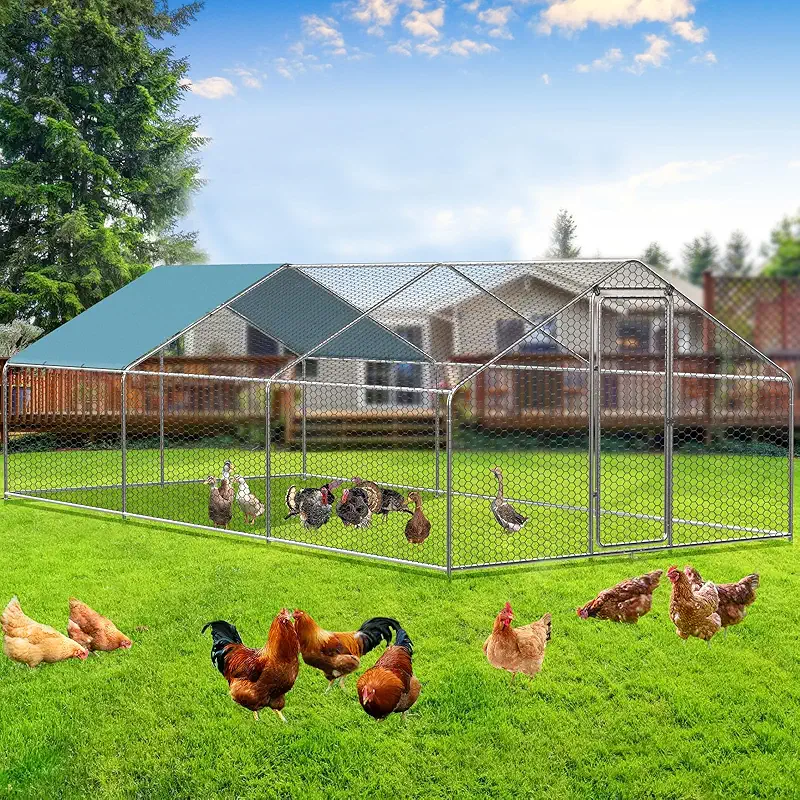
Why I Moved From Wood To A Metal Chicken Coop
When I started with chickens, I built a cute little wooden coop out of recycled boards. I was proud of it. It smelled of pine, and the hens seemed happy. But after a couple of seasons, the truth showed up in small ways. Damp corners. Soft spots in the floor. A rat hole that appeared almost overnight. I still remember the hollow feeling in my stomach when I saw that hole.
I patched, I painted, I added wire. Still, our winters are wet, and our summers are hot. The wood just could not keep up. Red mites loved the cracks. I spent more time chasing problems than enjoying my birds.
A neighbor who kept meat birds in a metal run told me something that stayed with me: “Wood is for charm, metal is for sleep.” He meant sleep for me, not the birds. That was the moment I started looking seriously for the best large metal chicken coop I could afford.
The Quiet Strength Of A Metal Frame
What surprised me about a well‑built metal coop was not just the strength, but the quietness of mind it brought. Metal does not swell, crack, or rot like wood. When a fox leans on it or a dog jumps against it, the frame stays firm instead of flexing and splintering.
With a large metal frame around my flock, I stopped doing midnight torch checks every time I heard a bump outside. The coop became a clear, solid border between my hens and everything that stalks in the dark.
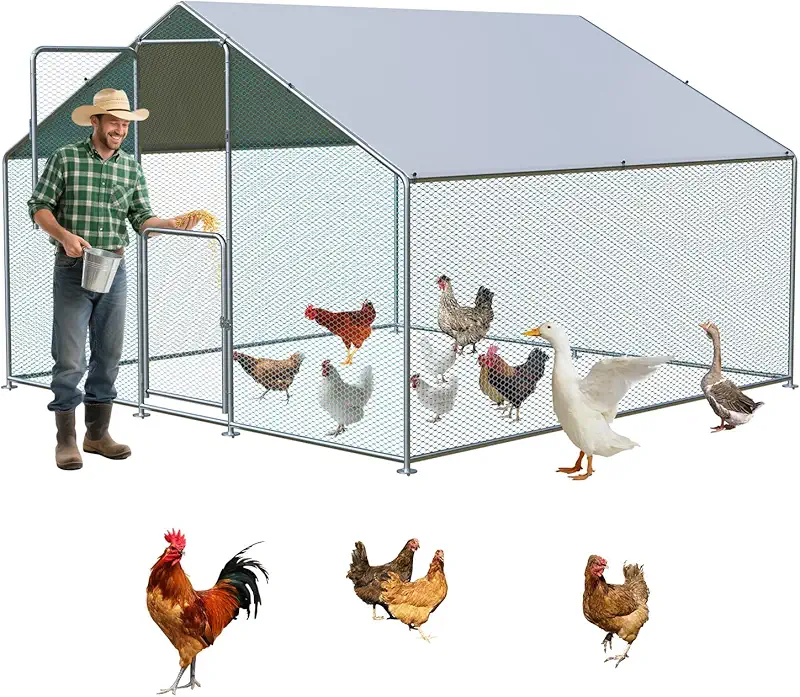
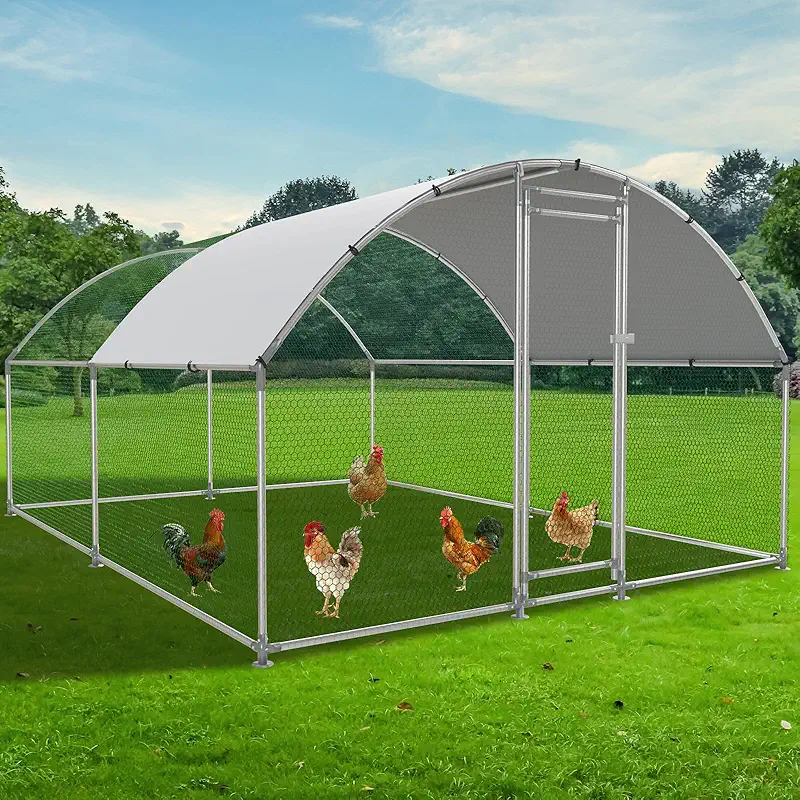
Of course, not every metal coop is equal. Thin pipes, weak joints, or loose mesh can be as bad as a rotten plank. This is why taking time to choose the right design matters. I will share the points I personally check before I trust any structure with my flock.
How To Choose The Best Large Metal Chicken Coop
When I look at a metal coop, I do not start with the catalog picture. I picture my oldest hen, Daisy, moving slowly on a rainy day. I picture the pushy rooster I once had, who believed every boundary was negotiable. I picture the fox that walks our fence line at dawn. Then I ask one simple question: will this coop keep them all safe and calm?
1. Space Per Hen
My rule of thumb for a large run is simple: more is better, but never less than 10 square feet per bird in the outdoor area if they are confined most of the day.
- Count your birds honestly, including the ones you plan to add.
- Add at least 20–30% extra space for future flocks.
- Remember that big breeds like Orpingtons need more room to move.
2. Frame Strength
I gently shake the frame. A good large metal coop should feel like a single piece, not a rattle of pipes. Look for:
- Thick galvanized steel tubes, not flimsy aluminum.
- Strong connectors that wrap around the pipe.
- No wobble when you lean your weight on it.
3. Mesh And Openings
Most predators slip through gaps long before they break metal. I run my fingers along every side and ask, “Could a rat, weasel, or even a small snake find a way in?”
- Prefer smaller mesh over wide poultry netting.
- Check around doors and corners for weak spots.
- Look for mesh that is firmly attached, not loosely tied.
Weather, Shade And Roof Cover
Metal is strong, but it can get hot under summer sun and cold in winter winds. My first metal run had no decent shade, and I will never forget seeing my hens panting with open beaks during a heat wave. I added tarps in a rush, but I learned my lesson.
Now I look for a large metal chicken coop that either includes a roof cover or makes it easy to add one. A good cover turns a bare cage into a sheltered yard. It softens rain, blocks harsh sun, and gives your flock a sense of security from overhead hawks.
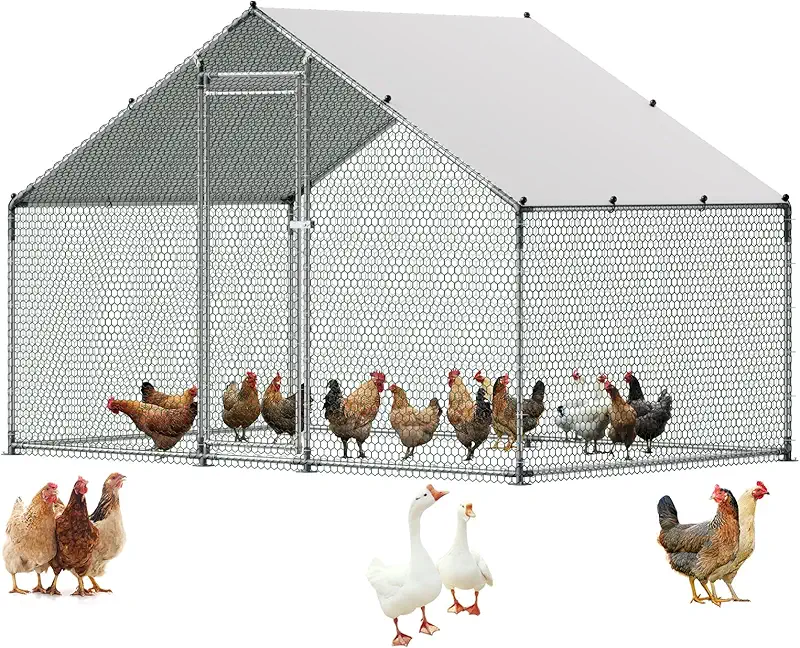
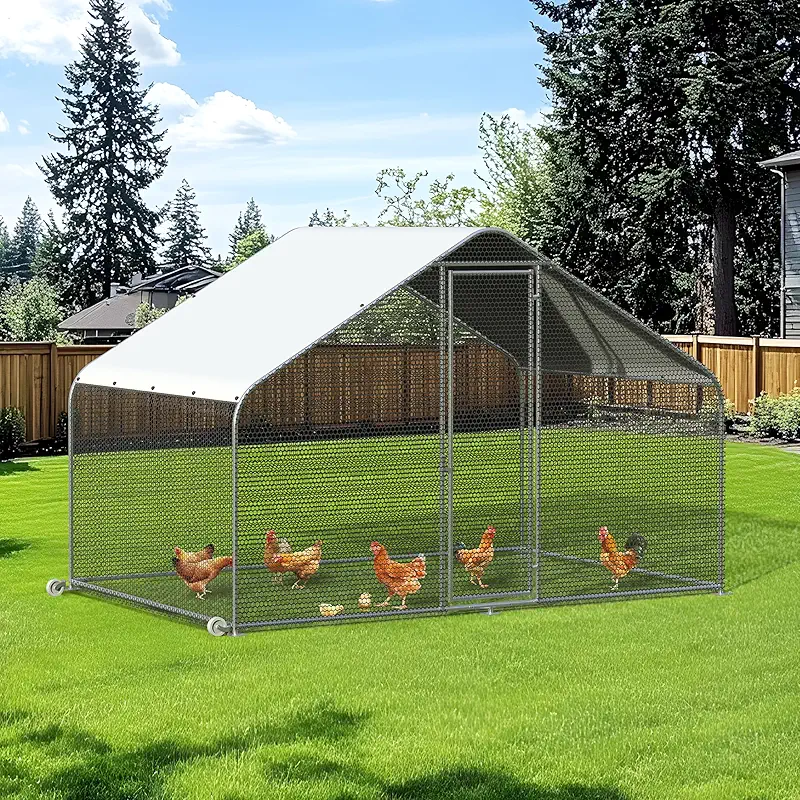
Think of the coop roof as a gentle hand over your flock. It does not need to make the run dark, but it should give them places where they can dust bathe in dry soil even after rain and sit peacefully out of the wind.
A Practical Large Metal Coop Style I Trust
There are many shapes and sizes, but there is a certain style of large metal chicken coop that has served me especially well: an enclosed metal run with a strong pipe frame, tight mesh, and a durable roof cover, big enough for my mixed flock to stretch their wings without feeling crowded.

This type of coop is not fancy, but it is honest. It gives my birds what they need each day: air, light, and space to move, wrapped in a sturdy metal shell. Inside this shell I can place roosts, boxes, and toys in any layout that fits my birds and my habits.
- Plenty of room: Long and tall enough that I can walk inside without bending too much and carry a feed sack with me.
- Secure mesh: Small enough to keep out the many sneaky visitors that live on a farm, from rats to weasels.
- Roof cover: A simple but tough cover that breaks the sun, softens rain, and makes my hens feel tucked in.
Why This Style Works For A Mixed Flock
In my yard you will find a mix of calm older hens and curious, bossy youngsters. When the space is tight, the young ones bully the slower birds. With a large metal coop like this, there are corners to slip into and open space to walk away from squabbles. The pecking order softens when there is room.
I like to hang a few feeders and waterers at different points along the frame. This way, a shy hen can eat in peace while the bolder ones stay near the main feeder. The long shape of a large metal run makes this easy to arrange.
When I stepped inside this style of coop the first time, I felt a calm I had not felt in my old wooden shed. The ground under my boots was dry, the roof held, and the mesh did not give when I pushed it. That quiet strength is what I now look for whenever I search for the best large metal chicken coop.
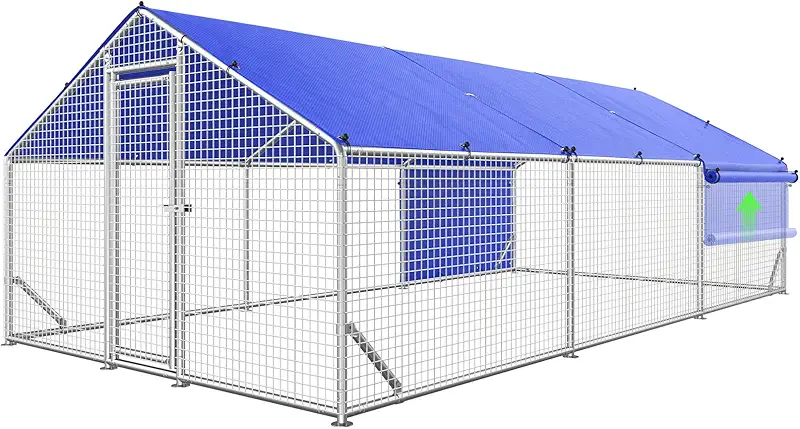
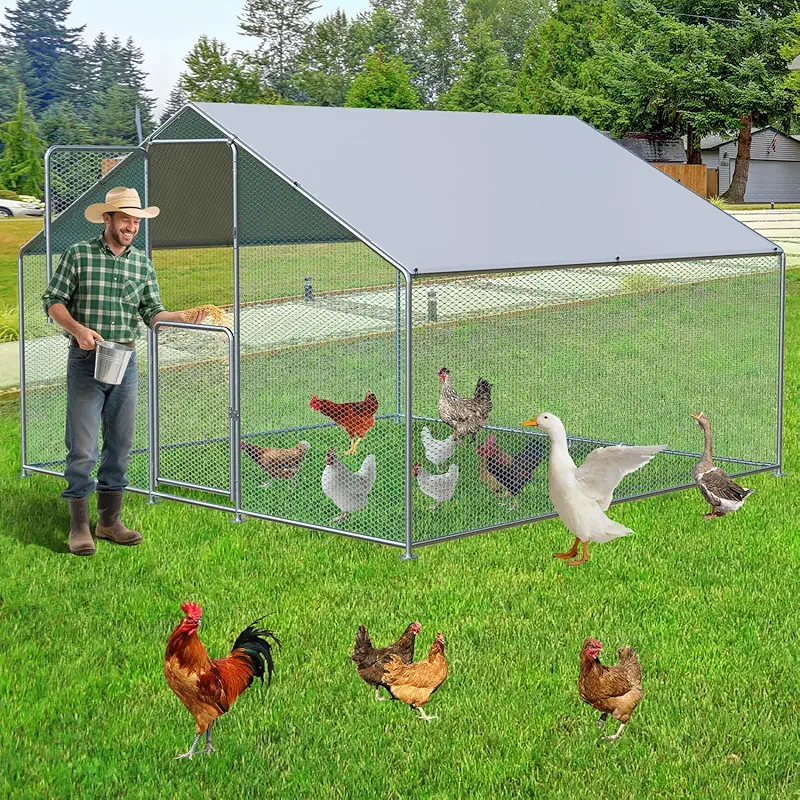
If you feel that this kind of strong, simple enclosure might be right for your birds too, you can look through options in this style and see which size and layout would fit your yard and your flock.
I’ll quietly compareSetting Up Your Large Metal Coop: My Own Routine
When a new coop arrives at my place, I treat the assembly day almost like welcoming new animals. I set aside real time, I make tea, and I plan for quiet work. The coop will be the skeleton of my flock’s life for years, so I like to build it slowly and carefully.
Choosing The Right Spot
I walk my yard and listen more than I look. Where does the wind usually come from? Where does the sun sit at noon in July? Where does water stand after heavy rain? Those answers matter more than a perfect straight line with the house.
- High and dry: Choose slightly raised ground so water does not pool under the coop.
- Morning light, afternoon shade: East-facing sun to dry the run in the morning, shade later to keep birds cool.
- A little distance from bedrooms: Roosters greet the dawn with more joy than your family might like.
Anchoring The Frame
Even a strong metal coop can be lifted or shifted by wind or a determined predator if it is not anchored. I learned this the hard way when a violent storm rolled across our hill and lifted one side of a light run. No birds were hurt, but it scared me badly.
Now I always:
- Use ground anchors or heavy stakes at all four corners and along long sides.
- Check that each connection is tight before I move on to the mesh.
- Walk around and push hard against each panel to feel for any give.
Creating A Gentle Interior
Once the metal shell stands steady, I turn my mind to comfort. Chickens do not care about matching colors, but they feel every draft and every sharp edge. I run my hands along the mesh, the door frame, and any cut metal to make sure there is nothing that could scrape a wing or leg.
Inside, I like to:
- Place roosts higher than the nest boxes so hens do not sleep in the nests.
- Keep feed and water slightly raised to avoid spilled litter and mud.
- Add a low, sheltered corner with dry soil for dust bathing.
When everything is in place, I sit inside with the hens for a while on the first day. They explore, they complain a bit about the change, and then they settle. When I see them stretching, preening, and lying on their sides in the dust, I know the coop is doing its job.
Daily Life Inside A Large Metal Chicken Coop
A good coop does not just survive storms and predators. It also shapes your everyday rhythm with your birds. With a large, easy‑to‑clean metal run, my daily chores have become simpler, calmer, and honestly more joyful.
Morning Checks
Each morning, I bring a bucket of feed, a jug of clean water, and a clear head. The metal door swings smoothly, and the ground inside is usually dry. I walk the same small loop:
- Lift feeders, tap them to make sure feed is flowing well.
- Change water, rinse the container if it looks slimy.
- Glance at the mesh and the base for any new scratch marks or holes.
Because the structure itself is simple and solid, these checks take only minutes. The rest of the time is for watching the girls gossip and fuss at each other, which is the real joy.
Cleaning And Air Quality
One of the quiet blessings of a large metal coop is how easy it is to keep the air sweet. There are no hidden wooden corners for damp bedding to rot in. I use a deep litter system in part of the run and spot clean daily. Once a week, I rake out the worst spots, toss in fresh dry material, and let the good microbes do their slow work.
From time to time, I take a hose to the metal frame and wash down dust and cobwebs. Metal dries quickly, and there is no fear of water soaking into beams and inviting rot or mites.
Watching Your Flock’s Mood
A coop can be strong and still not feel right to the birds. I keep an eye on their mood: if they pace along the mesh, argue more, or pick at each other’s feathers, they might be telling me they need more distractions or more room.
In a big metal run, it is simple to hang a cabbage, add a branch as a new perch, or section off a small area for a broody hen who needs peace. The flexible interior is one of the reasons I now prefer this style when I think of the best large metal chicken coop for a real, changing flock.
I want ideas like thisFAQ About Choosing The Best Large Metal Chicken Coop
1. How many chickens can a large metal coop hold comfortably?
It depends on the exact size, but I never go below about 10 square feet of run space per bird if they stay inside most of the day. So, a 10x20 foot metal run (200 square feet) is comfortable for around 15 to 18 hens in my view. If your birds are heavy breeds or you have roosters, give them even more room. Extra space makes life easier for everyone, including you.
2. Is a metal chicken coop too hot in summer or too cold in winter?
Metal itself can heat up in strong sun, but that is where a good roof cover and smart placement help. If you place the coop where it gets morning sun and afternoon shade, and you use a solid but light-colored cover, the inside stays quite comfortable. In winter, the main issue is wind, not cold metal. With proper bedding and sheltered spots inside the run, my hens handle winter better in a dry, draft‑free metal coop than they did in a damp wooden shed.
3. Are large metal chicken coops safe from predators?
A well‑built metal coop with tight mesh, strong doors, and firm anchors is one of the safest options I have found. It stops dogs, foxes, and hawks very well. For small pests like rats and snakes, you still need to pay attention to mesh size and any gaps at ground level. I always add extra wire skirt or bury mesh around the base to discourage digging. No system is perfect, but a strong metal frame gives you a very solid starting point.
4. How hard is it to build a large metal chicken coop?
Most large metal coops arrive as kits with labeled parts. If you can put together basic shelves, you can usually assemble a metal coop. I like to take my time and invite a friend or family member to help, because a second pair of hands makes aligning the pipes and mesh much easier. Plan for a half day to a full day depending on size, and do not rush. That careful first build will pay you back for years.
5. Why choose a metal coop instead of building my own wooden one?
A handmade wooden coop can be beautiful and full of personality, and I still love old barn wood. But wood takes more care, and in damp or very hot climates it simply wears out faster. Metal coops are quicker to assemble, easier to clean, and more resistant to chewing and scratching. For me, the best large metal chicken coop is like a quiet, patient guardian. It just stands there year after year, doing its job without much fuss, letting me put my energy into the hens themselves.