
Best metal chicken coop
Best metal chicken coop
When people ask me how I keep my hens safe and calm through hot summers, muddy springs, and long winters, I always end up talking about one thing: finding the best metal chicken coop for their little personalities and for our land. Over the years I have tried wooden sheds, light wire runs, and finally strong metal coops that can take real weather and real predators.
On this page I want to share what has worked for my flock and my heart, in simple words. I am not here to chase trends. I just want your birds to live long, peaceful lives behind strong walls and under a dry roof.
Why a metal chicken coop changed life for my flock
I still remember the night a storm rolled over our old wooden coop. The wind shook the walls, rain came in through tiny cracks, and the hens huddled together, restless and wet. The next morning their feathers were damp and their clucks sounded tired. That was the week I started looking for the best metal chicken coop I could manage, something that would not shiver every time the sky growled.
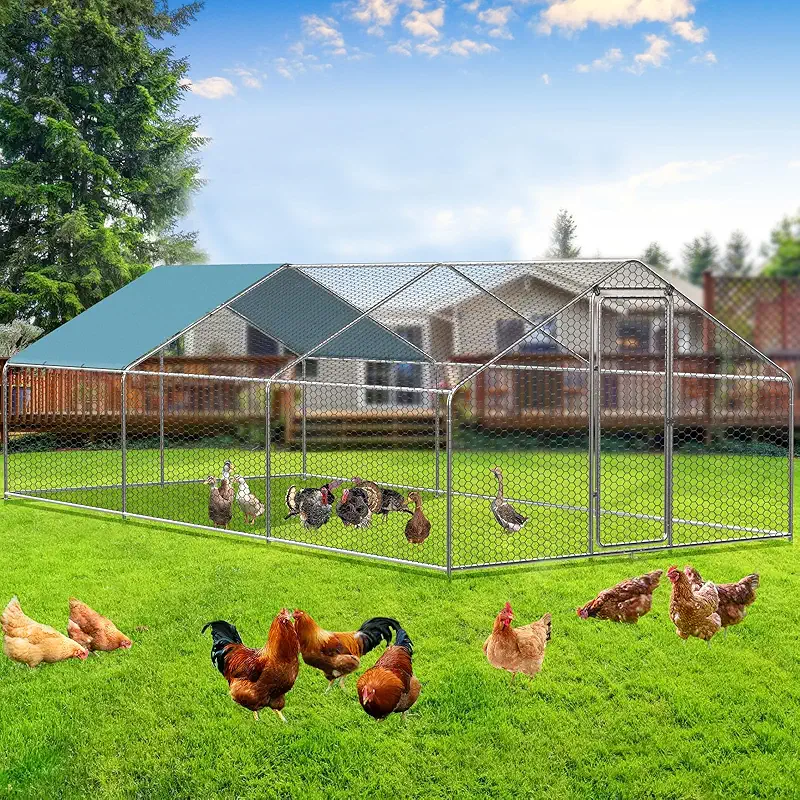
A good metal coop feels like a solid barn in a smaller body. The bars do not bend when a dog jumps. The roof does not sag after one snowy week. And when the sun hits, the frame stands steady and does not twist. The hens feel that. They may not speak our language, but they trust walls that do not move.
For me, the best metal chicken coop is not just about metal thickness or fancy doors. It is about how quiet the birds are at night, how eager they are to step out in the morning, and how calm I feel when I hear coyotes yipping in the distance. That peace of mind is worth more than any paint color or clever latch.
Key things I look for in the best metal chicken coop
Every yard is different, and every flock has its own little drama. Some groups are calm and slow, others are adventurous and always testing the fence. When I search for a new coop, I start with a short checklist in my notebook. It keeps me from getting distracted by pretty shapes or cute names.
- Safe wire spacing: small enough that raccoon paws and curious dogs cannot reach through.
- Solid roof: real protection from rain, snow, falling branches, and hot sun.
- Height you can use: tall enough for you to enter or at least reach every corner.
- Easy doors: doors that open smoothly with one hand while you hold a feeder in the other.
- Sturdy frame: thick metal tubes that do not bend when you lean on them.
- Rust resistance: galvanized metal or good coating to handle years of rain and damp bedding.
- Secure latches: simple, strong latches that clever raccoons cannot flip open easily.
- Room to run: enough floor space for every hen to stretch, scratch, and dust bathe.
- Shade and airflow: places to hide from sun but still breathe fresh air.
- Flexible layout: space to add roosts, nest boxes, and windbreaks the way you like.
When these basics are right, almost any decent metal coop can become the best metal chicken coop for your yard. The rest is about small adjustments, patience, and learning how your birds like to use their space.
How I actually use metal coops through the seasons
On paper, many coops look almost the same. Long rectangles, arched tops, silver or dark green covers. But out in the yard, under wind and mud, their differences show. Let me walk you through how my metal coops behave through the year, and what details truly matter when you live with them every day.
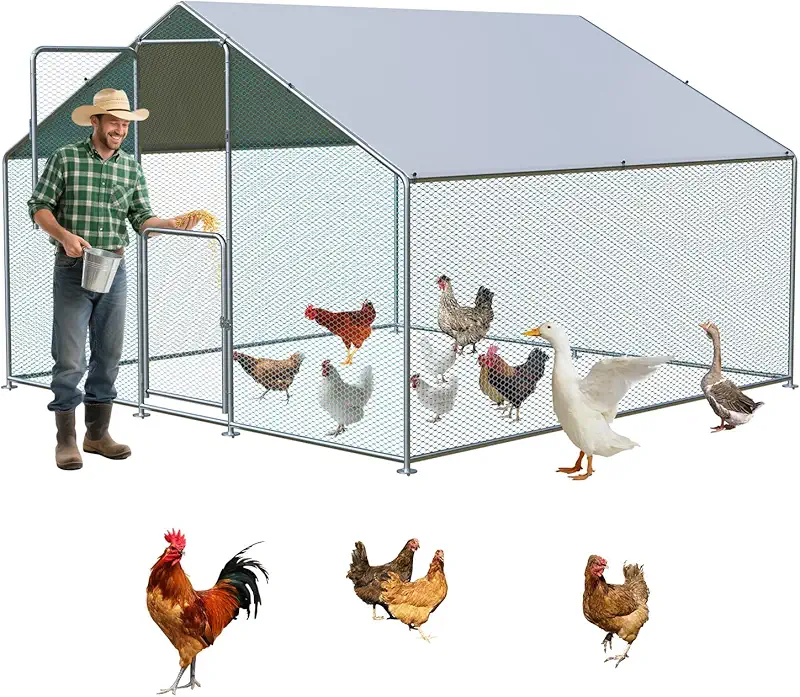
Spring: mud, drafts, and sharp beaks
Spring is when I am most grateful for strong metal runs. The ground turns soft and messy, and wooden posts want to sink and warp. A well-built metal frame stays straight even as the dirt moves, so doors still shut cleanly. I add extra straw or wood chips and run some boards along the windy side to keep the chill off.
In spring the flock is restless. Young pullets test every corner. They peck at wires and jump at the roof. This is when cheap, thin mesh starts to lean or sag. A better metal coop with thicker wire keeps its shape, and the birds soon learn their limits and settle down.
Summer: shade, breeze, and heat
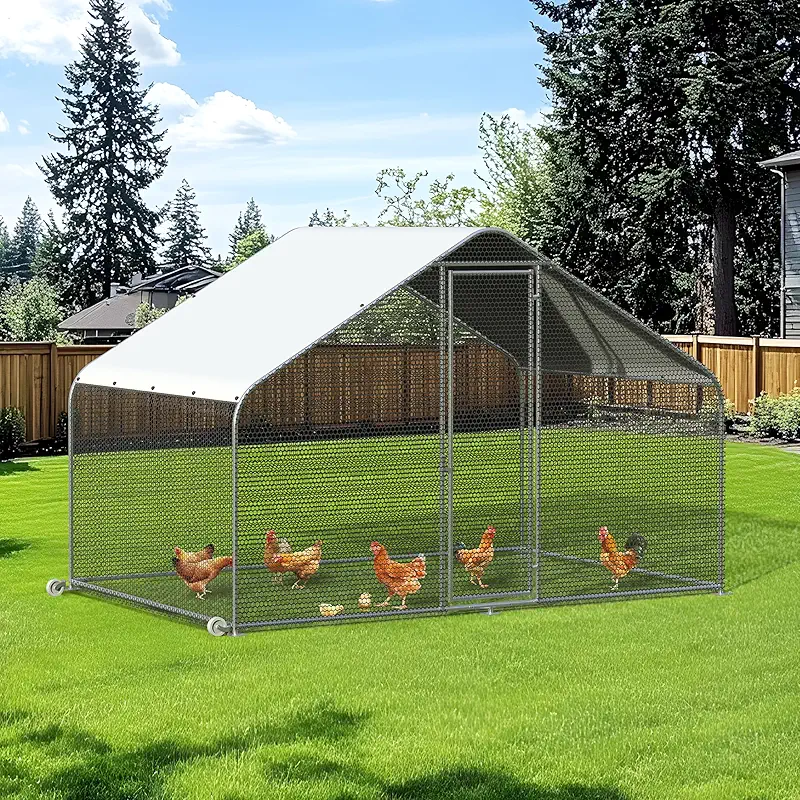
In summer, metal can get hot, and this scares some people away. The trick is not to avoid metal, but to pair it with good covers and smart shade. A high roof with a reflective tarp, and sides partly open to the breeze, give my hens a cool, dry place to escape the sun.
I also like to tuck the coop so it gets morning sun and afternoon shade from a tree or small shed. The best metal chicken coop is not just strong; it is placed kindly, where air can move and dust does not bake. On the hottest days I hang frozen water bottles inside to chill the air a little more, and the hens gather near them as if around a tiny summer cloud.
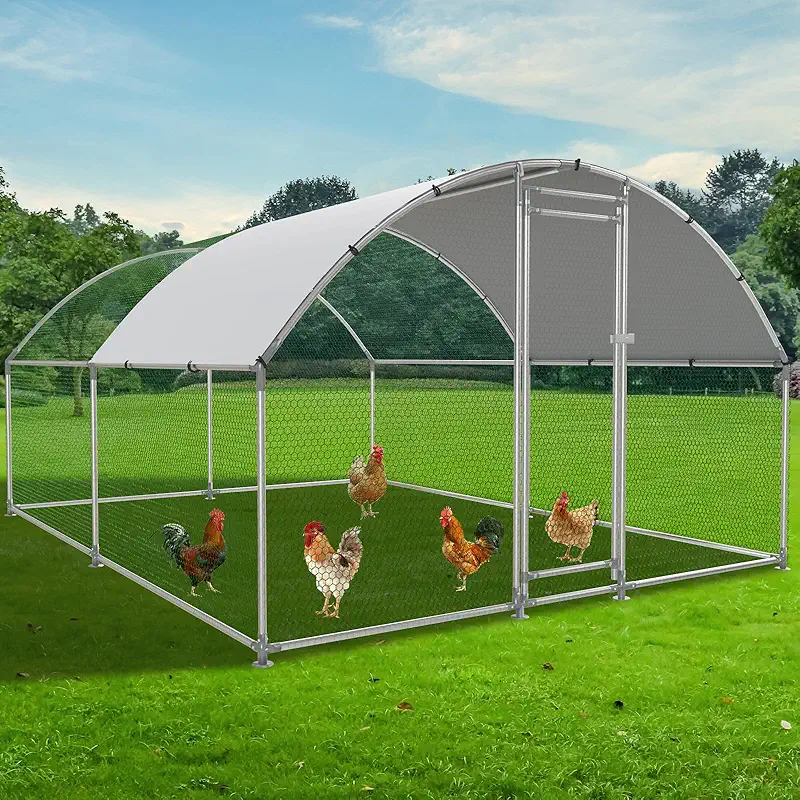
Autumn and winter: wind, snow, and long nights
As the year cools, I slowly close the coop, but never all the way. Chickens can handle cold better than damp, still air. I cover the windiest wall with solid panels or heavy plastic, leaving a high gap for fresh air. A proper metal frame handles these layers easily without bending.
In snow, I watch the roof closely. A flat or weak top collects heavy snow. That is why I prefer rounded or peaked roofs on metal coops. The snow slides off, and I do not wake up at night worrying that my birds are under a creaking roof. A simple broom sweep on heavy days keeps everything light.
Pros and cons of metal coops from a gentle keeper’s view
I love my metal coops, but I will not pretend they are perfect for everyone. Here is how I weigh the good and the not-so-good when friends ask me for honest advice.
What I deeply appreciate
- They stand firm against dogs, foxes, and rough weather.
- They are easier to clean; a hose and a stiff brush do most of the work.
- They do not rot, swell, or host termites like wood can.
- They are flexible; you can attach tarps, windbreaks, and extra runs.
- They are bright and airy, which keeps the birds lively and bedding drier.
What you should think about
- They need thoughtful shade so the metal does not overheat in summer.
- They are often more open, so you must “dress” them for winter.
- Cheap options may use thin mesh that bends too easily.
- Assembly can take time; it helps to have patient hands and a free afternoon.
- They may not blend into a garden as softly as a wooden shed.
When I balance all of this, I still come back to a simple feeling: I sleep better with my hens in a strong, locked metal coop, especially on wild nights when the wind and coyotes argue outside the fence.
Making a metal coop truly feel like home
Out of the box, even the best metal chicken coop can feel a bit bare, like an empty room in a new house. What turns it into a home is what you add with your own hands and your own care. Here are the small touches that changed my coops from “just pens” to quiet, happy homes.
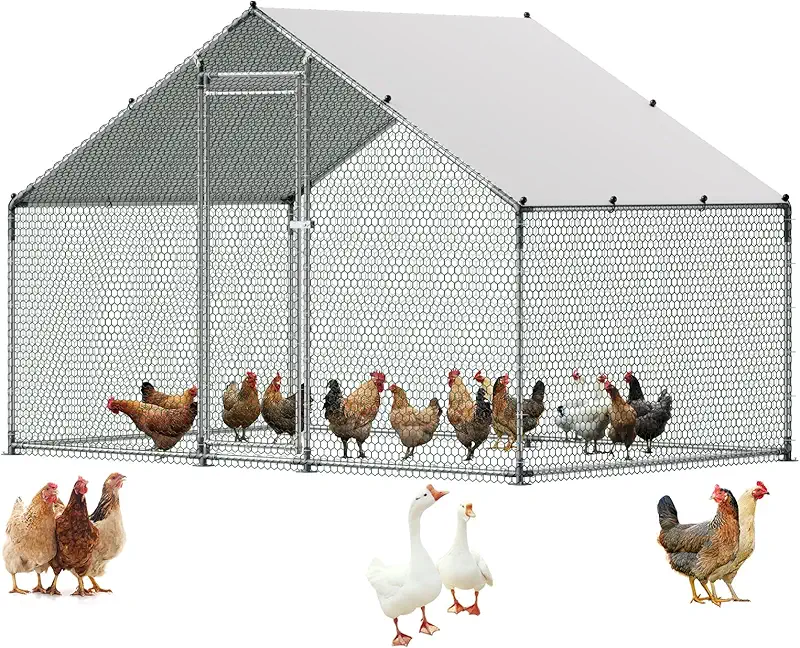
Gentle roosts and cozy nests
Metal bars are strong, but hens do not like to sleep on thin, cold edges. I add wooden roosts, about the width of my thumb or a bit more, so their feet can rest flat. I place them higher than the nest boxes so the hens do not sleep in the nests and soil the eggs.
For nest boxes I often use simple crates or wood boxes fixed inside the metal frame. I line them with soft straw or wood shavings and keep the front a bit darker. A hen laying her egg wants quiet shadows more than anything fancy. Once they feel safe, they return to the same boxes again and again.
Dry floors and dust baths
A strong metal coop with a wet floor is still a bad home. I like to start with a base of coarse sand or fine gravel under the run when I can, then cover it with straw or wood chips. This keeps feet dry and gives them something to scratch. In one corner I always keep a dust bath: a low box with dry soil, a little wood ash, and some sand. The hens sink into it like a child into warm blankets.
Quiet spaces and safe views
Chickens like to see out and feel in control, but they also need places to hide from loud noises, children running by, or strange animals. I hang simple cloth or attach wooden panels to one side of the coop to create “walls” inside the metal frame. A hen can tuck herself behind them and rest her mind as well as her body.
I watch how my flock uses the space, then slowly adjust: move a waterer, raise a roost, shift a feeder. Over a few weeks the traffic settles into smooth paths, and I know I am getting close to the best layout for that group. This is how a solid metal structure turns into a living, breathing little village.
How many chickens truly fit in a metal coop?
One of the most loving choices you can make is to ignore the bold numbers on a box and instead watch how your hens actually live. Many metal coop listings claim to hold 10, 15, or even more birds in a space I would barely use for six. Crowded birds peck more, get sick more easily, and sleep with tense shoulders and sharp eyes.
My quiet rule is simple: for a run that will hold them most of the day, I like at least 10 square feet per hen if possible. If they free‑range outside the coop for much of the day, you can bend that a bit, but I still avoid tight spaces. For the indoor sleeping area and roosts, I try to give each bird enough room to spread her wings without hitting her neighbor.
When I set up a new metal coop, I start with fewer birds than the “official” number. I watch them for a week. If I see calm walking, easy access to feeders, and gentle roosting at night, I know we are close to the right balance. If I see pushing, feather pulling, or birds left out at the edges, I step back and adjust long before a problem turns serious.
Predator safety with metal coops
I live where foxes, stray dogs, and raccoons know exactly what a chicken smells like. Metal coops give a good start, but I still add a few simple layers of safety to sleep well.

- Use hardware cloth near ground level. Even if the coop mesh is strong, I often add a skirt of tighter hardware cloth around the bottom 18–24 inches to stop reaching paws and biting through.
- Add a dig‑proof skirt. I lay mesh or old fencing flat on the ground around the coop and cover it with soil or stones. When something tries to dig, it hits that hidden barrier and usually gives up.
- Double‑check latches. Raccoons have quick fingers. I prefer carabiners or clips on doors and nest box lids instead of simple slide latches.
- Keep feed locked. Food left out brings hungry noses to the coop. I store feed in sealed bins a few steps away so predators do not learn to visit the fence line every night.
- Walk the fence often. A quiet weekly walk around the coop, looking for bent wires or loose ties, prevents small problems from becoming open doors.
With a metal frame and these habits, the best metal chicken coop is not just a place to sleep. It becomes a shield between your gentle birds and a wild, hungry world.
FAQ about choosing the best metal chicken coop
1. Are metal chicken coops too hot in summer?
They can be hot if they are bare and placed in full sun, but they do not have to be. I keep my metal coops comfortable with a light‑colored roof cover, shade from trees or a nearby building, and plenty of airflow along the sides. On the hottest days I add extra water stations and sometimes hang simple shade cloth on the sunniest wall. With these steps, my hens pant less in metal coops than they did in some dark wooden sheds.
2. How long does a good metal coop usually last?
A well‑built metal coop with galvanized tubing and decent mesh can last many years. My oldest one has been out in the weather for close to a decade now. I check for rust once or twice a year, especially where water sits, and touch up any rough spots. Because the frame does not warp like wood, doors still hang straight and panels fit well after many seasons.
3. Can I keep chickens in a metal coop through winter?
Yes, as long as you think about wind, damp, and drafts. I use tarps or wooden panels on the windiest sides, leave openings high for fresh air, and add deep, dry bedding on the floor. I do not try to make the coop warm like a house; I make it dry and free of sharp winds. Chickens grow thick feathers and share body heat. With a strong metal shell and cozy roosts, mine have done well even in freezing weather.
4. Is a metal coop better than a wooden coop?
“Better” depends on your land and your habits. For me, with damp springs and strong dogs nearby, a metal coop is kinder because it stays solid and is easier to clean. Wood can feel warmer and look softer in a garden, but it takes more care to keep rot, mites, and chewing pests away. If you want something sturdy with low daily fuss, a metal coop often feels like the gentler choice in the long run.
5. How do I know if a coop is big enough for my hens?
I start with numbers, then listen to the birds. For most backyard flocks that will spend their days inside the run, I like at least 10 square feet per hen in the outdoor part, and plenty of roost space so no one is pushed to the edges at night. After you move them in, watch for a few days. Calm walking, easy access to food and water, and relaxed roosting are good signs. Constant pushing, feather loss, or hens sleeping in awkward spots tell you they need more room.
Taking your next gentle step
If you have read this far, I can guess something about you: you care about your birds not just as egg machines, but as small, warm lives that trust you. That is what pushed me, years ago, to look beyond thin pens and tired sheds and search for the best metal chicken coop I could afford for my flock.
When you are ready to look more closely at real examples, you can explore different metal coop options, from small backyard runs to tall walk‑in frames, and imagine how your hens would move through them, where they would dust bathe, where they would sleep. Take your time. Picture their feet, their eyes, their quiet noises at dusk.
If you feel a soft pull in your chest that says, “My girls deserve walls like that,” listen to it. That voice, more than any list of features, will guide you toward the coop that truly fits your flock and your life.
Let me look closer