
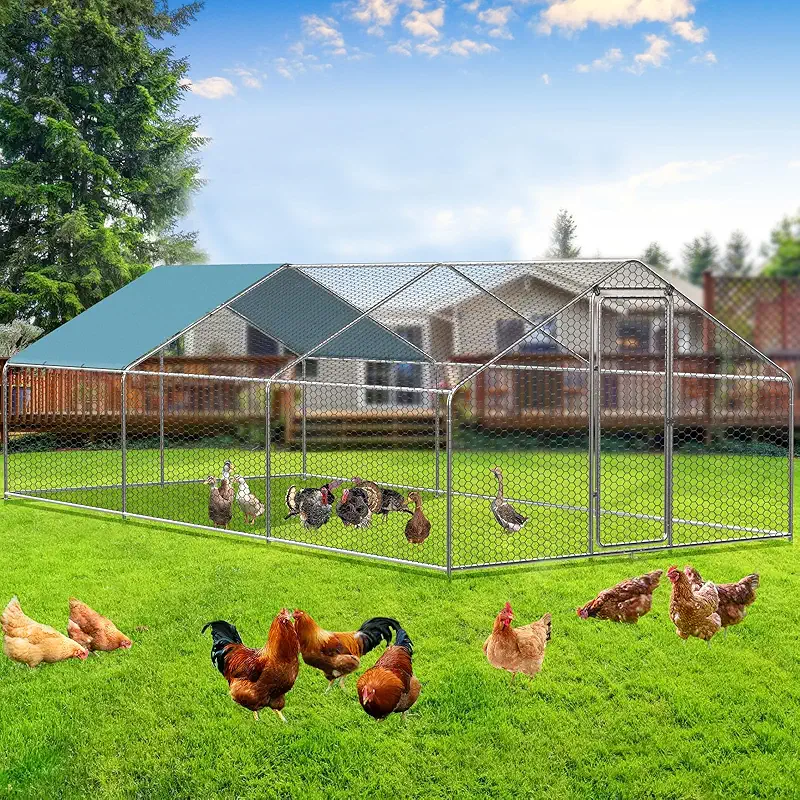
Why a big metal chicken coop changed my mornings
When I started with chickens, I built a small wooden coop out of scrap boards. It looked cute, but it was hard to clean and too tight for my curious hens. They argued, picked feathers, and paced along the fence line. I remember one winter morning, wading through mud, trying to patch a broken board in the dark. I promised my birds I would do better for them.
A few years later I moved them into a big metal chicken coop with a walk-in frame and wire run. The first thing I noticed was silence. Not stressed silence, but that soft rustle and gentle clucking you hear when hens feel safe. They finally had room to stretch their wings, dust-bathe and keep out of each other’s way.
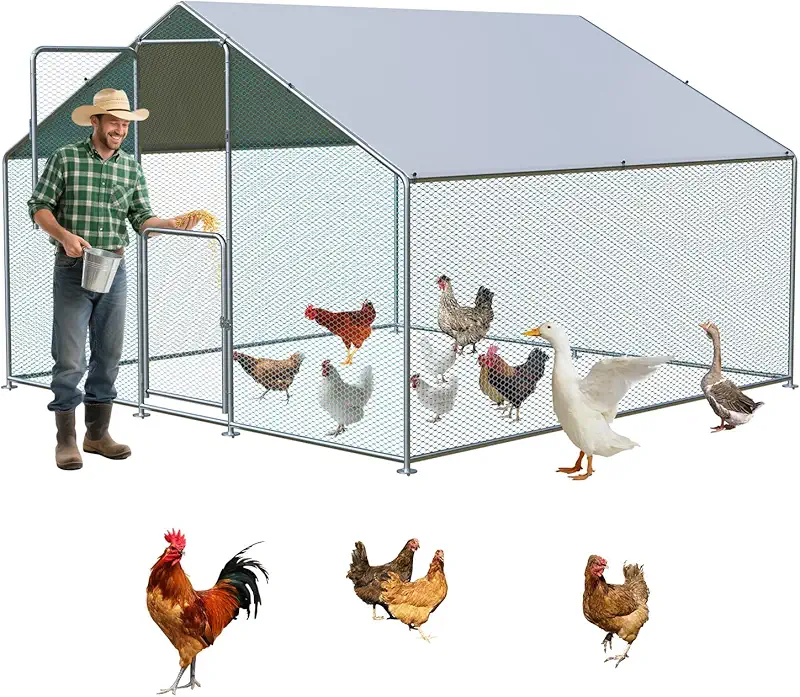
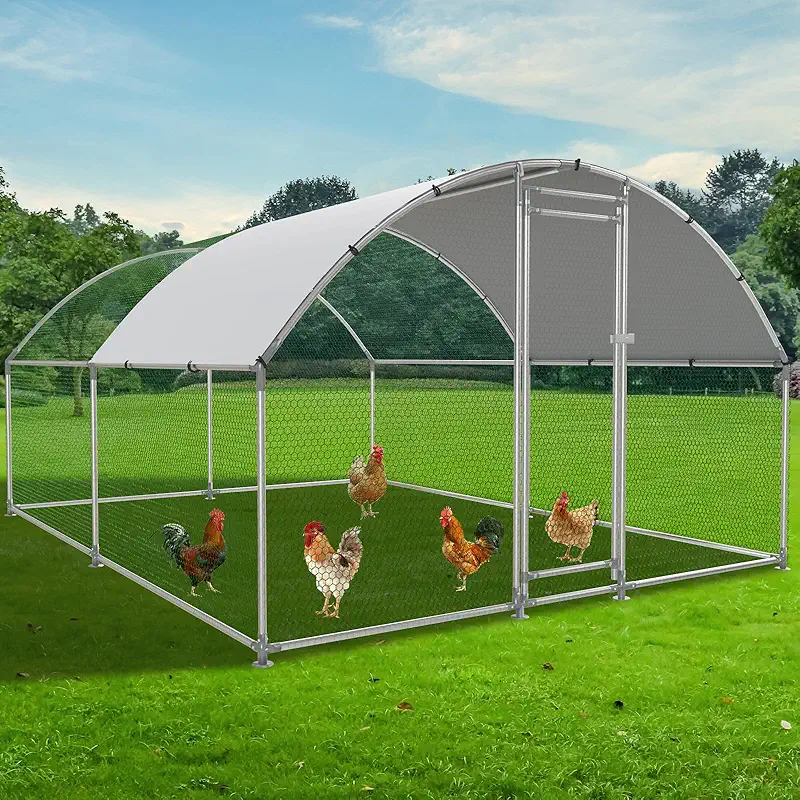
If you are thinking about a big metal chicken coop for your flock, I want to share what has truly helped my hens, not just what looks good in a picture. Chickens are simple souls, but they are very honest. If the coop design is wrong, they tell you with noise, broken feathers and thin egg shells. If it is right, they settle, sing softly and meet you at the door in the morning.
What really matters in a big metal chicken coop
When I choose a coop now, I do not start with looks. I start with how it feels to the birds and to the person who cleans it. Over time I have found four things that decide if a big metal chicken coop will be a joy or a burden.
1. Strong frame and safe mesh
Metal frames do one thing better than rough boards: they stay solid. A heavy rooster jumping onto a crossbar will not twist a decent metal tube. In my yard we have raccoons, foxes and the odd stray dog. They all test the run at night.
For a big metal chicken coop, I look for:
- Thick metal tubes that do not bend when you lean your weight on them.
- Tight mesh with small openings so paws, beaks and young chicks stay safe inside.
- Good connectors and corner braces, so the frame does not wobble in the wind.
- A door that shuts square, with a latch that cannot be flicked open by clever raccoon hands.
One winter our creek flooded and the water pushed tree branches against the run. The metal frame flexed a little, but nothing failed. My hens stayed dry, and that alone paid for the upgrade in my mind.
2. Real space, not just numbers on paper
Many listings for a “big metal chicken coop” show generous numbers, but what the hens feel is the shape of that space. Long, narrow runs often lead to bullying, with one hen trapped at the end. I prefer coops with a wide area, where shy birds can drift away from the bossy ones.
For full-sized hens, I aim for at least 10 square feet of run space per bird when they spend most of the day inside. If your flock also free-ranges in the yard, you can live with a bit less, but extra room never hurts. Overcrowding is the quiet enemy of flock health.
A big metal chicken coop lets you do something wooden boxes rarely allow: add more perches, dust-bathing trays, and even a safe corner for a broody hen and her chicks.
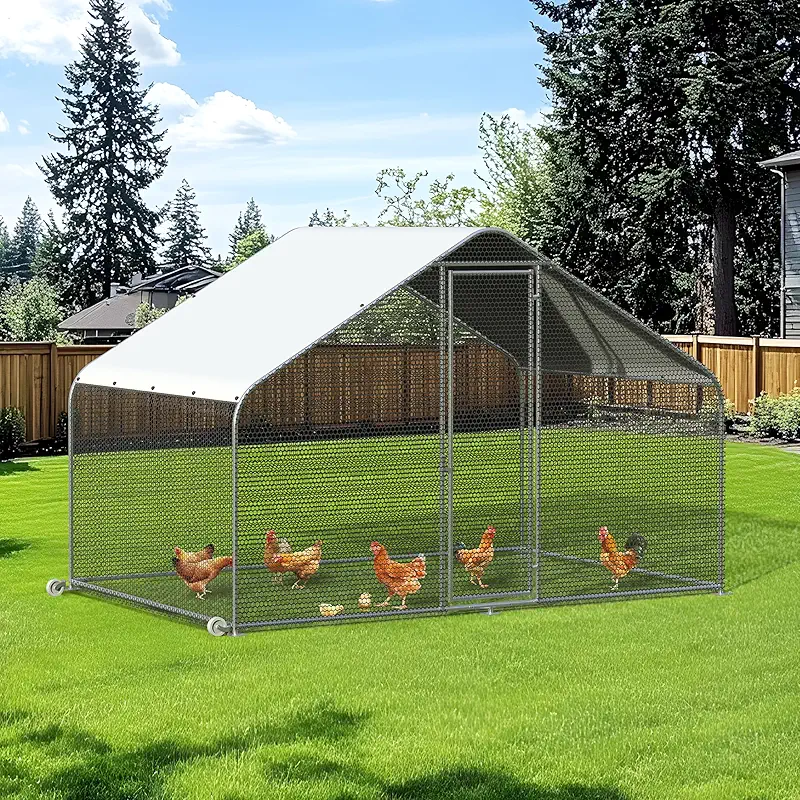
3. Shade, roof and shelter
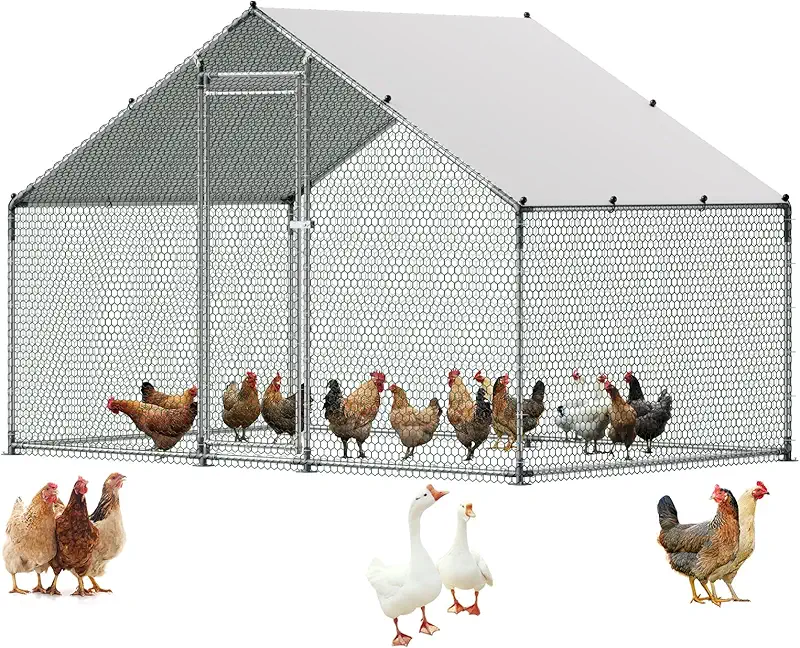
Chickens handle cold better than heat, but they hate wet and direct sun. A bare metal run under summer sun turns harsh quickly. That is why a big metal chicken coop with a proper roof or at least a good cover matters so much.
My favorite runs have:
- A solid or tarp roof over at least one-third of the area.
- Some side protection so wind and driving rain cannot cut straight through.
- Space to tuck a wooden house or nest box area under the same cover.
On hot days my hens rest in the shaded part of the metal coop, and then wander to the sunny side for a dust bath. That simple choice keeps them from panting and keeps egg shells from thinning in heat stress.
4. Easy cleaning and daily care
I am a little stubborn about this: if I cannot walk into a coop easily, I do not want it. A big metal chicken coop with a human-sized door means I do not crawl on my knees, and I do not knock my head on low beams.
Simple things that help:
- A wide door so feed buckets and bedding fit through without spilling.
- Enough headroom to swing a broom and shake out tarps or covers.
- Flat ground rails so you can rake old straw straight out the door.
When cleaning is easy, you do it more often. The hens notice. The smell stays mild, their feet stay dry, and you will see fewer leg problems and fewer flies in summer.
Living with a big metal chicken coop year-round
A coop is not just a structure in your yard; it becomes part of your daily rhythm. Each season teaches you a new lesson about your setup. Here is what my big metal chicken coop has taught me over the years.
Spring: settling new birds
In spring, chicks grow fast and sometimes you bring home new pullets. A big metal chicken coop makes this whole process gentler because you can divide space with simple wire panels. New birds can see the flock but keep their distance at first.
I usually set up a small “nursery corner” inside the main run, with its own feeder and waterer. After a week or two, when the birds are calmly ignoring each other, I open the divider. Fights are rare because everyone already had time to get used to new faces.
Summer: keeping heat under control
In summer, metal can get hot, but good design makes a big difference. With my coop, the roof tarp throws solid shade, and mesh sides let every breeze pass through. I hang frozen water bottles in front of a small fan on the hottest days, and the coop becomes a cool cave.
I also hang leafy branches, cabbage heads, or simple boredom busters from the frame. The height and strength of a big metal chicken coop make it easy to enrich their space without worry that something will fall down.

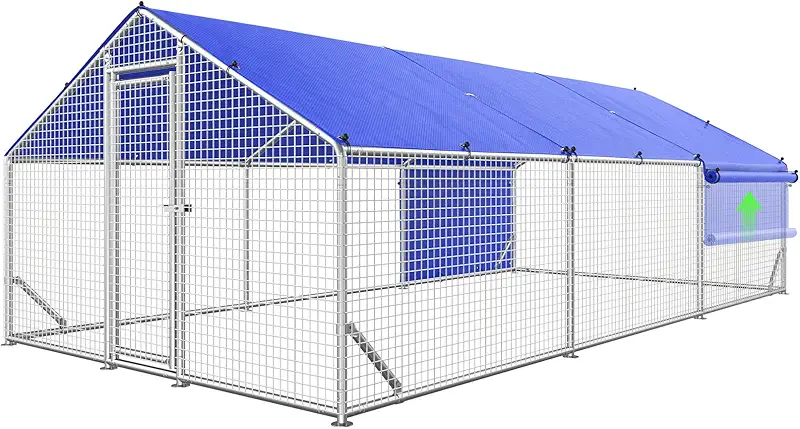
Autumn: wind, rain and mud
Autumn is when you truly appreciate a coop that does not sag. Heavy rain, fallen leaves and gusty winds all test your setup. The metal frame of my coop stands firm, and the roof cover sheds most of the weather.
I spread a deep layer of straw or wood shavings inside the run before the ground turns to mud. The big metal frame keeps that bedding in place and gives me space to add dry areas with pallets or planks if needed. Hens with dry feet stay much healthier, and they come to the door looking clean instead of bedraggled.
Winter: snow load and shelter
I remember one heavy snow where I lay awake, listening for the crunch of snow sliding off the roof. In the morning, the coop was still standing proud, metal frame under white drifts, and the hens were perched calmly inside. It was a huge relief.
For winter, I add:
- Windbreak panels on the side that takes the worst weather.
- A deeper layer of dry bedding for insulation under their feet.
- Extra roosts higher up, away from drafts that sneak near the ground.
The big metal chicken coop becomes more like a sheltered porch, protecting the wooden sleeping house or nest boxes inside. It is easier to keep everything dry, and that is what chickens need most in winter.
How to choose the right big metal chicken coop for your flock
There is no single “perfect” coop. The right big metal chicken coop depends on your land, your weather and your birds. But there are a few questions I always ask myself before I add a new structure to my yard.
1. How many hens will I really have?
We all promise ourselves we will keep just five hens. Then we meet a lovely new breed, or a child falls in love with a different color egg. Suddenly the flock grows. It is kinder to plan for that from the start.
I like to choose a coop that feels a little oversized for my current birds. That way they can spread out in bad weather, and I still have room if I rescue a stray or raise new pullets.
2. Where will the coop stand?
Before I bring in a big metal chicken coop, I walk the yard and watch how water moves in heavy rain. I look for the highest, driest ground I have. A slight slope is fine, but a low patch that stays soggy will cause muddy feet and smell.
I also think about:
- How far I want to carry water and feed each day.
- Whether I can run a hose there in summer.
- If I can see the coop from the house or kitchen window for a quick check.
3. How much time do I have for maintenance?
One gift of a big metal chicken coop is low daily maintenance. The frame does not rot, and predators have a hard time chewing through steel. Most of my work is just cleaning and adjusting covers with the seasons.
If you are busy with work and family, a strong metal setup can take a lot of worry off your shoulders. You fix less, and you can spend your time enjoying the hens instead of patching broken corners.
Why I often start with a big metal run and add the sleeping house later
People often think of a chicken coop as one solid box. In my yard, the most flexible setup has been a big metal chicken coop as the outer run, with a wooden house or smaller coop placed inside. This way, the metal frame gives strength and protection, and the wooden house gives warmth and snug roosts.
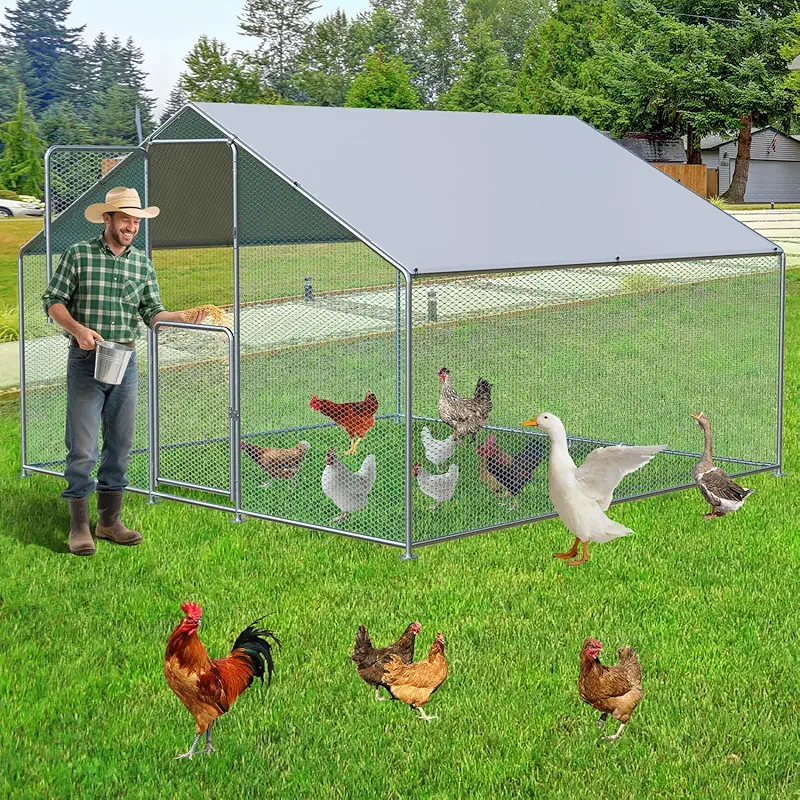
This method has helped me in three ways:
- I can upgrade or replace the inner house without touching the main run, so the hens keep their familiar outdoor space.
- I can separate a broody hen, a rooster, or a sick bird inside the same safe metal frame by adding simple wire partitions.
- I can change the layout as my flock grows or shrinks, without rebuilding the whole thing each time.
A big metal chicken coop almost becomes a little barnyard, where you can arrange roosts, boxes and feeders the way your birds prefer.
Note: Whatever model you choose, always walk your hand slowly along the mesh and connections before you let the hens in. If your hand can find a gap, a clever predator probably can too.