
Corrugated metal chicken coop roof
I have been raising hens for many years, through wet springs, heavy snow and long summers. The biggest change in my flock’s health came the day I switched to a corrugated metal chicken coop roof. Dry bedding, steady air and good shade changed everything.
If you are tired of soggy shavings, leaking corners and warped boards, a simple metal roof can feel like a small miracle. On my farm the girls tell me every morning with their soft clucks whether the coop feels right. With the right roof, they sleep dry, they breathe easily, and they lay calm and steady.
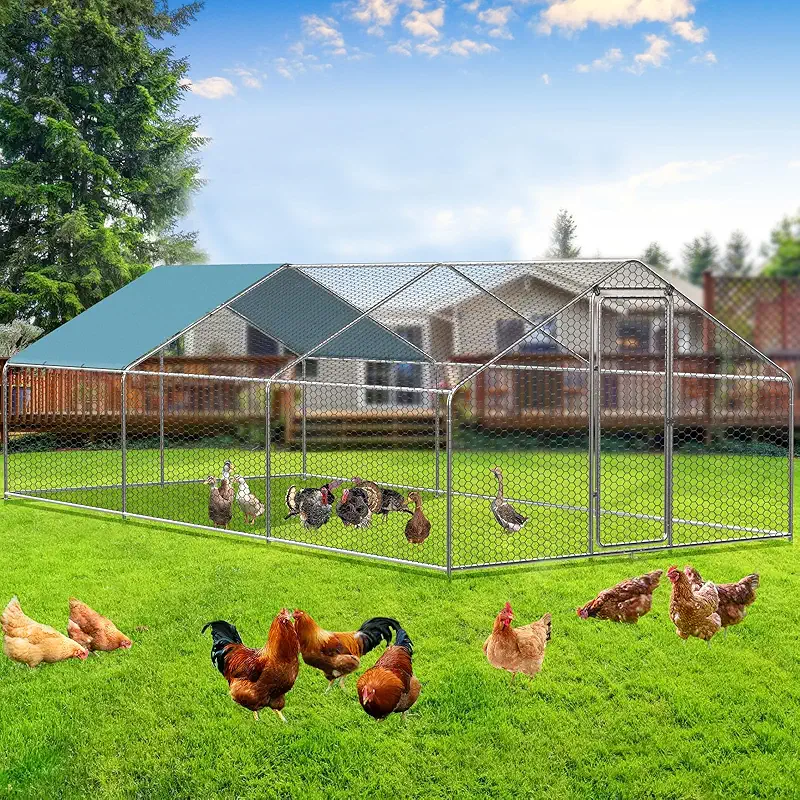
Why a corrugated metal chicken coop roof matters so much
Chickens are tougher than they look, but they hate drafts and damp. Before I used corrugated metal, I patched a wooden roof every spring. Tiny leaks would wet the corners of the coop. I still remember the smell of that damp litter and the little coughs from my hens on cold mornings.
When I finally put a sturdy corrugated metal chicken coop roof on that old coop, the change was almost overnight. The bedding stayed fluffy instead of clumping. The coop smell turned from musty to clean straw. My older hens, who usually slowed down in late winter, kept laying without the usual break.
Key benefits of a corrugated metal chicken coop roof
When people ask me why I trust metal roofing over my flock, I always think in simple terms: Will this keep them dry, safe and calm in all seasons? Corrugated metal does that well when it is installed with a bit of care.
What my hens gain
- Dry sleeping area even in heavy rain.
- Steady airflow with fewer drafts when eaves are done right.
- Cooler shade in summer when the metal is raised with a little air gap.
- Less mold and bacteria in the litter, so fewer respiratory troubles.
- Quieter mornings because they are not disturbed by dripping water.
What you gain
- Less time patching leaks and changing soaked bedding.
- Roof that holds up to wind and snow for many seasons.
- Easy to hose off leaves and bird droppings.
- Simple to add gutters to catch clean rainwater for the garden.
- Peace of mind on stormy nights when you hear the rain.
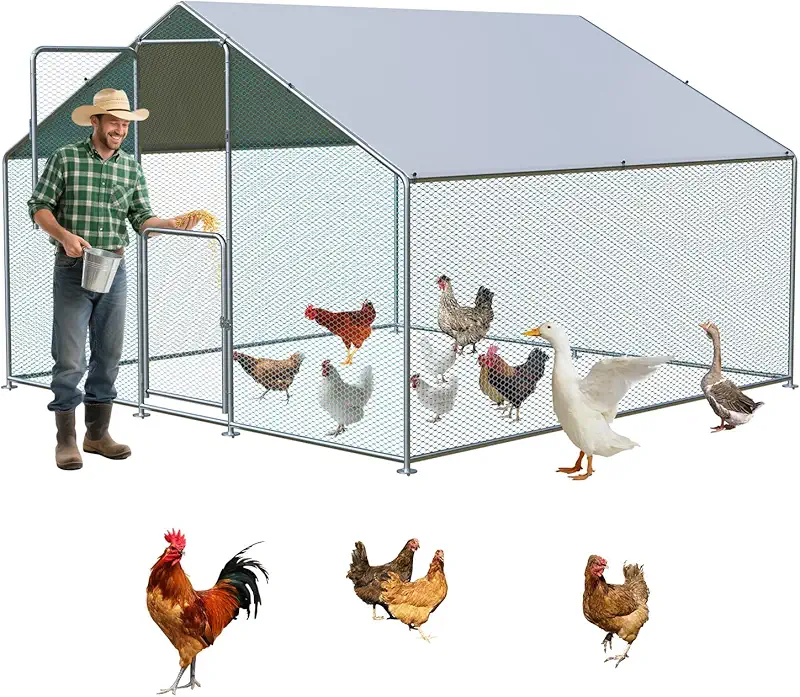
Choosing the right metal panels for your coop
Not all metal panels feel the same above a flock. Over the years I have tried thin, rattly sheets and heavier, quiet ones. The thin ones bend easily and can flap in the wind. The thicker corrugated panels sit firm and safe, which is what I now look for every time.
For most backyard coops and metal runs, I like panels with a decent gauge, strong ribs and a protective coating. The ribs give the roof its strength, like the bones under a bird’s feathers. The coating keeps rust away so sharp edges do not form where curious hens might scratch.
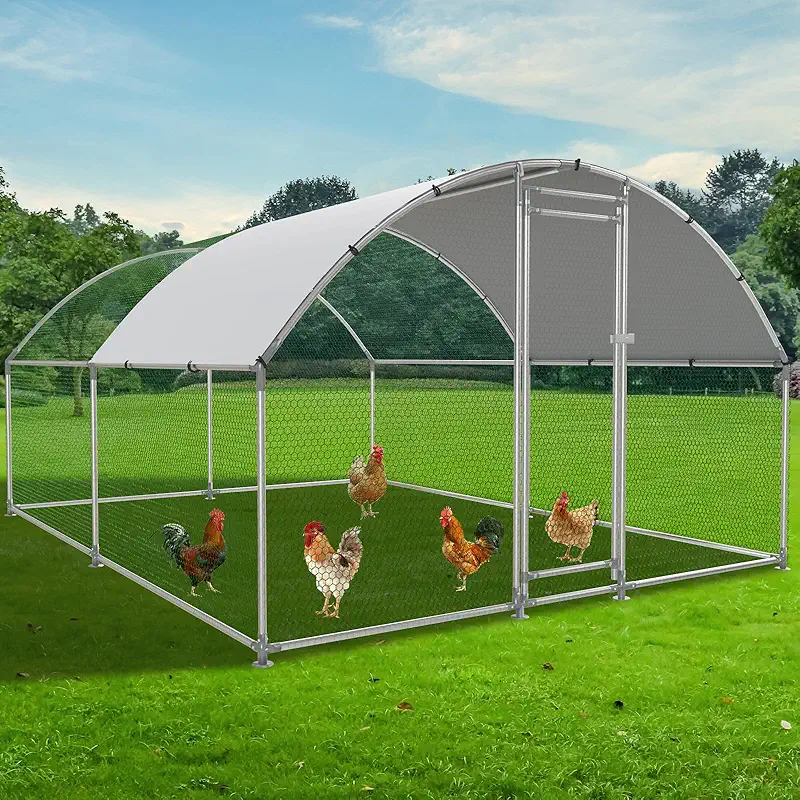
Planning the slope and layout of your corrugated metal chicken coop roof
Chickens do not care how their roof looks, but they do care about drips and drafts. The way you slope and place the roof shapes how water and wind move around the coop. I aim for a gentle, steady slope that carries water away from doors and regular walking paths.
Over time, I learned to avoid having rain fall right in front of the coop entrance. Wet, sticky ground there means muddy feet and dirty bedding. Now I let my corrugated metal chicken coop roof send water to the sides or to a small gutter and barrel. My hens go in and out without stepping into a puddle first.
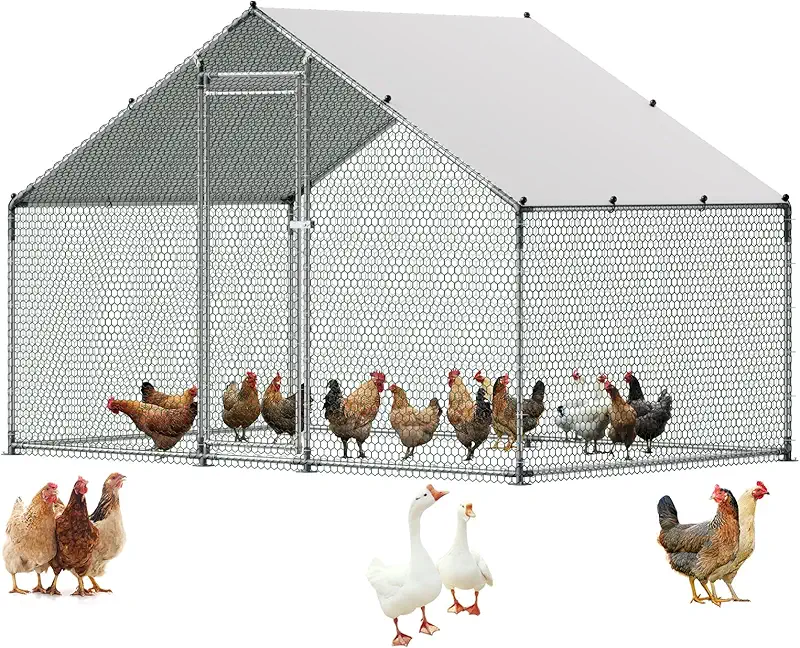
Keeping your hens cool under a metal roof
One of the honest worries with metal roofing is summer heat. I share that worry. Metal can turn hot in the midday sun, and chickens deal with heat poorly. But with small adjustments, a corrugated metal chicken coop roof can actually help your flock stay cooler.
The best trick I learned is to create a thin air gap between the metal roof and the solid ceiling or wire top underneath. Hot air rises up to the metal and escapes through vents, while the shaded layer below stays cooler. I also aim for generous shade around the coop, using trees or simple shade cloth on the sunniest side.

Noise, rain and your flock’s nerves
Many people worry that rain on a corrugated metal chicken coop roof will frighten their birds. Light rain sounds like soft drumming, and my flock finds it soothing. Strong hail can be loud, but I have seen that calm, consistent shelter matters more to them than the sound.
To soften noise, I sometimes lay a thin layer of wood or insulation board under the metal on bigger coops. The hens hear the outside world, but the sharp edge of the sound is gone. It feels similar to being inside a barn during a storm instead of standing right under a tin sheet.

Keeping a corrugated metal chicken coop roof safe and sound
A roof does not ask for much, but it does like a yearly check-up. I walk around the coop slowly, looking up, letting my eyes follow the lines of the corrugated metal. I look for loose screws, small rust spots and leaves piling up. This small habit has saved me from big leaks more than once.
I also stand inside the coop on a sunny day and look up. If I see a new dot of light where there was none before, I know a screw worked loose or a branch scratched the metal. A simple patch and a new screw there can keep the whole season dry.
- Brush or hose leaves and branches off the metal.
- Check each screw line for gaps or movement.
- Look along the edges for any lifting or bending.
- Seal any small holes before summer rains begin.
- Make sure vents and eaves stay clear of cobwebs and dust.
Matching a roof to different coop styles
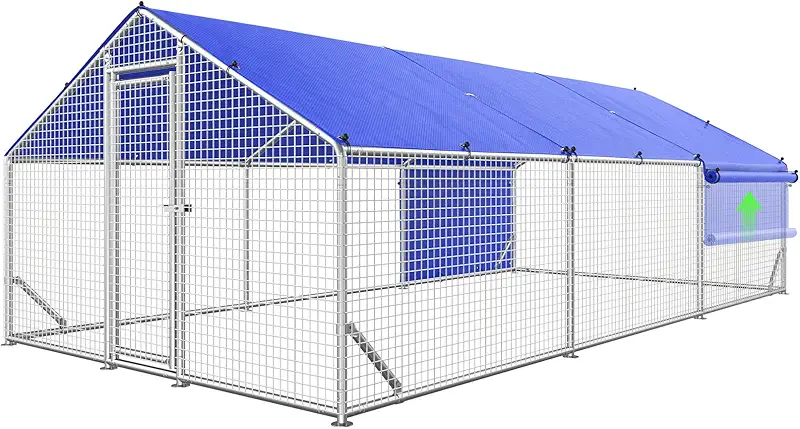
I have used a corrugated metal chicken coop roof on many shapes of homes for my hens: small backyard hutches, long walk-in coops, and simple runs that give daytime cover. The same gentle rules apply to all of them: solid framing, enough slope, safe edges, and kind ventilation.
On tiny coops, a single panel sloped from front to back can work well. On long runs I prefer several panels with overlap and strong support beams. No matter the design, I always keep my birds’ habits in mind. Where do they like to dust bathe? Where do they line up to go to bed? I protect those favorite spots first.
FAQs about using a corrugated metal chicken coop roof
1. Is a corrugated metal chicken coop roof too hot for hens in summer?
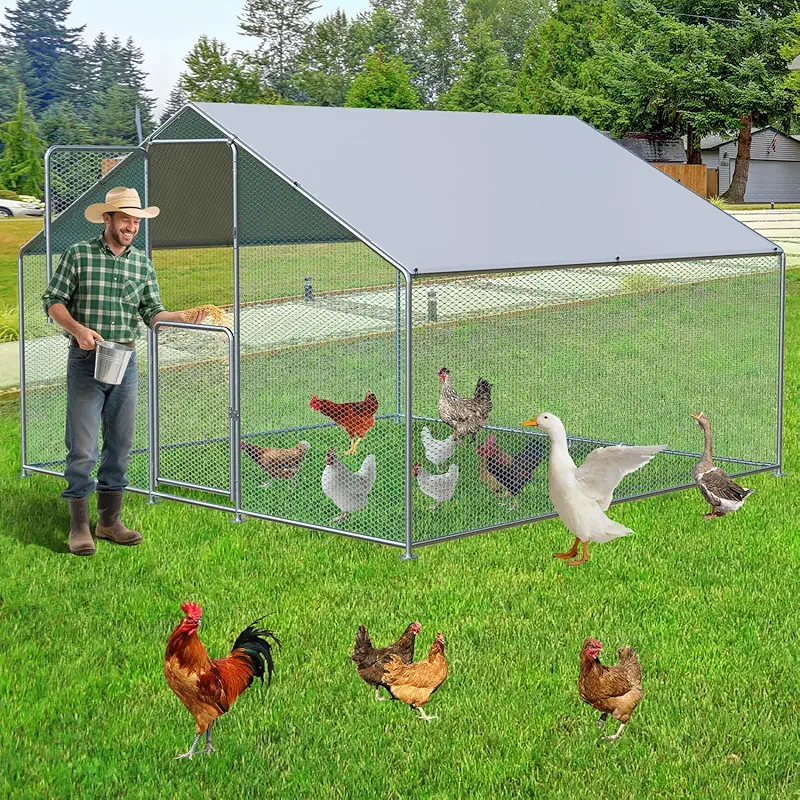
It can be hot if the roof is flat against the coop with no air movement. With a small air gap, good vents and some shade, it works very well. On my farm, the coops with corrugated metal stay cooler than the old shingle roof when I keep windows and vents open.
I watch my hens on the warmest days. If they pant heavily or stretch their wings away from their bodies, I add shade cloth on the sunniest side or increase airflow.
2. Will rain on a metal roof scare my chickens?
Most flocks adjust quickly. Light rain sounds soft and rhythmic, and many birds seem to settle under it. Strong hail is louder, but when the coop is solid and there are no drafts, they usually stay calm on their perches.
If you are concerned, you can soften the sound with a thin layer of wood or insulation board under the corrugated metal chicken coop roof, especially above the main roost area.
3. How much slope does a corrugated metal chicken coop roof need?
Even a gentle slope is enough to move water away, but I prefer a clearly visible angle rather than a nearly flat roof. The exact number is less important than the behaviour of the water: it should run off easily and not pool anywhere.
I also make sure water does not pour right in front of the coop door. Directing it to the sides or into a small gutter keeps entrances dry and safe for the flock.
4. Does a metal roof cause condensation inside the coop?
Condensation comes mostly from moisture inside the coop, not from the metal itself. Chickens breathe out water and their droppings contain moisture. If that damp air has no way out, it will show up as wet spots and foggy windows.
With a corrugated metal chicken coop roof, I always include vents high up under the eaves and keep bedding dry. When airflow is gentle but steady, condensation almost disappears.
5. How long will a corrugated metal chicken coop roof last?
With decent panels and careful fastening, a metal roof can last many years, especially on a small coop. On my oldest structure, the first panels are still in place after many harsh winters. I only needed to replace a few screws and seal one small scratch where a branch fell.
The real secret is simple yearly care: brush off debris, check fasteners and touch up any exposed metal before rust starts. Your hens get a safe, familiar roof year after year.