
Heavy duty metal chicken coop
I have shared my yard with chickens for many years now. I have lost birds to foxes, raccoons and even a neighbor’s dog. The turning point for my flock’s safety was moving them into a solid, heavy duty metal chicken coop. On this page I want to talk to you like a friend over the fence and help you understand what really matters when you choose a strong metal coop for your own hens.
Everything here is based on slow mornings by the run, muddy boots, and the soft sounds of happy hens scratching in safety.
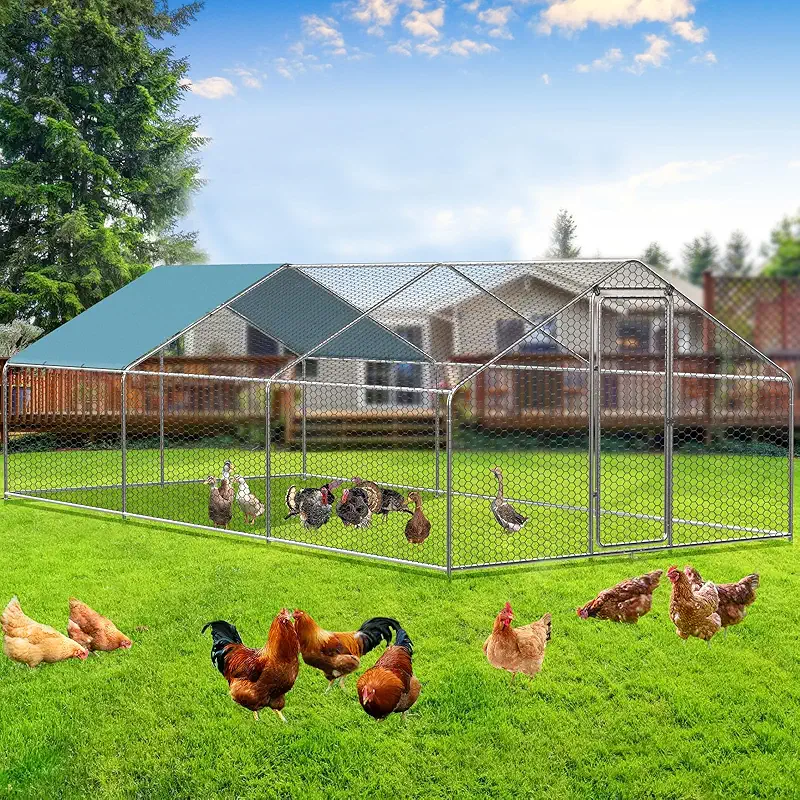
When new chicken keepers ask me about coops, I always start with this: a coop is not just a box with a roof. It is the small world where your birds sleep, feel safe, and wait for you on stormy nights. For that world, flimsy wire and bending poles are not enough. A heavy duty metal chicken coop gives your birds a firm, steady shell around their soft little lives.
I remember one winter evening when a strong wind came in from the north. The old wooden run I had at the time rattled and shook. My hens huddled in the corner, eyes wide. I stood there, holding the door with my shoulder, thinking, “They deserve better than this.” That same month I started looking seriously at strong metal coops, the kind that can take a kick from a big dog or a heavy snow without even flinching.
Why a heavy duty metal chicken coop changed life for my flock
Once I moved my birds into a heavy duty metal chicken coop, the whole mood of the yard changed. The coop stood firm, like a small barn frame, and the wire did not sag or bend when I leaned on it. My older hen Daisy, who is usually nervous at night, started roosting calmly instead of pacing along the wall.
The main gift of a good metal coop is simple: peace of mind. Not just for the hens, but for you. When I lock up at night now, I listen to the soft clucks, close the gate, and walk back to the house without that tight knot in my stomach.
Key things I look for in a heavy duty metal chicken coop
- Thick galvanized steel tubing that does not twist when you push it.
- Strong, tight mesh that even a raccoon’s fingers cannot pull apart.
- Secure door with a latch that cannot be opened by clever paws.
- A shape and size that lets hens move, stretch wings, and dust bathe.
- Enough space for you to walk in and clean without bumping your head.
These are not fancy extras. They are the quiet details that keep your birds alive when you are not standing next to them.
Real daily life inside a heavy duty metal chicken coop
Let me paint you a simple morning. The sun is low, the grass is still damp. I open the door of the coop, and the hens step out one by one, heads high, feathers puffed. They know that inside those metal walls they made it through the night safely, as they do every night.
One night we heard coyotes calling down by the creek. In the past, that sound would send me running to check the old run, flashlight in hand, heart beating hard. Now I still go out to listen, but I lean against the metal frame and feel how solid it is. The hens barely stir on the roost. The metal coop takes the worry and carries it for me.
A heavy duty metal chicken coop is also kind to you during chores. Bigger doors and firm frames make it easy to hang feeders and waterers. You can fix tarps or shade cloth without the frame bending. When I hose down the run or rake out old bedding, nothing shakes or feels fragile.
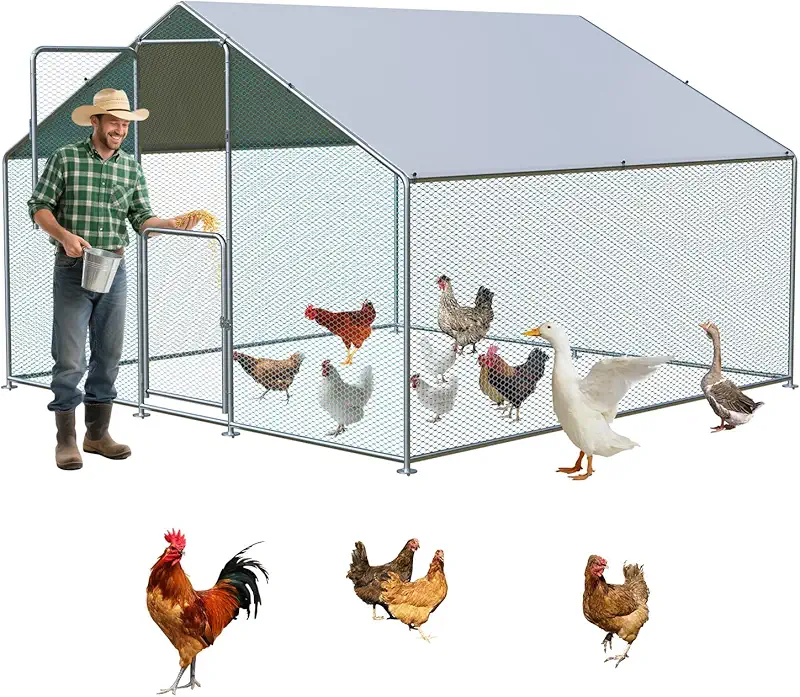
How to choose the right size heavy duty metal chicken coop
Hens are small, but they need more space than many people think. Crowding creates stress, pecking, and sickness. Over the years I have seen that generous space is one of the kindest gifts you can give your flock.
For the open run part of a metal coop, I like to see at least 10 square feet per standard hen if they are staying inside most of the day. If they free range outside the coop during the day, you can work with a bit less space, but I still like at least 6–8 square feet per bird inside the enclosure.
- Small backyard flock (4–6 hens): look for a heavy duty metal chicken coop around 6x10 ft or similar.
- Medium flock (8–12 hens): a run around 9x12 ft or more works better.
- Larger flock (15+ hens): go for long, walk-in style metal runs that you can stand in easily.
Remember, you can never really give them “too much” space. I have never heard a hen complain that her run is too big.
Think about your own body too
When I was younger, I did not mind crawling into tight spaces to clean. Now my knees and back appreciate a tall, walk-in metal coop. If you can stand upright inside, you will clean more often, scrub waterers regularly, and notice small problems sooner. That quiet comfort for you turns into better health for your birds.
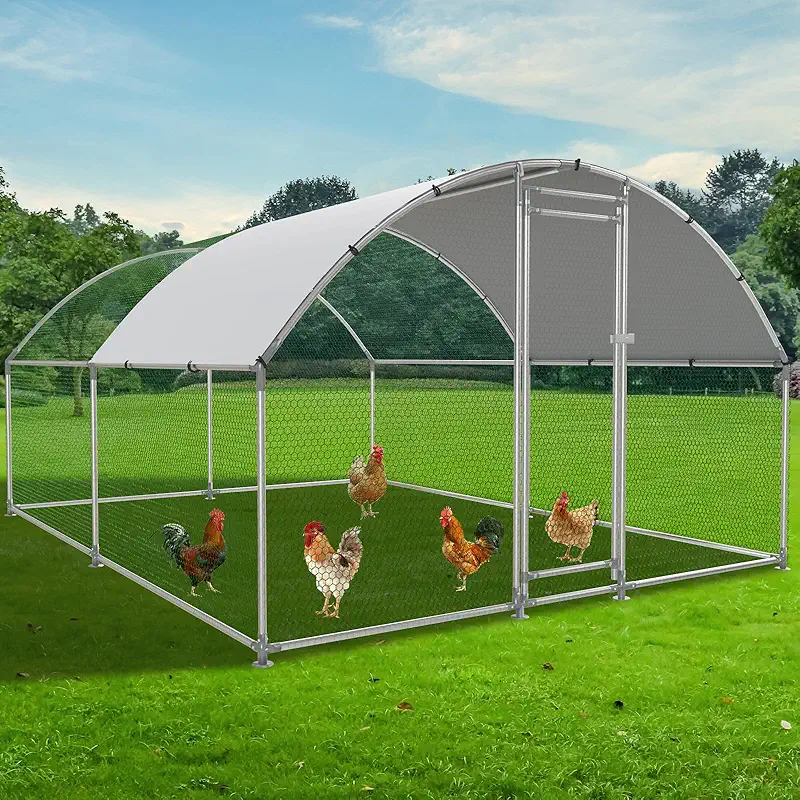
Metal vs wood: what my hens “told” me over the years
I still have a soft spot for old wooden coops. They look charming and smell like sawdust and straw. But the predators in my area do not care about charm. They test every weak board and every little gap.
With wood, I spent many weekends patching, painting, and replacing rotten spots. Termites liked the damp corners, and the bottom edges near the soil wore down fast. Metal, especially galvanized steel, does not swell with rain or split in the heat. A heavy duty metal chicken coop stands the same in August sun as it does in January frost.
What my hens “told” me, in their own quiet way, is that consistency matters. They settle faster in a coop that does not shift, creak, or move around them. The solid weight of a strong metal frame gives them that sense of steady shelter.
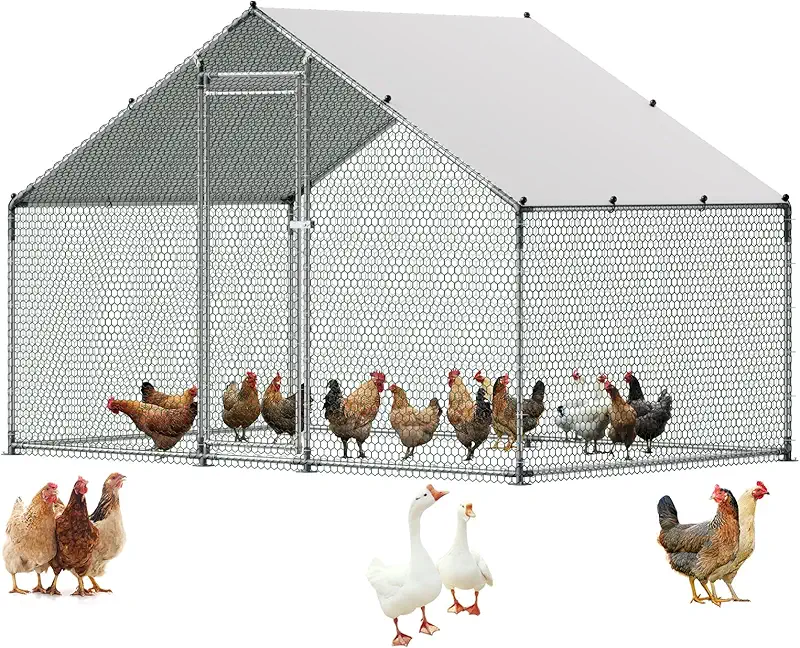
Predator safety: where heavy duty metal really matters
Out here we have foxes that move like shadows, raccoons with clever hands, and neighborhood dogs that can break boards when they get excited. A heavy duty metal chicken coop is my answer to all of them.
The thick metal tubing stands up to pushing, jumping, and even a big dog leaning its full weight on the side. Tight, strong mesh keeps out paws and teeth. When I run my hand along the wire now, there are no soft spots that can be pushed in.
- Check that every panel joins firmly, with no loose corners.
- Use strong ties or clamps where panels meet, not just thin twist wire.
- Secure the bottom of the coop with ground stakes or a partial buried wire skirt.
- Choose a door that closes fully, with no gap even at the bottom.
One spring we had a young fox testing the fence almost every night. I would see the paw prints in the mud and the track marks along the mesh. The hens stayed calm, because the fox never made it inside. That is when I knew the extra strength of the metal coop was truly earning its place.
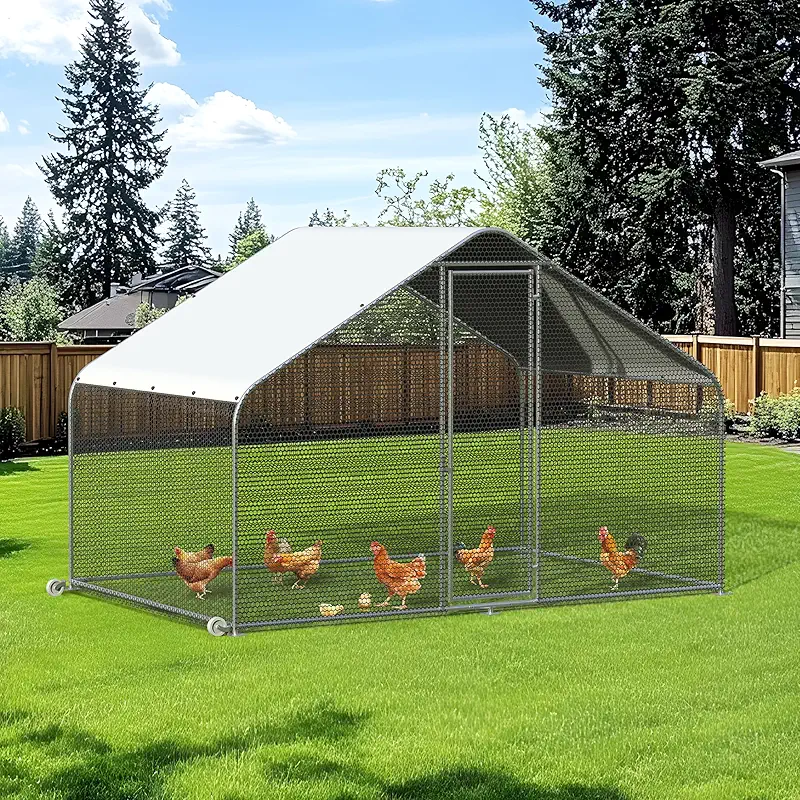
Comfort in all seasons inside a heavy duty metal chicken coop
Safety is not only about predators. Weather can be just as cruel. In summer, my hens need shade and air. In winter they need shelter from wind and drafts, but also good ventilation so the air stays dry.
A metal frame makes it very easy to add what your climate needs:
- Shade cloth in summer: clips right onto the metal, making cool spots for midday resting.
- Tarp or roof panels: keep rain and snow off, giving the hens a dry area to scratch.
- Wind breaks: simple boards or panels fenced to the lower sides to stop icy winds at hen height.
My own run wears “different clothes” though the year. Light shade covers for summer, then heavier tarps when the first cold rains arrive. Because the base is a heavy duty metal chicken coop, I can change covers without worrying about weakening the structure.

Daily care tips for a healthy life inside a metal coop
Even the strongest coop needs gentle daily habits to keep it a good home. Over time I have settled on a simple routine:
- Walk the outside of the coop every few days, checking for loose ties or small gaps.
- Rake or stir the bedding where the hens spend most of their time.
- Move feeders and waterers a little, so the ground under them can dry.
- Look at the roof and covers after every strong wind for any damage.
A heavy duty metal chicken coop makes this easier because the main structure rarely needs attention. You can focus on cleanliness and comfort instead of constant repair.
I also like to hang small treats and toys from the metal bars. A cabbage on a string, bunches of herbs, or a simple swinging perch. When the hens are busy and curious, they stay calmer and kinder to each other.
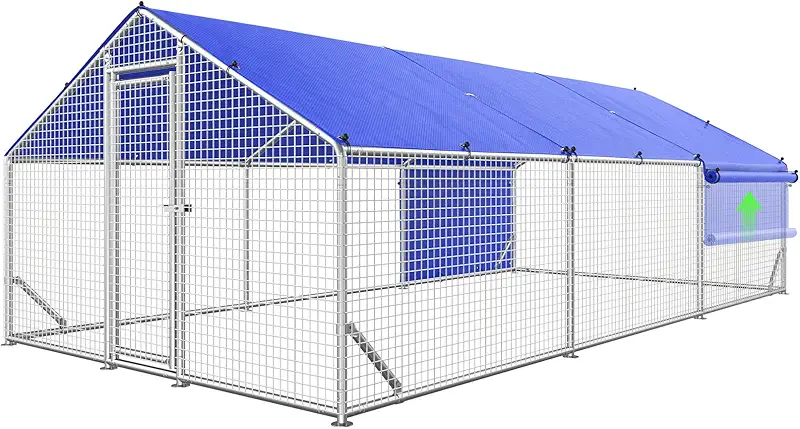
Common mistakes people make with metal coops
Over the years I have helped neighbors and friends adjust their own coops. The same simple mistakes show up again and again, even with a good heavy duty frame.
- Forgetting shade: metal can get hot in bright sun. Always plan for shade and cool spots.
- Too many hens: strong metal does not mean you can crowd birds. Respect space needs.
- Weak latching: a solid frame with a flimsy latch is an open invitation for raccoons.
- No dry area: hens need at least one completely dry patch, even after heavy rain.
None of these are hard to fix, and a good heavy duty metal chicken coop makes those fixes easier to set up and keep in place.
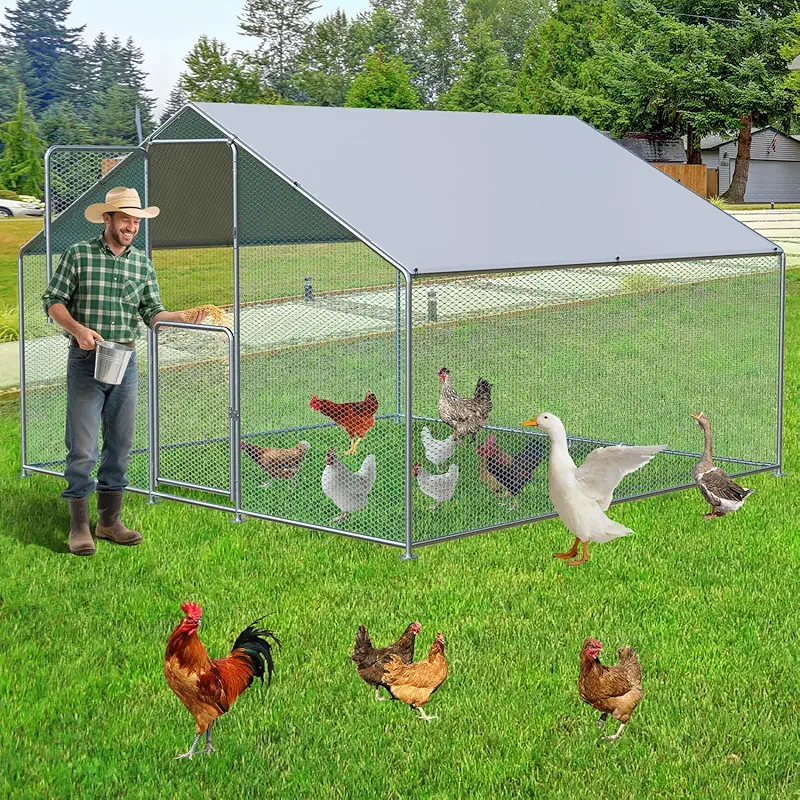
Listening to your hens: the final test of any coop
At the end of the day, your birds will tell you if a coop is right for them. They do not speak, but they show it in how they move, rest, and lay.
- Hens that feel safe go to bed calmly, without frantic running at dusk.
- They spread out on the roosts instead of piling in one tight corner.
- They scratch and dust bathe during the day instead of pressing against the fence.
- Eggs appear in regular spots, not hidden corners outside the coop.
When I first moved my flock into a heavy duty metal chicken coop, I watched their behavior closely. Within a week, the nervous pacing stopped, and the soft “bedtime talk” clucks returned. That was my sign that the metal walls and firm wire felt like a real home to them.
FAQ about heavy duty metal chicken coops
Are heavy duty metal chicken coops safe in very hot weather?
Metal itself can get warm in direct sun, but a strong heavy duty metal chicken coop can still be very safe in hot weather if you plan for shade and airflow. I always place mine where part of the run gets natural shade in the afternoon. Then I add shade cloth or a light-colored tarp over the top. Because the metal frame is sturdy, these covers stay tight and do not sag. With good shade, plenty of fresh water, and some open sides for breeze, my hens stay comfortable even on high-summer days.
Will a heavy duty metal coop rust quickly?
A good heavy duty metal chicken coop is usually made from galvanized steel, which is coated to resist rust. In my own yard, the frame has held up for years with very little sign of wear, even through wet winters. I do check joints and spots where pieces rub together, and if I ever see bare metal I touch it up with a bit of protective paint. Simple habits like keeping wet bedding from piling against the sides also help the metal last longer.
How many chickens can I keep in a heavy duty metal chicken coop?
The number of chickens depends on the size of the coop, not just the strength of the metal. As a gentle rule, I aim for at least 10 square feet of run space per hen if they spend most of the day inside the coop, and a bit less if they free range often. I would rather keep a few fewer birds and have them relaxed and healthy than crowd them in. Calm, roomy hens lay better and live longer, and that matters more to me than having one more bird.
Do heavy duty metal chicken coops need a separate wooden hen house?
You can use a heavy duty metal chicken coop in different ways. Some keepers attach a small wooden hen house or nesting box area inside or beside the metal run. Others create covered, sheltered corners within the metal coop itself, using tarps and extra panels. In my flock, I like having a wooden sleeping area attached to the metal run, but I know neighbors who use only a well-covered metal coop and their birds do fine. The important parts are dry resting spots, safe perches, and strong protection from wind and predators.
Is a heavy duty metal chicken coop hard to move or change later?
A truly heavy duty metal chicken coop is meant to feel solid once it is set up, but most designs still come in panels that you can take apart if needed. I will not say it is as easy as dragging a tiny tractor coop across the grass, but with a friend to help you can shift or reassemble it in a new spot. I actually like that it does not move by accident. Once I am happy with the position, it stays where I put it, steady through storms and seasons, and that steadiness is worth a lot to me and to my hens.