
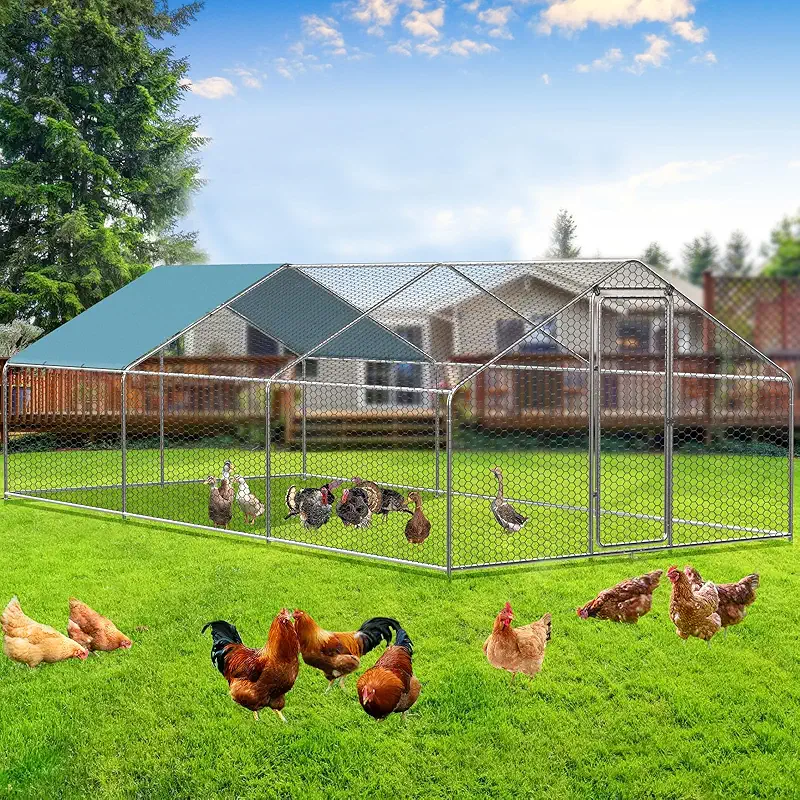
Why a large metal chicken coop feels different
When I moved from my first tiny wooden coop to a large metal chicken coop, I felt the difference the very first morning. The flock stepped out quietly, not pushing or fighting at the door. There was space to stretch, room to flap wings, and a calm, slow clucking that every keeper loves to hear.
Wood has its charm, and I still keep some wooden shelters. But a well-built metal run with lots of room has a special kind of steady peace. It does not swell in the rain. It does not warp in the sun. It stands there like a patient shepherd, night after night.
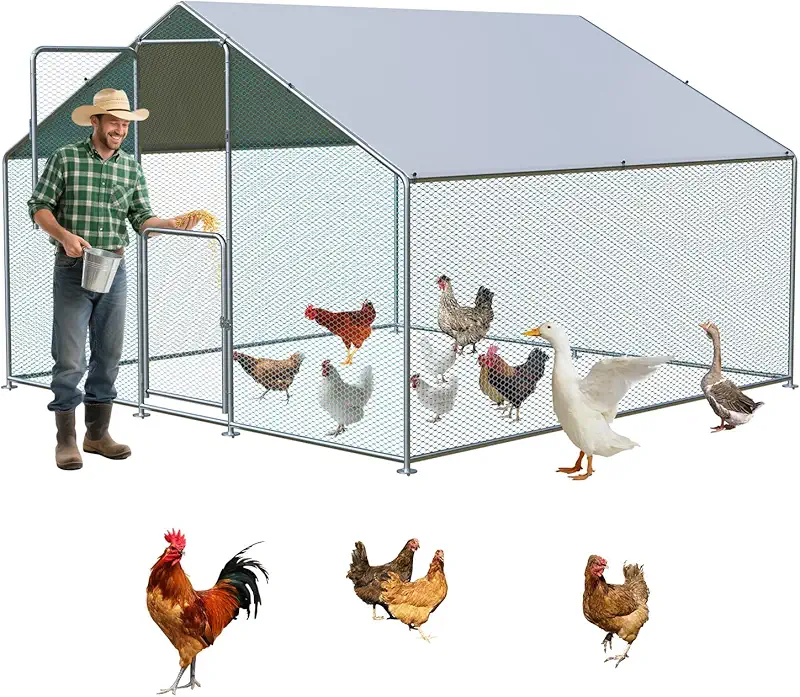
A roomy metal run where hens can walk, dust-bathe and gossip without bumping into each other.
I still remember one spring storm that tore shingles off my shed roof. I ran outside with a flashlight, worried sick about my birds. The wind howled, branches were flying, but the big metal coop only hummed softly. The next day the hens walked out and shook their feathers as if nothing happened. That was the night I promised myself I would never again leave them in a small, flimsy pen.
What I always check before choosing a large metal chicken coop
When you look at photos online, many coops seem similar. But once you start bolting panels together with cold fingers at dusk, the small details matter a lot. Over the years I created a simple checklist for myself.
- Is the frame strong enough to lean my full weight against?
- Is the mesh tight and small enough to keep out raccoons and weasels?
- Is there enough headroom for me to walk inside without bending like an old rooster?
- Can I clean the corners easily with a broom and a shovel?
- Will the doors close tightly even after a year of wind and rain?
These sound like simple things, but each one comes from a real mistake I made. I once had a run where I had to crawl inside to grab a shy hen at night. I came out covered in cobwebs and dust, grumbling at myself. Since then, I always look for generous height in a large metal chicken coop.
Space: how much room do hens really need?
People often ask me, “How many chickens can I keep in this run?” The truth is, you can squeeze a surprising number of hens into a small space, but they will not be the kind of birds you enjoy being around. They become noisy, rough with each other, and more likely to peck and bully.
In my own yard, I aim for more space than any chart suggests. Inside a large metal chicken coop, I like to give:
- At least 10 square feet of run per standard hen
- Even more for heavy breeds like Orpingtons and Brahmas
- Extra space if they must stay confined during bad weather
When I give them room to wander, I notice fewer broken feathers, fewer sharp pecks, and much softer sounds in the evening. Chickens may be small, but they carry big feelings in those little bodies. Space lets those feelings settle.
Why metal matters: strength, weather and predators
The biggest reason I moved to metal coops was not fashion. It was a fox called “Red Socks” by my kids. He tested every weak board and every loose corner. Wooden runs aged and softened, but the metal panels kept standing firm.
With a large metal chicken coop, you get three quiet gifts:
- Steady structure: the frame stays straight in heat, cold and wind.
- Firm mesh: claws and teeth slide, but do not tear through easily.
- Simple repairs: if one panel bends, you can usually swap or brace it.
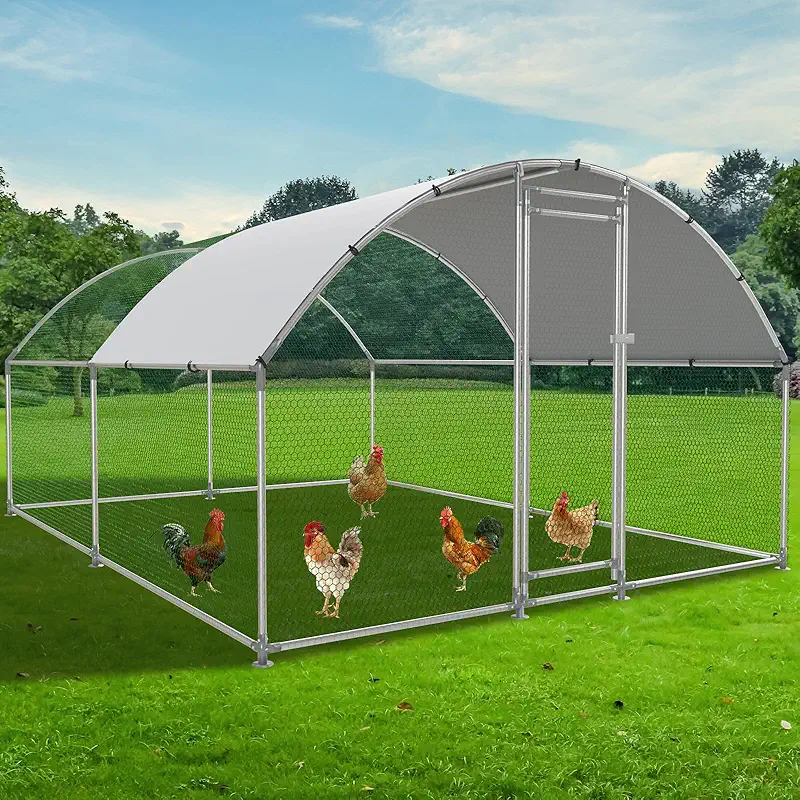
Strong frames and tight mesh help keep curious predators out and gentle hens at ease.
I like to walk around a new coop at night with a flashlight, pretending I am the fox. I run the beam along the bottom edge, the corners, the door latch. Wherever the light slips through, I know a clever nose might fit as well. With the right metal run, I see far fewer of these weak spots.
Blending a large metal chicken coop with a warm, natural yard
Some folks worry that a metal structure will look harsh in the garden. I understand that fear. I also love the look of old barns and rough wooden fences. But a large metal chicken coop can soften into the landscape more than you might imagine.
In my own yard I:
- Plant sunflowers and climbing beans along the outside of the run.
- Add a few wooden perches and stumps inside so it does not feel “cold”.
- Scatter straw and leaves on the floor to bring back the smell of the forest.
The metal becomes the bones of the place. The plants, wood, dust baths and chickens themselves provide the soul.
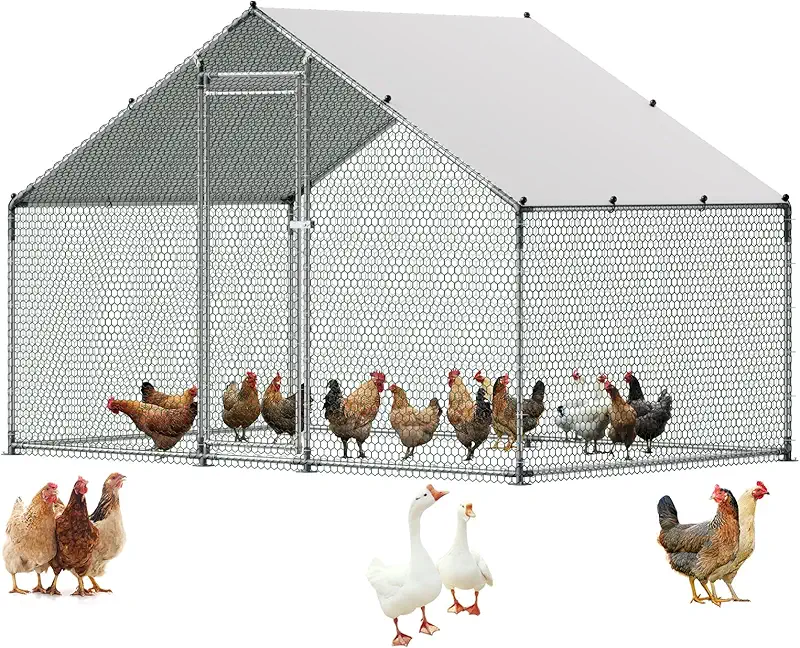
Add perches, stumps and plants and your large metal chicken coop starts to feel like a little village for hens.
Daily life inside a large metal chicken coop
There is a time of day I love more than any other. Just before sunset, when the air cools and the shadows grow long, the flock gathers by the entrance of the large metal chicken coop. One by one they hop inside, find their favorite roost, and start to murmur.
In a crowded or shaky pen, that moment can feel restless. Wings flap, hens shove for space, and human hands must sort out arguments. In a spacious, solid run, bedtime is gentle. Some hens settle near the door, some higher up, some tucked in a quiet corner. I often stand there for a minute just to breathe it in.
I also design my metal coop so that my own evening chores are easy:
- Feeders at a height where I do not have to bend too low.
- Waterers near the door so I can refill without walking through mud.
- Nesting boxes reachable from outside, if possible.
When the routine is simple, I keep it up even on cold or busy days. And when care stays regular, the flock stays strong.
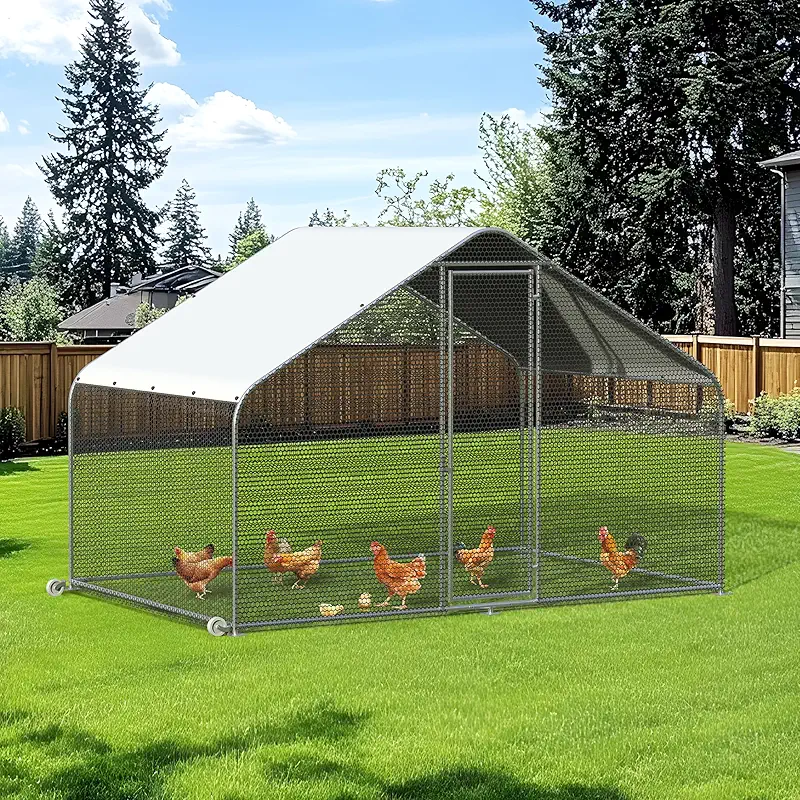
Thoughtful layout inside a large metal chicken coop keeps chores calm for both you and your flock.
Weather, shade and comfort inside a metal coop
Metal can get hot in summer and cold in winter if we do not think ahead. Over the years I learned to shape comfort with small, simple tricks.
Keeping hens cool in summer
In the hottest months I focus on shade and airflow:
- Shade cloth or a tarp over part of the roof, not all of it.
- Fresh water in more than one spot so nobody has to fight for a drink.
- Good cross-breeze: two sides of the large metal chicken coop that let air move.
I watch my hens on hot days. If they walk with their beaks open and wings slightly away from the body, I know I must add more shade or a shallow pan of cool water for their feet.
Keeping hens comfortable in winter
In winter I care more about dryness and drafts than about absolute temperature. Chickens handle cold better than damp wind.
- Windbreak on the side that takes the strongest weather.
- Dry bedding, changed when it clumps or smells sharp.
- Roosts thick enough so toes can tuck under feathers.
The metal frame of a large coop gives me a strong base for tarps, clear panels or extra windbreaks when a storm rolls in. I have put up protection in a hurry many times with bungee cords and old boards. The frame never minds.

A sturdy frame makes it easy to add shade cloth in summer and windbreaks in winter.
Building and maintaining your large metal chicken coop
I am not a professional builder. My hands are more used to egg baskets than power tools. That is why I pay attention to how easy a metal coop is to put together and to care for.
Assembly lessons from tired evenings
After a long day, no one wants eighty tiny bolts and confusing diagrams. When I choose a coop, I look for:
- Clear labeling on panels, so I know what goes where.
- Sturdy connectors that do not twist when tightened.
- At least one large door for people, not just small doors for birds.
I set aside an afternoon, make some tea, ask for a pair of extra hands if possible, and build slowly. I imagine each panel as a wall of a little village where my hens will gossip and rest.
Simple cleaning routine
A large metal chicken coop is easier to clean than many people think. My usual rhythm looks like this:
- Daily: quick look at feeders, waterers and corners.
- Weekly: sweep or rake, add fresh bedding where needed.
- Seasonally: deeper scrub of roosts, mesh and floor.
Metal surfaces rinse off well and dry fast. When the run is tall enough for me to walk through, I do not postpone cleaning. My hens feel that effort, even if they cannot say thank you.
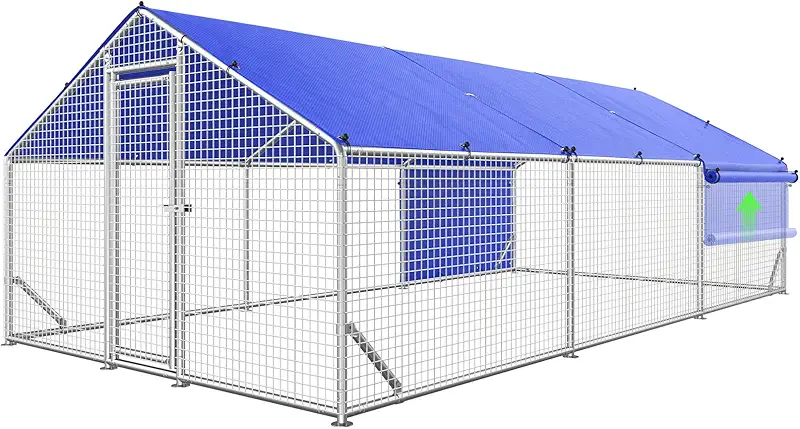
Roomy doors and walk-in height turn cleaning from a chore into a short, peaceful visit.
Choosing a large metal chicken coop that fits your life
Every yard and every flock is different. You may have a handful of spoiled backyard ladies or a busy group of working layers. What matters most is that the coop you choose fits the way you truly live, not the way you wish you lived.
When you look at a large metal chicken coop, ask yourself:
- Can I reach everything without climbing or crawling?
- Is there enough space if I add a few more hens someday?
- Will this shape fit nicely in the corner of my yard or garden?
I often stand in the place where the coop will go and close my eyes. I imagine walking out at dawn with a coffee, opening the door, hearing the first clucks. If that picture makes me smile, the coop is probably right for me.
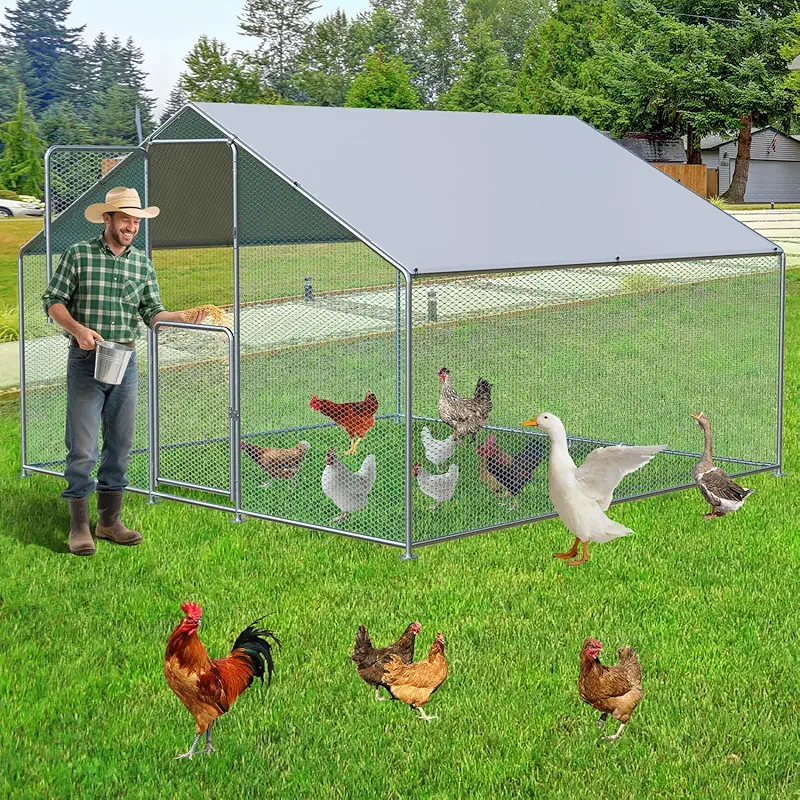
Imagine your own yard with a calm, roomy metal coop as the heart of the flock.
If you feel ready to look at some ideas and shapes, you can quietly browse a range of large metal runs and see what matches your flock and your space.