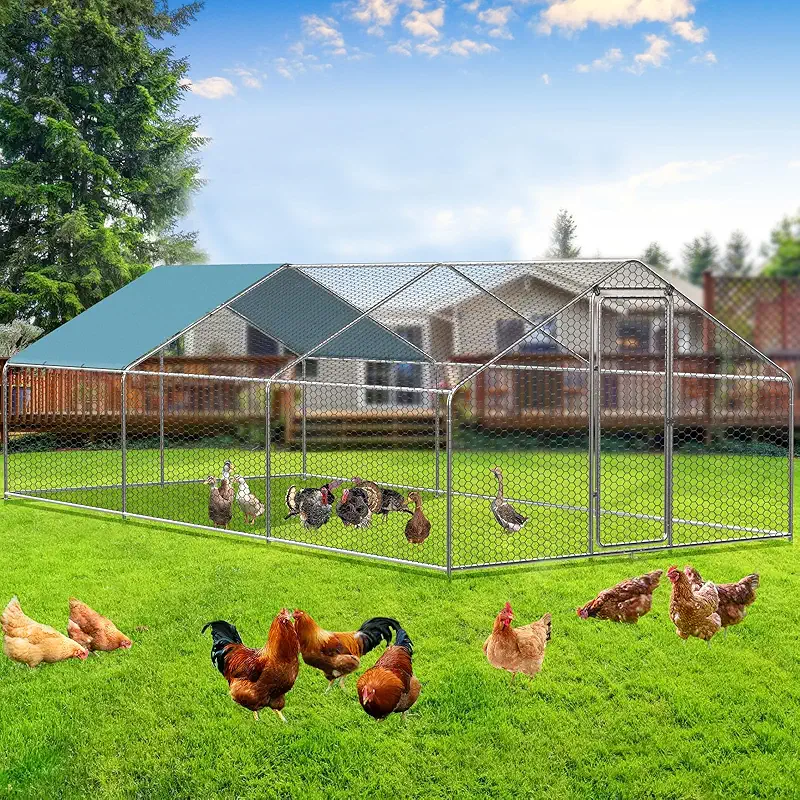
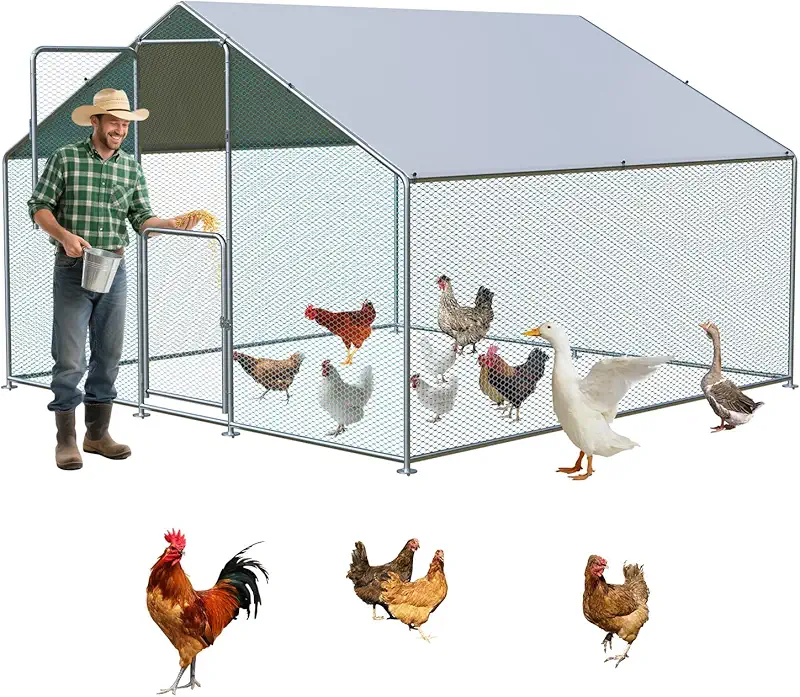
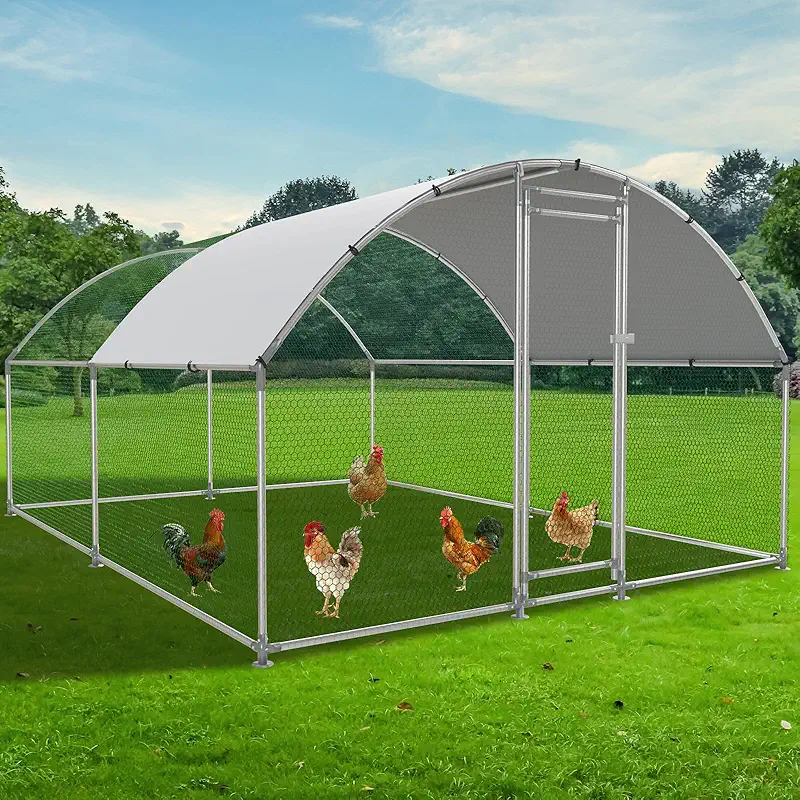
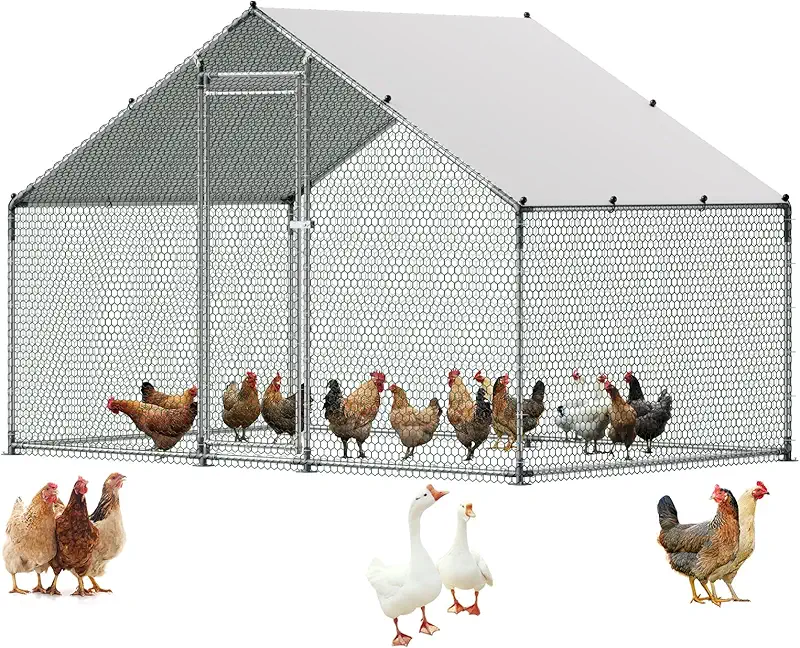
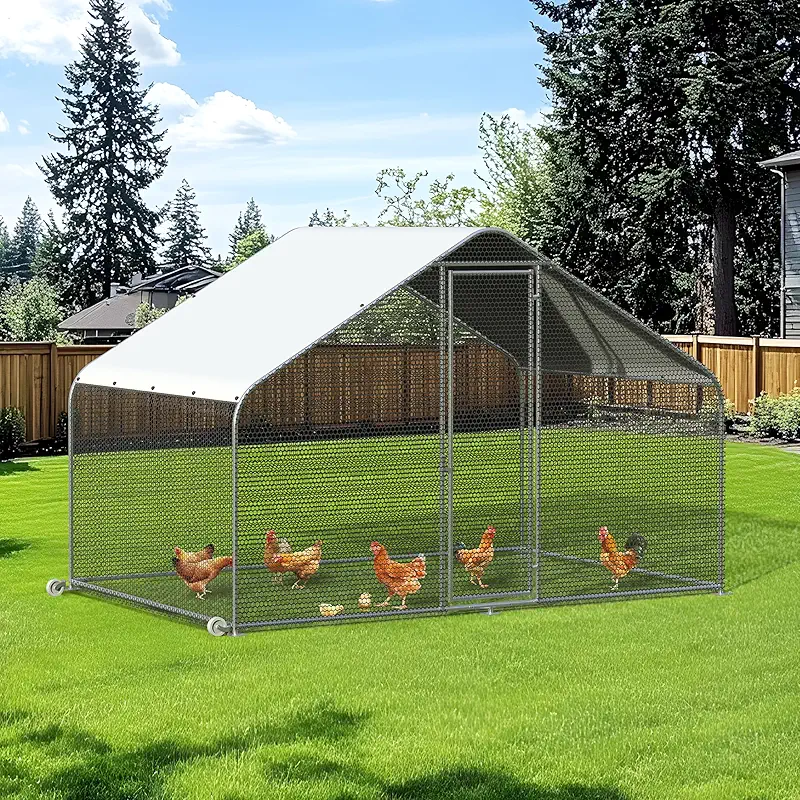
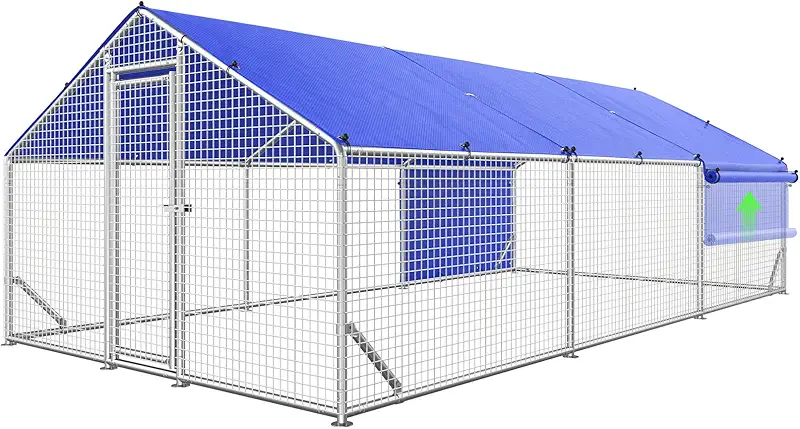
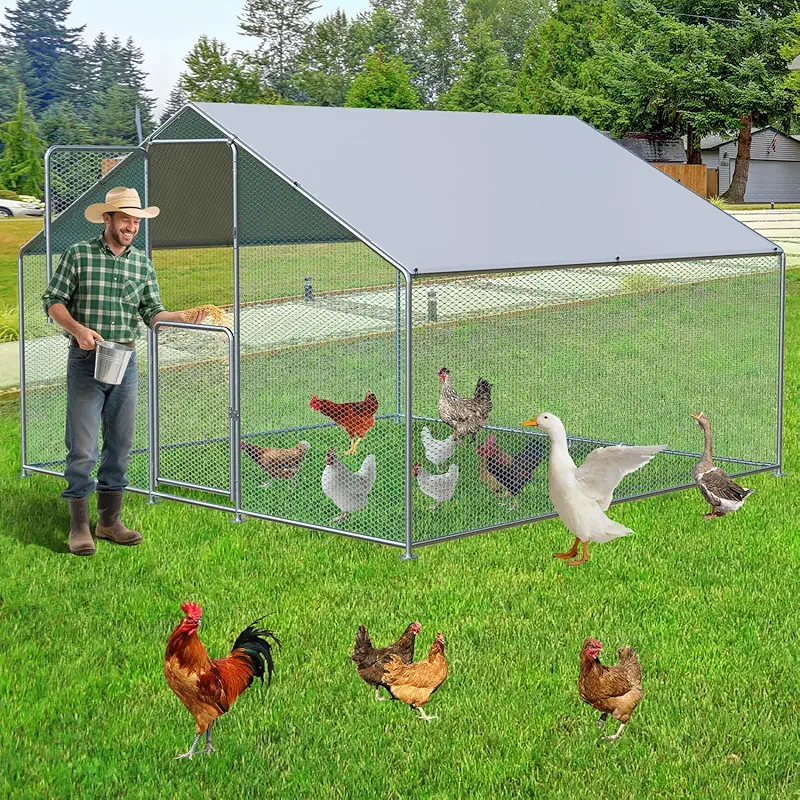
Why a metal chicken coop and run feels so safe
I started with a tiny wooden coop that I built myself. It was cute, but every time I heard a noise in the night, I grabbed a flashlight and went outside. One night I found raccoon prints all around the coop. The wood was scratched, the wire was bent, and my heart was hammering. That was the moment I decided to move to a solid metal chicken coop and run.
Metal gives me something very simple: peace. When I close the door in the evening and hear that solid click, I know I have done my best for my hens. Good welded wire and strong frames stand between them and whatever is sneaking around in the dark.
For me, a metal run is not about looks. It is about going to bed without that small knot of worry in my stomach, knowing my flock is behind real, hard boundaries.
With a metal setup, I do not worry when the wind picks up or when a fox passes by. I have seen foxes pacing outside my run, looking for a weakness they never found. My hens just keep preening and dust bathing, almost unaware that danger is so close.
How a metal chicken coop and run changed my daily routine
Before I switched to metal, cleaning day was something I dragged out as long as I could. The old wooden pen soaked up smells and stayed damp for ages. Cobwebs collected in the corners, and it was easy for mites to hide in every little crack.
With a metal chicken coop and run, everything feels cleaner. I can hose down the wire and the floor of the run, watch the mess slide away, and know the surfaces will dry quickly in the sun. When I sprinkle fresh sand or dry bedding, the place looks almost new again.
My favorite change is how easy it is to see everything. No dark hidden corners, no rotting boards. Just open sight lines, fresh air, and hens that move around with relaxed, curious body language. That is the moment I know the setup is right: when the chickens forget about the walls and just start living.
Weather, shade and comfort in a metal chicken coop and run
Metal can be a blessing in all seasons if you handle it well. The first summer I used a big metal run, I watched how the shade moved during the day. Where did the hens nap at noon? Where did they choose to dust bathe? This told me where I needed more cover.
A simple roof tarp over part of the metal chicken coop and run gives them a dry place in rain and a cool corner when the sun is sharp. I like to angle the cover slightly so water slides off rather than pooling. On one side of my run, I also fixed a windbreak panel for winter, so the hens can tuck themselves away from the icy breeze.
Ventilation is the quiet hero. Metal frames make it easy to keep the run open and airy while still safe. I watch for condensation on cold mornings, and if I ever see it, I improve airflow rather than just packing on more insulation. Dry air keeps lungs clear and combs healthy.
I’ll check sturdy roofs
Easy cleaning routines with a metal chicken coop and run
Cleaning day used to feel like a battle. Now it is just another quiet rhythm with my hens. With a metal chicken coop and run, I like to keep things simple and regular instead of heavy and rare.
My usual routine looks like this:
- Daily: Quick rake of the run floor where droppings gather, top up dry areas with a bit of sand or fresh bedding, and a short look at corners and joins.
- Weekly: Hose down any stubborn spots on the metal mesh and tidy up cobwebs. Check for rust starting anywhere and treat it early if I see it.
- Monthly: A deeper clean of perches, nest boxes, and the doors, plus a good airing with all doors wide open on a dry day.
Metal takes water well, and it dries fast with sun and breeze. After a good clean, my hens often rush back in, scratching through the fresh ground and chatting to each other. That small chorus is one of my favorite sounds.
Let me see sturdy ones
A few metal chicken coop and run styles I keep coming back to
Everyone’s yard and flock are different, but there are certain designs I find myself recommending again and again. When I browse metal runs, I tend to stop at three main styles.
Walk-in height
Family friendly
Expandable
This type of metal chicken coop and run stands high enough for you to walk in without bending. I love these when I have children or guests helping. They can step right in, scatter a handful of grain, and stand quietly while the hens surround them with gentle clucks.
Most tall runs connect easily with a small wooden or metal house inside, or they come as a kit. The roomy inside makes it simpler to set up perches, dust bath areas and even a small bench for a quiet moment among the flock.
This looks like me
Compact
Backyard
Starter flock
When yard space is limited, a low metal run can still give hens a safe outdoor area to scratch and explore. These are shorter, so you may not walk inside comfortably, but they fit nicely along a fence line or behind a shed.
I see these as a first step for many new keepers. You can always connect a second run later or let the birds free-range under supervision. As long as the mesh and frame are solid, small can still be kind.
Maybe this suits us
Coop + run
Simple
Quick start
Some setups include both the house and the metal run in a single design. These can be helpful if you want to get started without planning every detail. You set it up, add bedding, food and water, and your hens can move in.
When I look at combos, I pay extra attention to the sleeping area. Are there enough nest boxes? Are the perches smooth and placed higher than the nests? A good combo keeps the inside cozy and the run spacious enough for daily life.
I’ll explore combos
FAQ about choosing a metal chicken coop and run
Is a metal chicken coop and run too hot in summer?
Metal on its own can get warm, but the birds are not sitting on bare metal in the sun. The key is shade and airflow. A roof cover over part of the run, a few shade cloths on the sunny side and good ventilation make a metal setup comfortable even on hot days. I also put extra water stations and keep the ground slightly damp in one corner when the heat is extreme.
Will my hens be cold in a metal chicken coop and run during winter?
Chickens handle cold better than damp. With a metal run, the important thing is to give them a dry, draft-free sleeping area and a place to escape the wind during the day. I add a windbreak panel, deep dry bedding and keep the air moving gently so moisture does not build up. My hens have done well through freezing nights in this kind of setup.
How many chickens can I keep in one metal coop and run?
It depends on the exact size, but I prefer to think in terms of comfort instead of maximum numbers. Around 4 square feet per bird inside the coop and 8–10 square feet per bird in the run keeps my flock calm and friendly. If you are unsure, choose a size that feels a little generous rather than just enough on paper.
Are metal chicken coops and runs hard to assemble?
Most metal runs come as kits with labeled pieces and simple hardware. I have put them together with one helper and a free afternoon. It feels a bit like building a big, purposeful puzzle. A rubber mallet, a decent screwdriver and taking your time with the instructions make the process smoother. Once it is up, you rarely have to do more than small checks and touch-ups.
Can I move a metal chicken coop and run to a new spot?
Many metal runs can be moved, especially the lighter models. I have shifted mine by taking off the roof cover, asking for a couple of helping hands, and lifting or dragging it slowly to a fresh patch of ground. If you know you may move it often, choose a design that is not anchored too deeply and keep the base clear of heavy structures.
I’ll look with fresh eyes