
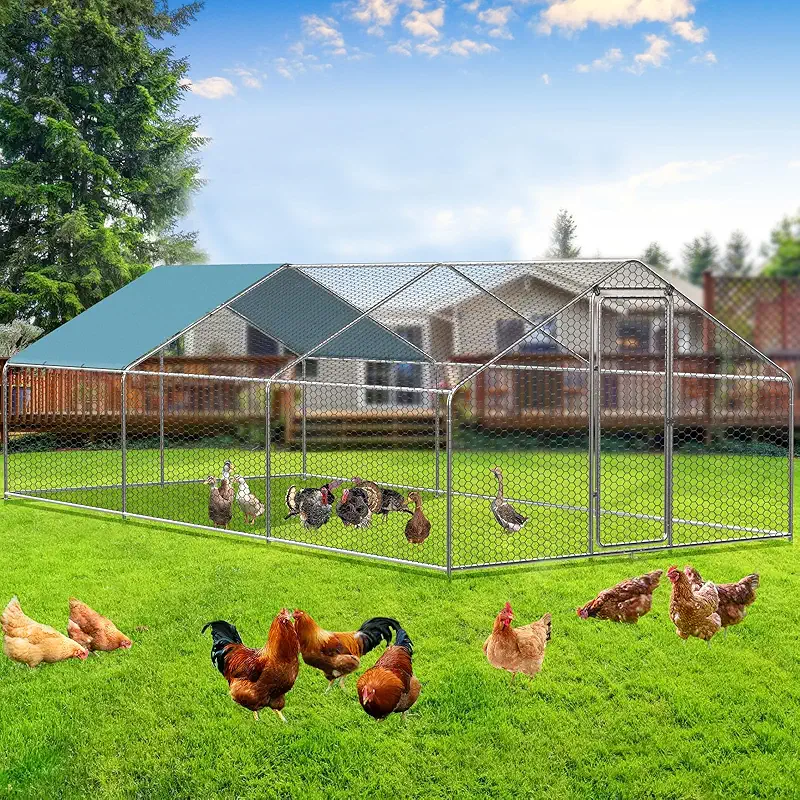
Why I moved from wooden coops to metal ones
I started my chicken journey with a small wooden coop my kids helped me paint. It looked cute, but after the first winter I saw the problems very clearly. The floor stayed damp, mice chewed in, and red mites loved all the little cracks. My hens were still laying, but they did not seem as relaxed as they should be.
After one rough stormy night, I went out with a flashlight to check the flock. The old wooden walls had soaked up water and felt almost soft. I remember standing there, hens muttering softly around me, and feeling that I had not given them the safe home they deserved. That was the night I decided to look for a stronger, safer metal chicken coop for sale.
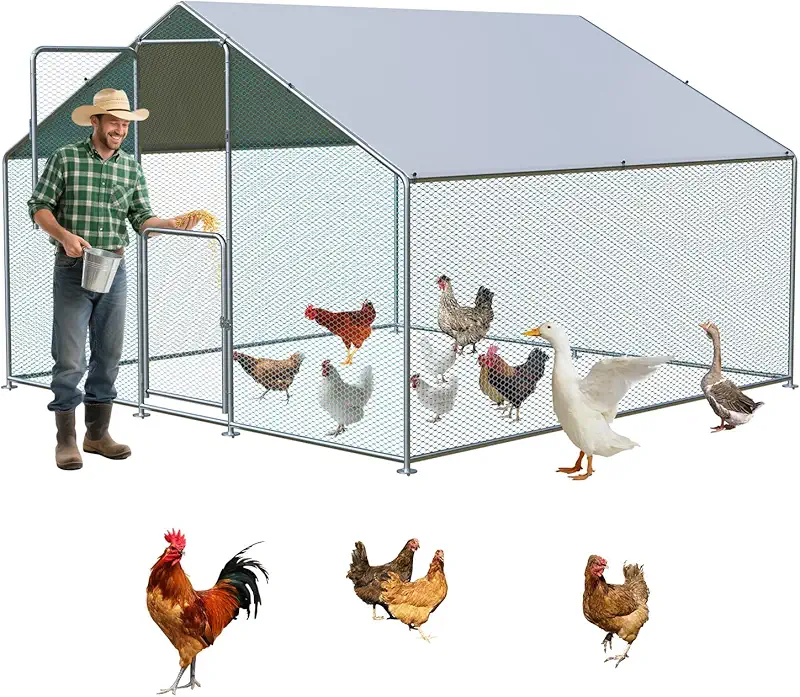
When the first metal run arrived, I remember the sound of the tubes clicking together. It felt solid in my hands, very different from the light softwood I was used to. I set it up around the old coop at first, just as a safe daytime run. The change in my hens was almost instant. They had more space, they could dust bathe where hawks could not reach them, and they stopped pacing nervously along the fence.
These days, I still love the look of wood, but I trust metal frames when it comes to predators, wind and time. It is not about building a fortress. It is about quiet, steady safety that you and your birds can feel every single day.
How to choose a metal chicken coop for sale that really suits your flock
When you look at any metal chicken coop for sale, the pictures can be a bit confusing. Everything looks neat and shiny, but you cannot see how it feels at 2 a.m. in the rain, or on the first hot 4th of July evening. I will walk you through the things I check, the same way I would walk a friend around my own coop.
1. Size: think like a hen, not like a product page
Numbers on a screen do not always match real life scratching, flapping and dust bathing. I like to think in “hen-mom space” instead of square feet. Here is what usually works for calm, happy birds:
- At least 4 square feet of indoor shelter per hen for sleeping and bad weather.
- At least 10 square feet of run space per hen if they will stay mostly inside the metal coop area.
- Extra room if you know you will add more hens later. Most of us do.
My rule is simple: if I cannot imagine my shyest hen getting away from the bossy one, the coop or run is too small. Space is not just comfort; it is peace in the flock.
2. Frame strength and joints
When I look at a metal chicken coop for sale, I always zoom in on the joints and connectors. Wind and predators do not test the straight metal tubes as much as they test the weak points.
- Thicker galvanized steel tubes feel solid when you push them.
- Good connectors hold tight without wobbling or bending.
- Diagonal braces help the coop stand strong in storms and heavy snow.
One autumn we had a strong storm that bent trees on the property line. My metal coop run flexed a little but did not twist or lean. In the morning, my hens walked out to greet me as if nothing had happened. That quiet moment of relief was worth every dollar I had spent.
3. Wire mesh: where security really lives
The metal frame is the skeleton, but the wire mesh is the skin of your coop. Loose or thin mesh is an open invitation for raccoons and dogs.
- I look for small mesh openings so raccoon paws cannot reach through easily.
- Sturdy wire that does not bend with a light push from your hand.
- Pieces that can be tied down snugly with enough zip ties or clips.
I also like to bury the mesh a little or fold a “skirt” out along the ground so digging predators give up before they reach the inside. It is not fancy work, just slow, simple protection.
4. Roof and weather cover
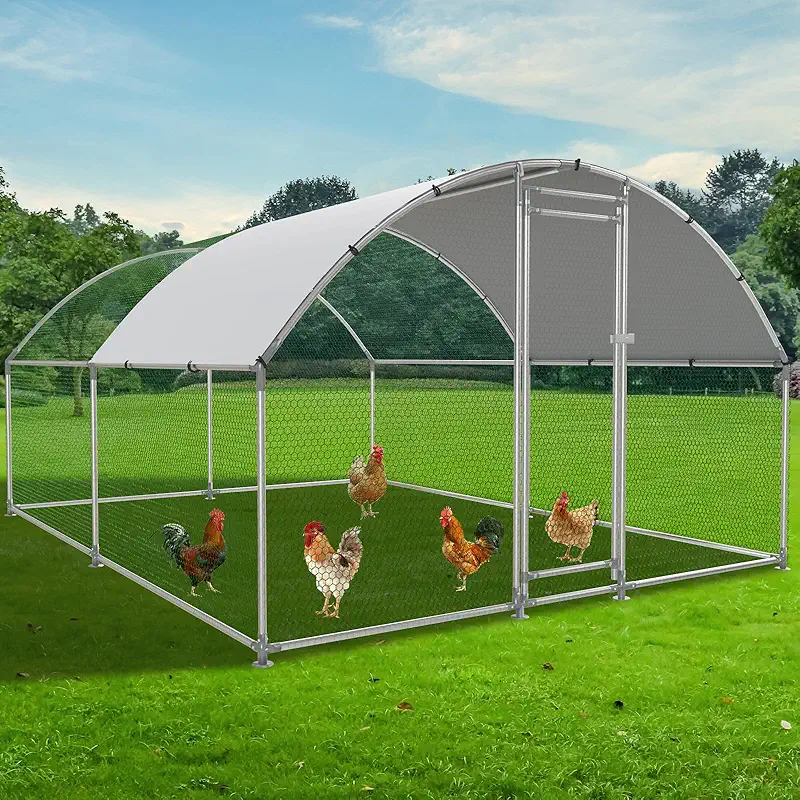
Hens care about three big things: staying dry, staying shaded, and staying out of the wind. When I look at a metal chicken coop for sale, I picture the worst weather we usually get here.
A simple waterproof roof panel over part of the run makes a huge difference. I like coops that already come with a fitted cover, but even bare metal frames work well if I can attach a strong tarp or metal roofing later.
5. Doors and daily use
Every day you will carry feed, water and clean bedding in and out. If getting inside the metal coop feels awkward, you will dread chores, and they will be rushed instead of kind and careful.
- Look for a human-sized door you can walk through without crouching too much.
- Check if you can open latches with cold or gloved hands.
- Imagine where feeders, waterers and nesting boxes will fit.
A coop that is easy for you to use will almost always be a better coop for your birds. When chores are simple, you notice small changes in your hens sooner: a dull comb, a hen limping, or someone not coming down from the roost.
Real-life ways I use metal coops with my flock
When you see a metal chicken coop for sale online, it might look like just a big shiny cage. In real life, it can become several different “rooms” for your flock, depending on how you set it up.
A safe daytime playground
My main metal run is attached to the wooden house where my hens sleep. During the day they come down the ramp and spend hours scratching in the covered metal area.
I scatter a little scratch grain in the straw, hang cabbage from the wire mesh, and lay old logs inside so they can hunt for bugs. I know that even if I have to be away for most of the day, they are as safe as I can make them.
A gentle space for young or new birds
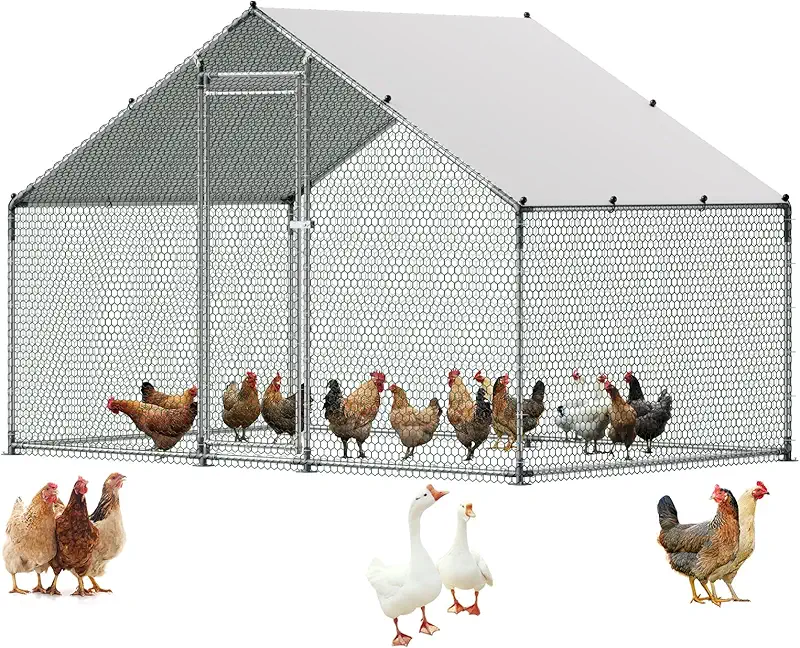
Introducing new hens to an existing flock can be noisy and stressful. I use one of my smaller metal coops as a “getting to know you” pen. New birds live there where everyone can see each other through the mesh, but no one can peck or chase.
I remember one little pullet, Daisy, who was always at the bottom of every group. In the metal pen she had her own feeder and perch. After a couple of weeks of calm living, she walked into the main flock with much more confidence.
Rotating pasture without losing safety
If the metal frame is light enough, you can move it to fresh grass once in a while. It is not as free as total free-range, but it is a kind balance. Your hens still feel the earth, eat fresh greens and bugs, but you do not lie awake listening for coyotes.
We have a simple routine: when the ground under the coop starts looking bare and dusty, we slide or roll it to the next patch and give the old area time to rest.
Questions people quietly ask about metal chicken coops
Metal can get warm in the sun, but the real issue is airflow and shade. I always make sure at least part of the roof is covered with a tarp or solid cover, and I leave plenty of open mesh on the sides for cross-breeze. In my hot months, I also add a simple shade cloth and keep fresh cool water in two different spots. With those small steps, my hens handle summer just fine.
Hens handle cold better than dampness. Metal walls do not breathe like wood, so I focus on dry bedding and good ventilation up high. I block direct drafts at chicken level and use plenty of straw or shavings. I also keep water from freezing and make sure combs are dry at night. Inside a well-managed metal coop, my birds have stayed healthy through snow and ice.
Most metal chicken coop for sale options now use galvanized steel, which holds up well in normal backyard use. I check joints and spots near the ground once or twice a year. If I see any small rust starting, I clean that area and use a bit of metal paint. With simple care, my first metal coop has lasted many seasons without serious rust problems.
A well-built metal frame is heavy enough to stay put if you anchor it properly. I always stake the legs or corners to the ground and, in very windy areas, I add a couple of ground anchors with straps. Before storms, I remove any loose tarps that might catch the wind. With those habits, my metal coops have come through rough weather better than my old wooden sheds.
For me, metal has been easier. Smooth tubes and mesh mean fewer cracks for mites and dirt to hide in. I take a hose or a bucket of soapy water once in a while and scrub the spots that get messy. On dry sunny days, the metal dries quickly. Deep cleaning that used to take me a whole afternoon in wooden coops now takes much less time, and the hens go back in to a fresh, sweet-smelling home.