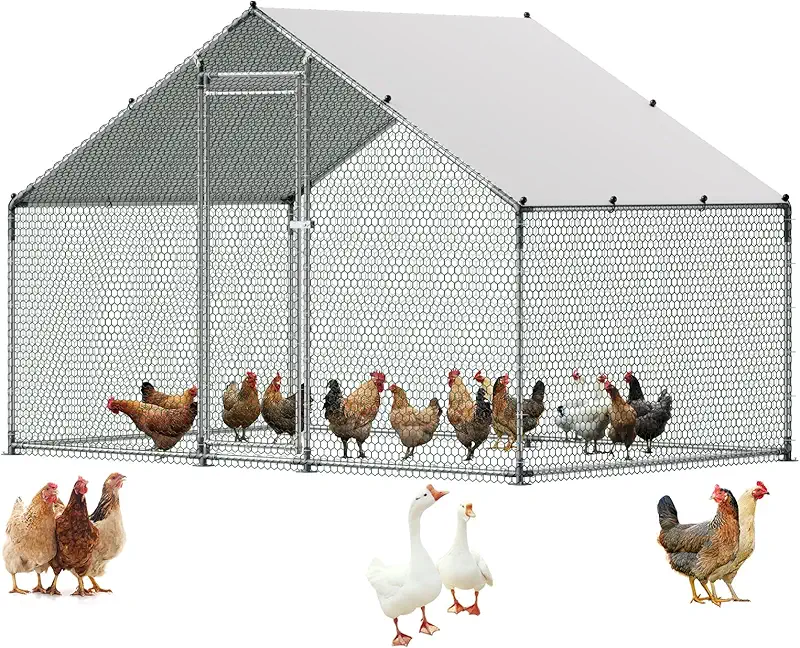
Compact metal run for 4–6 hens
Budget-friendly, starter size
- Good for a first flock of 3–6 hens.
- Easy to cover for shade or wind.
- Quick to check every corner for safety.

Metal chicken coop on sale – how I choose safe, calm homes for my hens without wasting money.
I still remember the first night my flock slept in a solid metal coop. The wind was howling, a branch fell in the yard, and my old wooden run shook like an old wagon. The metal coop did not move. My hens just rustled on the roost, then went quiet again. That night I slept well too.
If you are looking for a metal chicken coop on sale, you are probably like me: you love your chickens, you want them safe, and you do not want to pay for fancy decorations you do not need. In this page I share what has really worked for my flock, what has failed, and how I now read a product page with a calm, practical eye.
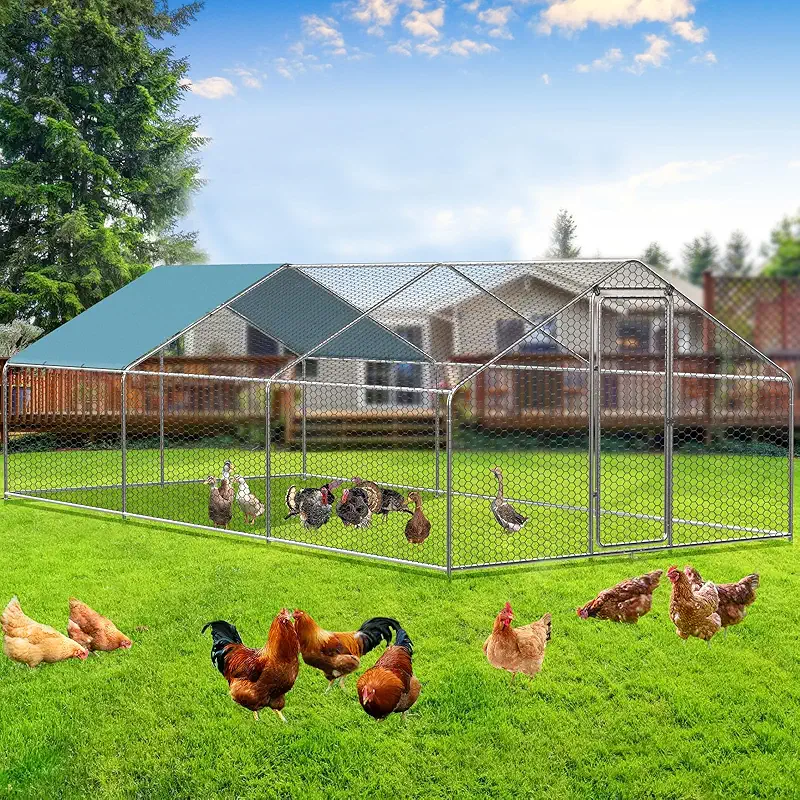
I started with a cute little wooden coop from a local ad. It looked sweet in the pictures. In real life it was small, the hinges rusted in one season, and the roof started leaking over the nesting box. I still feel a bit guilty when I remember one wet autumn morning, opening the door and seeing damp straw under my hens.
After two years of patching that coop, I finally decided to go for a sturdy metal run with a simple shelter inside. It did not look “Instagram pretty”, but my hens stopped getting damp, and predators stopped testing the walls. That is when I started to take metal coops seriously.
One night a stray dog tried to get into the run. I heard the noise, grabbed a flashlight, and ran outside. The dog was jumping on the side panels, but the metal frame and wire kept their shape. The girls were alarmed, but safe. In the morning the coop looked normal, only a small bend on one bar.
Since then, I always check three simple things whenever I look at a metal chicken coop on sale:
These details sound boring, but they decide if you sleep well or worry every time you hear a noise in the yard.
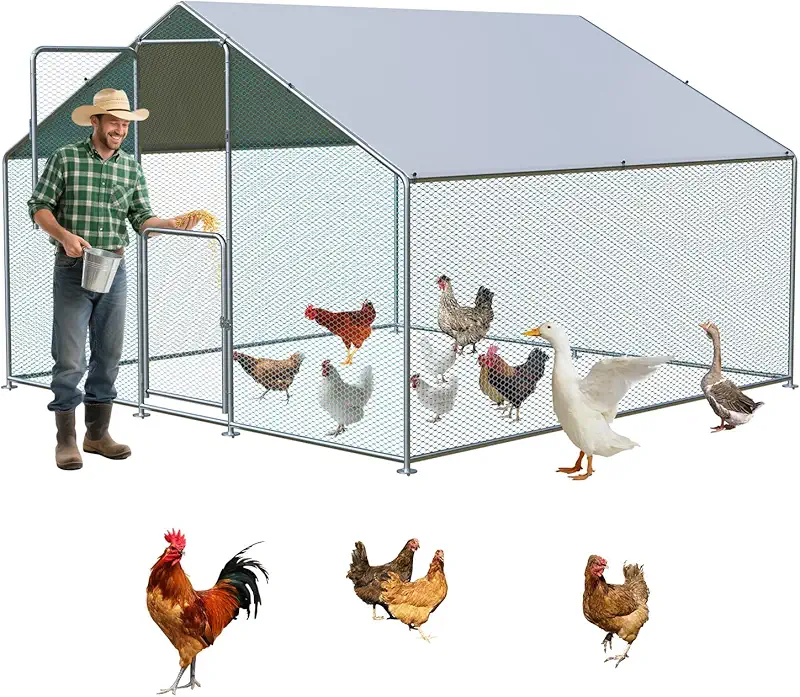
I like open-air metal runs like this because I can see my hens from the kitchen window and they get plenty of daylight while staying safe.
Every backyard is different, and every flock has its own habits. Some hens love to roam and explore, some are quiet and stick close to the feeder. When I help friends pick a new coop, I always start with three simple questions: How many hens? How cold is your winter? How much time do you really have every day?
Listings often use nice words like “spacious” or “large”, but chickens do not read words, they live in square feet. As a general rule, I aim for:
If I see a metal chicken coop on sale with a very long title but vague measurements, I move on. I want clear length, width, and height. I even draw it on paper sometimes or step it out on the ground with my feet before I decide.
In summer, my girls complain more about heat than about a bit of drizzle. A metal coop with no good cover will turn into a baking tray under strong sun. When I scan product photos I look for:
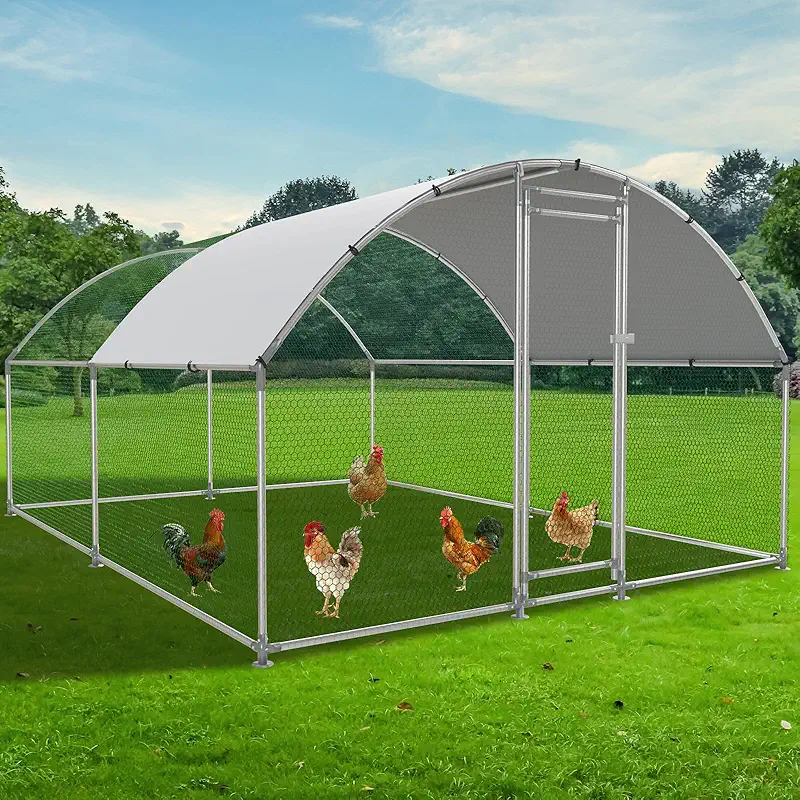
Little tip from my own mistakes: if the listing includes a tarp roof, check its thickness and reviews. A strong frame with a flimsy cover only moves the problem a few months ahead.
I once bought a coop with a very low door because it looked clever in the picture. After one month of bending and banging my head, I sold it. Now I ask myself: “How will this feel on my back in February rain at 6 a.m.?”
On each metal chicken coop on sale I check:
To make things easier, let me share three common setups from my own yard and from friends I have helped. Each one fits a different lifestyle. When you browse any metal chicken coop on sale, you can think: “Which of these three does it feel like?”
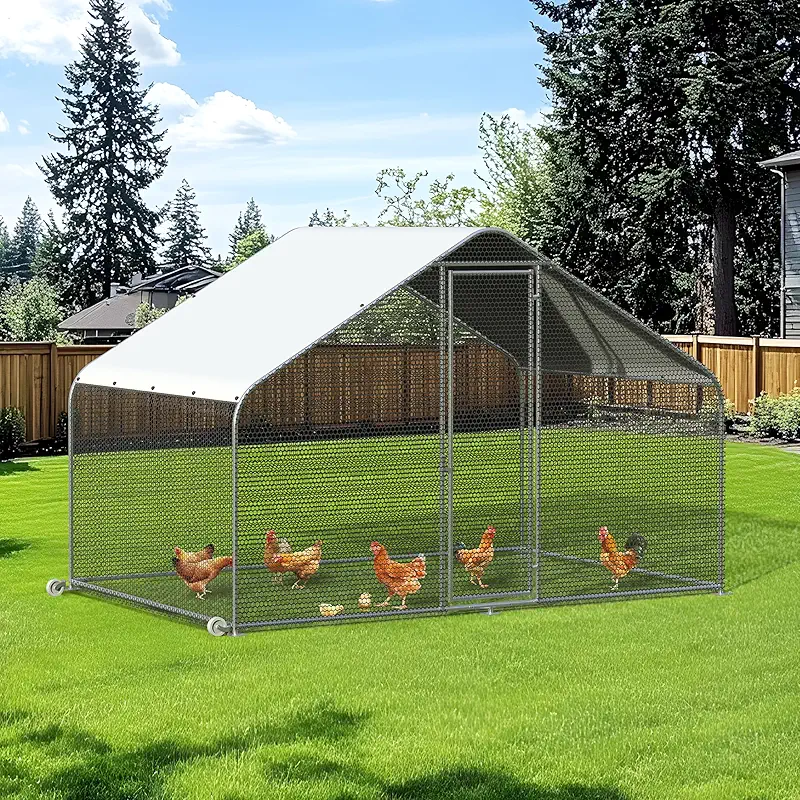

When you browse any metal chicken coop on sale, it is easy to get lost in photos. I try to slow down and look for the little things that will matter on a cold, muddy evening when I just want to get back inside.
I tap the tubes when I assemble a coop. Thin tubes ring like a bell. Thicker ones feel heavy and dull. Of course, you cannot tap a product photo, but you can check:
Push-button connections are fast but can feel loose over time. Bolts take longer to put together, but when I tighten them well, they stay put through storms.
Predators rarely walk through a door. They test the weak spots. I once lost two young birds because a fox lifted the edge of a light run that had no wire apron on the ground. Now, when I see a metal chicken coop on sale that includes ground mesh or an apron, I smile.
I like:
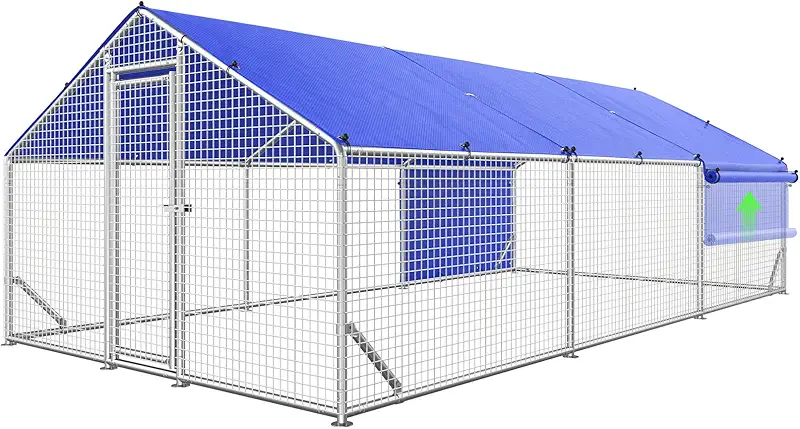
I often add my own hardware cloth along the bottom two feet of any coop, even if it comes with mesh. It is a small extra cost but gives me real peace of mind.
A metal frame is strong, but your hens still need comfort: a dry floor, a draft-free corner, and a spot out of the wind where they can chat quietly and preen. When I look at photos of a metal chicken coop on sale, I imagine where my calmest hen, Daisy, would sit on a rainy afternoon.
I check:
A good coop is not just safe; it should also make your daily routine gentle and simple. Let me walk you through one of my usual days with my metal run, so you can picture how your own life could feel.
I go out with a mug of warm tea, even in winter. I open the run door, step inside without bending, and say good morning. The metal floor frame stays firm under my boots, even after heavy rain. I shake out any damp bedding under the roost, top up feed, and change water. It all takes 10–15 minutes.
If I am home, I like to sit nearby while I make a phone call or just breathe. I watch them dust bathe, stretch their wings, and quarrel over the nicest spot on the perch. Having a solid metal run means I can relax even if a hawk circles above; the birds are curious, but safe.
At dusk, my flock lines up at the door of their sleeping box, and I simply close the run door, check the latch, and walk back to the house. I do a quick walk around the coop to see if any panels have moved or if any wire looks bent. It rarely does, but this small habit has caught a few early problems before they turned serious.
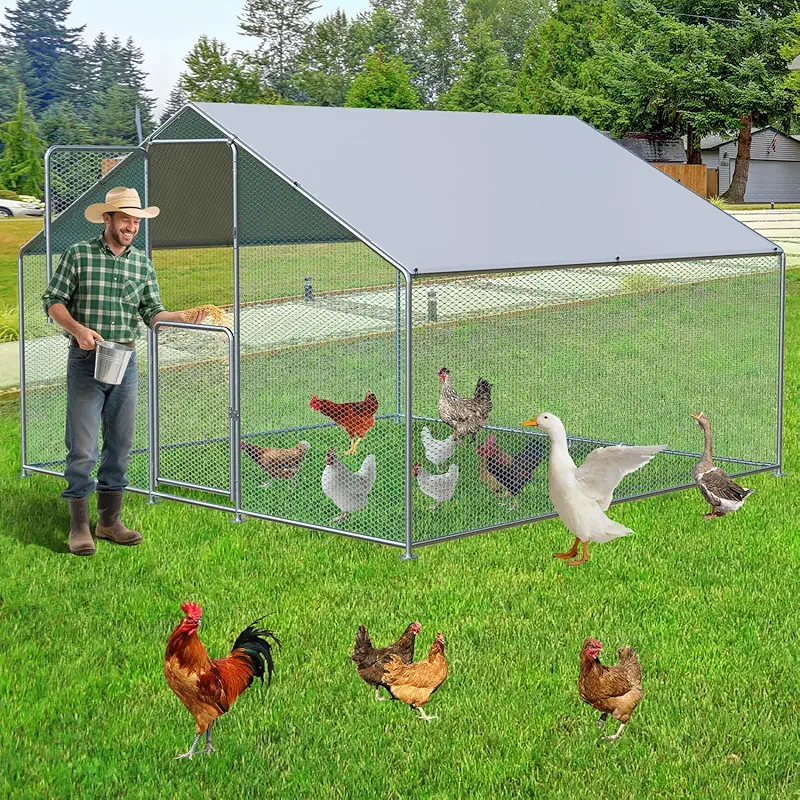
For me, a good metal chicken coop on sale is one that disappears into the background of daily life. It just works. It does not demand repairs every weekend, and it does not scare the hens every time the wind picks up.
If you feel your current setup is always “almost good enough” but not quite, it might be time to look calmly at a stronger frame, better mesh, and a layout that fits your own body and schedule, not some ideal photo.
It depends on the size of the coop, not just the label on the box. For most backyard flocks, I suggest at least 4 square feet of indoor shelter and 8–10 square feet of run per hen. If a metal chicken coop on sale claims to hold 10 hens but offers less than that, I treat that number as marketing, not reality. Slightly fewer birds in the same space are usually calmer and healthier.
They can get hot if they have no shade, just like a car in the sun. What matters is airflow and cover. I like coops with at least one solid roof panel or tarp, plus some shade cloth on the sunny side. Inside my own metal run, the air moves freely and my hens seek the shaded corner when the sun is strong. I also place water in the shade and sometimes add a frozen water bottle to the drinker on the hottest days.
A good frame should be galvanized, which helps it resist rust for many seasons. When I scroll through listings of any metal chicken coop on sale, I look for the word “galvanized steel” or similar in the description. I also avoid scratching the coating during assembly. On my oldest run, after several years, I only see light rust near cut edges, and even that is small. A quick touch of rust paint there now and then keeps it going.
I like to have a cosy sleeping box or wooden coop inside the metal run, especially in colder areas. The metal frame gives strength and predator protection, while the inner house gives warmth and a dark, quiet place to lay eggs. Some people use plastic houses instead of wood, which are easier to clean. If your climate is very mild, a well-sheltered corner with good roosts may be enough, but most hens appreciate a snug box in winter.
I imagine I am the predator and look for weak points. Could I lift the edge? Is there a gap bigger than 1 inch near the door? Could I push the latch open with clever fingers? A strong metal chicken coop on sale should have secure latches, tight mesh at the bottom, and a way to stop digging, like an outward wire apron. Reviews that mention raccoons, foxes, or dogs without losses are also worth reading closely.