
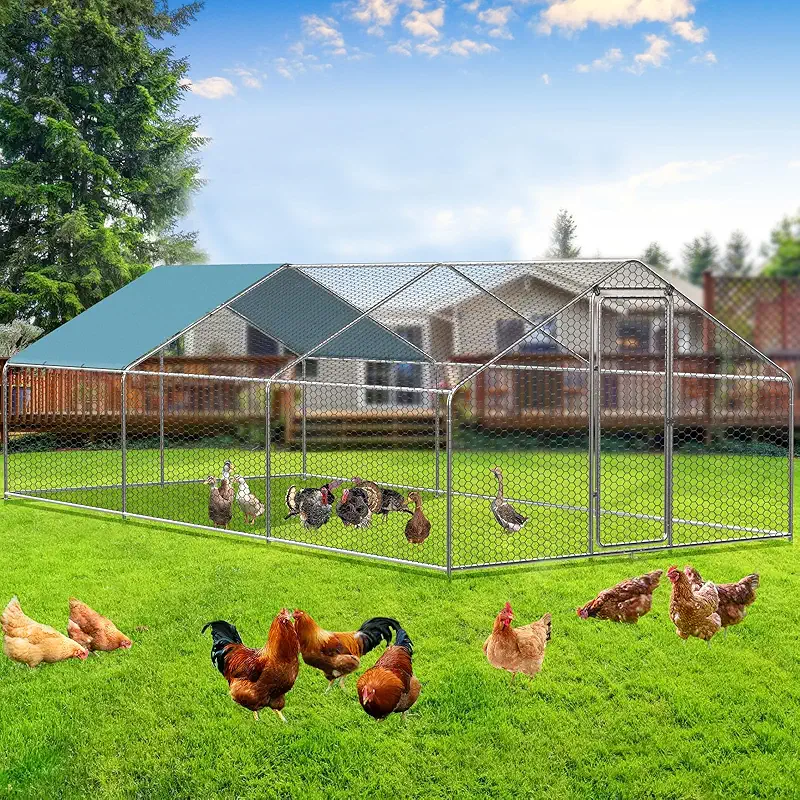
Why metal chicken coop parts matter so much
To someone who does not live with chickens, a coop might just look like a cage. But to me, and probably to you too, it is a little home full of soft clucks, sleepy eyes and warm feathers. Each metal piece is a small guardian between our birds and the big world outside.
When you choose strong and well‑made parts, you are buying peace of mind for the hardest nights: heavy snow, wild wind, barking dogs, curious children and prowling raccoons. I remember sitting by the window one winter evening, listening to ice pellets hit the roof. I felt calm because I knew every corner was braced, every panel tied, every door latch firm.
Key metal chicken coop parts to think about
Over time, I have come to see metal chicken coop parts in little families. Each group has its own job: some keep shape, some keep predators out, some make our daily chores easier on old knees and tired hands.
- Frame tubes and connectors – the skeleton that holds the shape of the coop.
- Wire panels and mesh – the skin that keeps hens in and trouble out.
- Roof supports and braces – the backbone that carries snow and wind.
- Doors, hinges and latches – the moving parts we touch every day.
- Ground anchors and stakes – the roots that tie the coop to the earth.
- Fasteners, clamps and ties – the small friends that hold everything together.
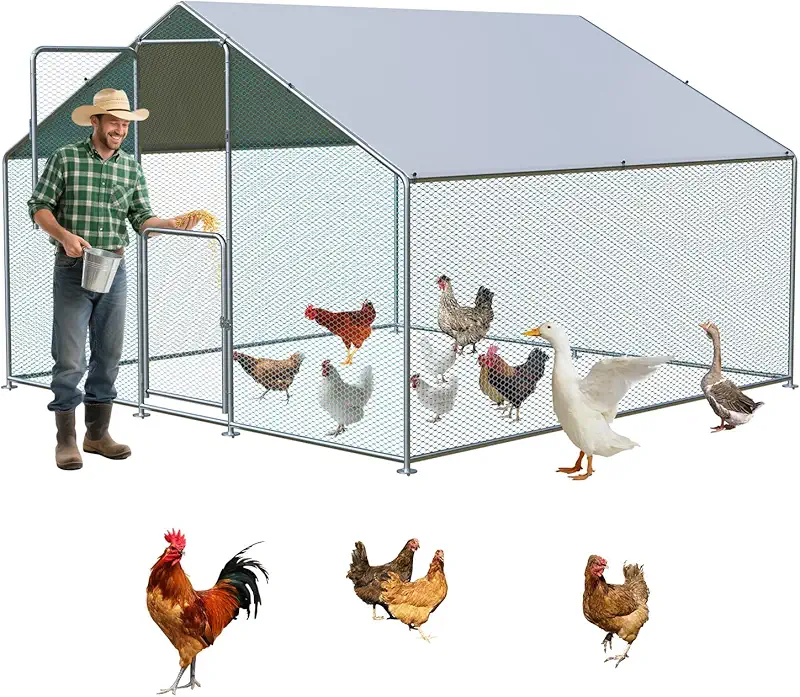
Frame tubes and connectors: the quiet skeleton
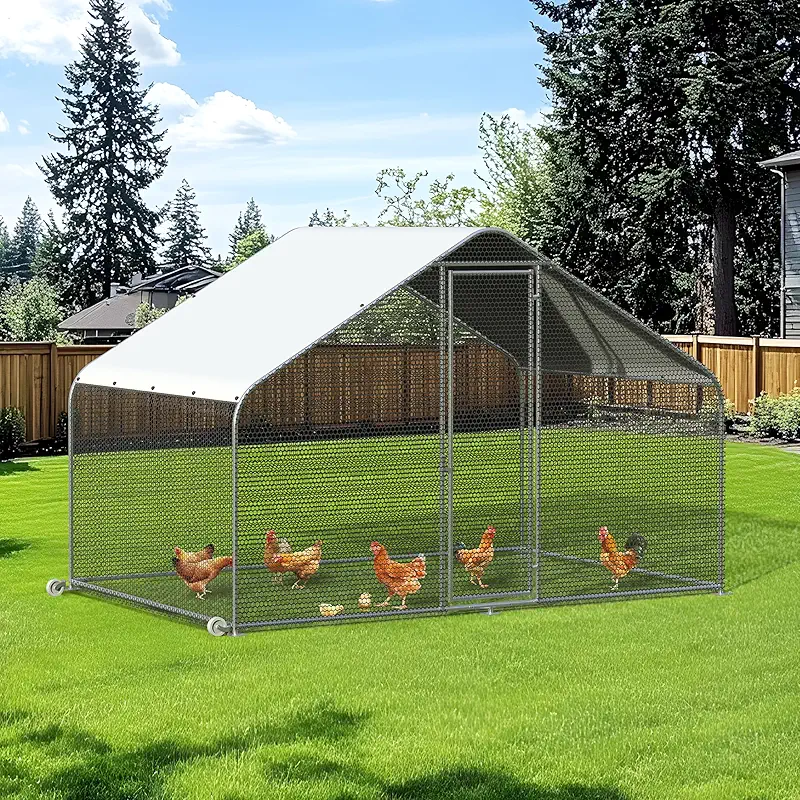
The frame is the first thing I check on any metal coop. I like tubes that feel firm in my hands, with a bit of weight, not thin and sharp like a soda can. Galvanized steel tubing with a good zinc coating has served me well through rain, frost and long sun.
Pay attention to the connectors too. Cheap joints bend, crack or go loose. Strong T‑connectors, corner pieces and cross joints keep the whole structure true and square. When you walk around your coop and gently push the corners, a good frame will not wobble or twist.
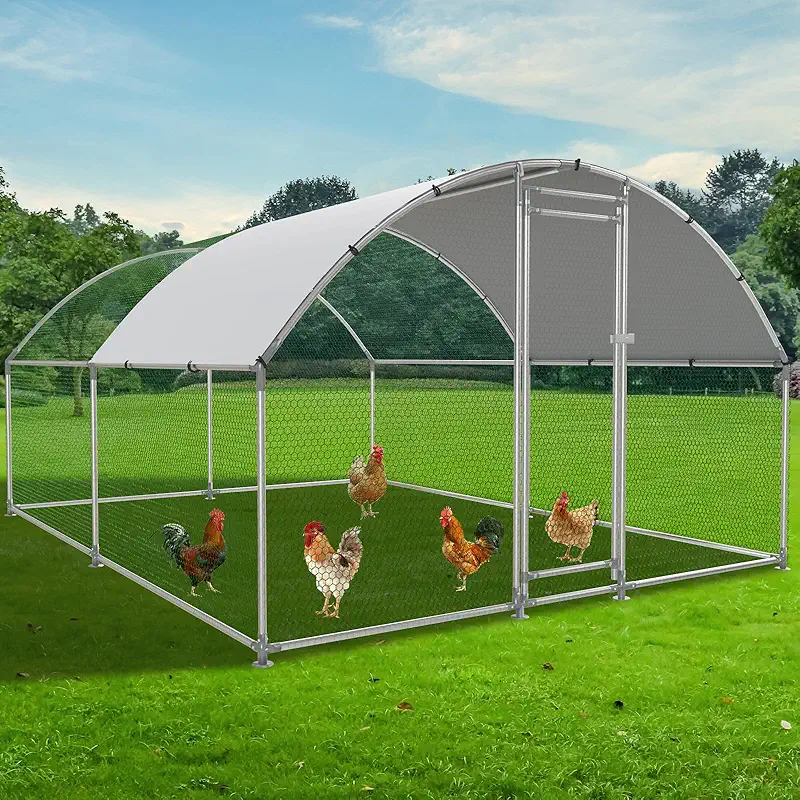
Wire mesh, panels and the art of small gaps
I often joke that predators read measuring tapes. If a gap is big enough for a snout or a paw, they will find it. For adult hens, one‑inch openings in welded wire can work well. For young chicks or for areas with clever weasels, I go smaller – half‑inch hardware cloth.
I had one young rooster, Pepper, who liked to poke his head through any opening he could find. Thin, flexible mesh would bend under his weight, and I worried a dog could pull him through. Once I replaced that section with heavier welded panels held by solid metal clips, he finally stopped testing the fence.
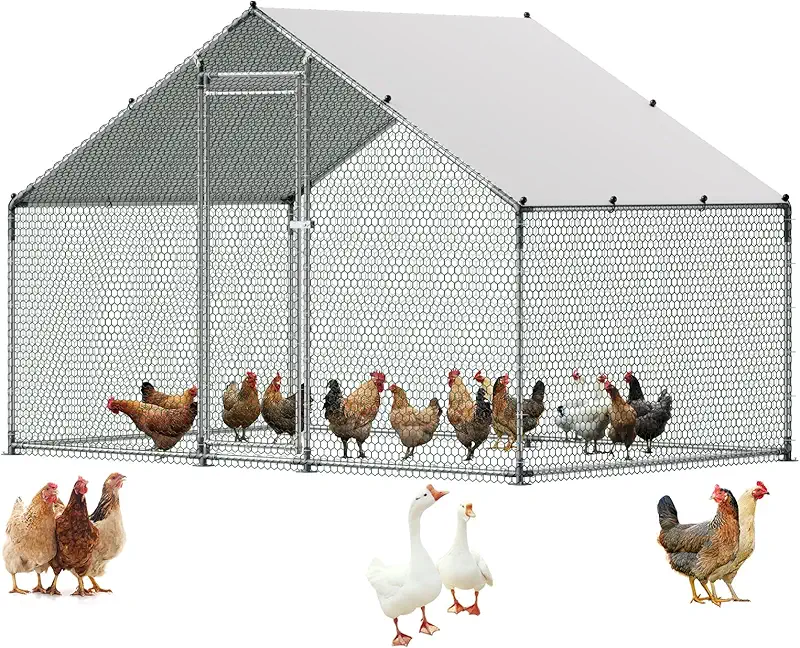
Roof supports, braces and winter worries
Where I live, wet snow can get heavy. One winter, before I really understood roof bracing, I woke up to find a simple shed roof sagging in the middle of my run. Nobody was hurt, but it scared my oldest hen, Ruby, so much that she refused to step under that roof for weeks.
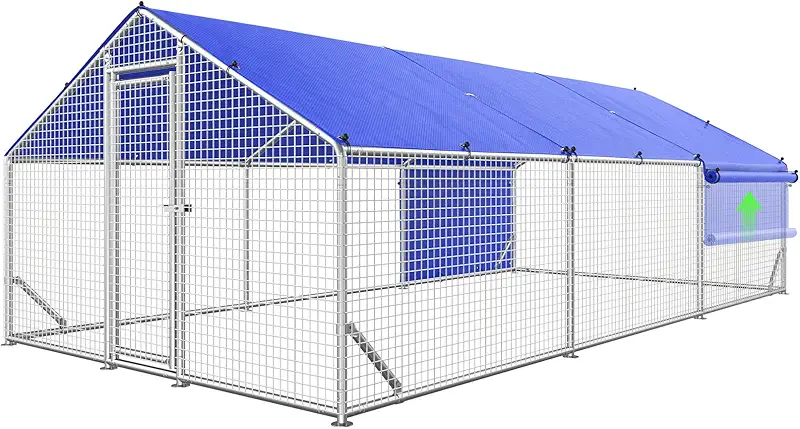
Since then I always look for extra roof supports. Cross braces, diagonal bars and center beams spread the load and keep the shape. When you see a coop kit with more roof pieces than you expected, that is usually a good sign, not a waste.
Doors, hinges and latches: tiny parts, big promises
Every morning I open the coop, and every evening I close it. That simple motion is wrapped around hinges and latches. When they work smoothly, the whole day feels easy. When they stick, rust or shift, my hens get nervous and so do I.
I love wide doors that open cleanly, with metal hinges that are thick enough not to squeak or warp. For latches, I avoid anything that a raccoon could learn to open, which rules out simple hooks. I look for slide bolts, two‑step catches, or carabiner style clips that need a finger squeeze.

Ground anchors, stakes and wind
One of my strongest memories is of a sudden summer gust that rolled a small, lightweight coop in my early days. The birds were shaken but safe, and I learned to treat the wind with respect. Since then, ground anchors have become some of my favorite metal chicken coop parts.
Screw‑in anchors, long stakes and U‑shaped ground pins all help keep the run on the ground, even when the tarp or roof panels catch the wind like a sail. I anchor the corners, the middle of each long side, and any place the land slopes.
Fasteners and little helpers that hold it all together
Clips, clamps, screws, washers, wire ties – these are the tiny friends that never show up in pretty photos, but they decide how long your coop will truly last. I gently tug on every panel and joint while I walk around my runs. If something moves more than a whisper, I add or upgrade fasteners.
I like coated screws that resist rust, wide washers that spread the pressure, and metal clamps that bite firmly onto tubes without slipping. I have learned not to trust thin plastic ties alone for any load that matters. They can be helpful during assembly but I always back them up with stronger metal pieces.
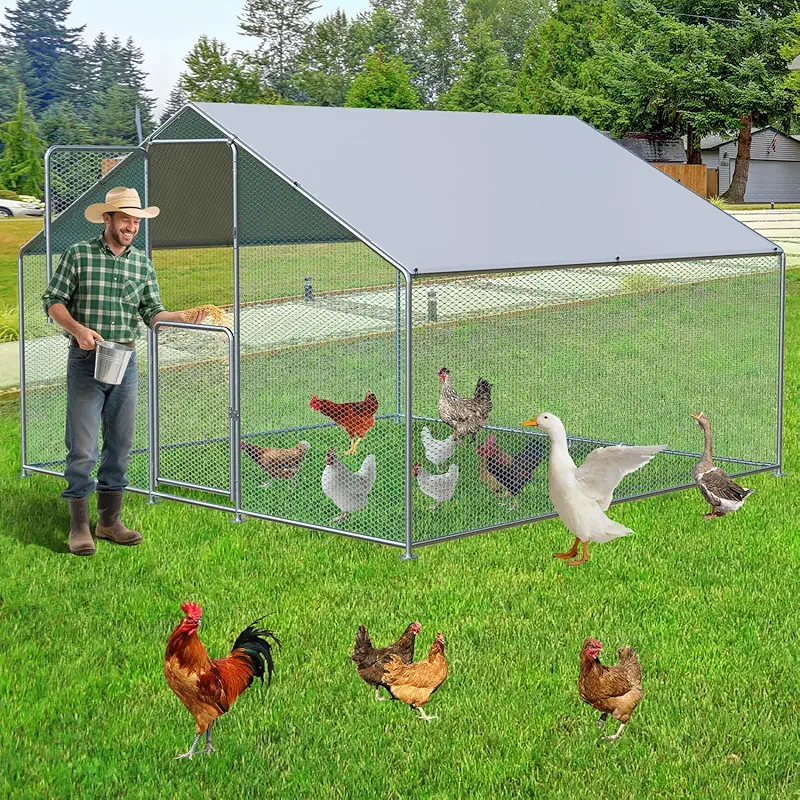
If you are like me, you probably read every review and look twice at every picture before choosing metal chicken coop parts. That careful heart is a gift to your birds.
When you are ready to look more closely at frames, mesh, latches and anchors that match what we have been talking about here, you can follow your curiosity.
I want safer hensSimple tips for choosing better parts
Over the years, a few simple checks have saved me from flimsy pieces and disappointment. They do not take much time, but they make a big difference for my flock.
Lighter is not always better. Tubes and hinges with a bit of weight usually hold up longer to pushing, leaning and climbing.
Galvanized or powder‑coated parts stand up better to rain and droppings. Bare, dull metal tends to rust where you least want it.
Anywhere two pieces meet is a stress point. Extra brackets, cross bars and braces are a sign of thoughtful design, not waste.
Ask yourself, “If I were hungry and clever, where would I try to get in?” Then strengthen that spot with tighter mesh or extra fasteners.
Choose latches, doors and panels that you can manage on cold mornings when fingers are stiff. Your future self will be grateful.
I like parts that can be replaced or tightened without taking the whole coop apart. Simple, standard pieces are easier to live with.
Living with your metal coop through the seasons
The thing I love about good metal chicken coop parts is how quietly they age when you care for them. A quick walk‑around inspection once a month, a few minutes with a wrench or a screwdriver, and everything stays snug and sure.
In spring, when the ground swells and softens, I check anchors and bottom rails. In summer, I look for any sharp edges where the sun and heat have shifted panels. In autumn, before storms, I tighten roof bars and make sure tarps or covers are well clipped. And in winter, I brush off snow before it piles too high.
These little habits turn bare metal into a long‑lasting shelter. More than once, I have stood in a quiet, dry run while the weather roared outside, feeling grateful for every tube, bracket and screw I took the time to choose well.