
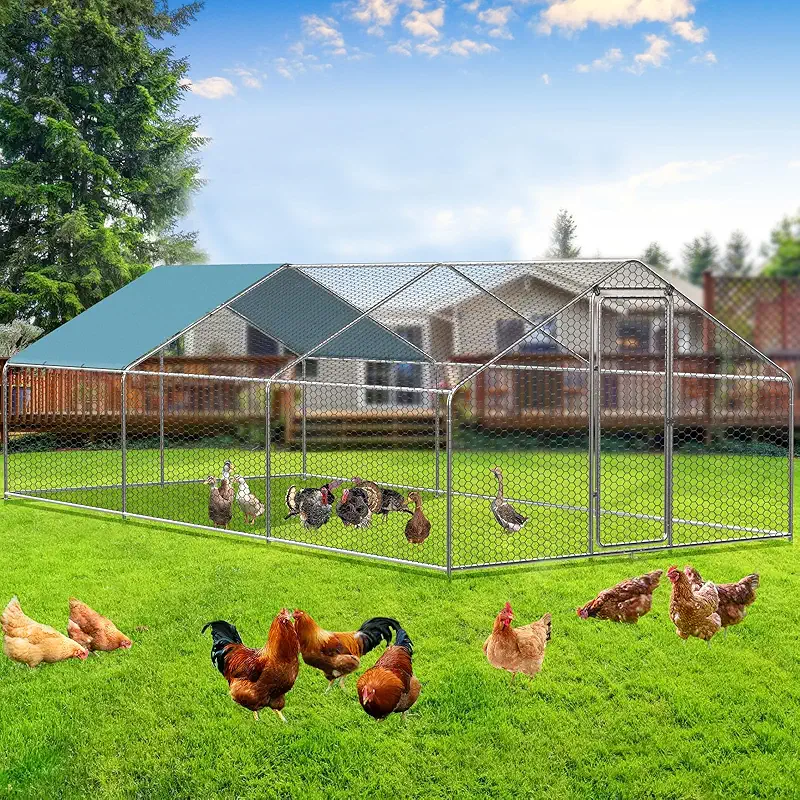
Why the roof is the quiet hero of your coop
When people visit my yard, they always notice the funny way my hens run, the colors of their feathers, the eggs in the basket. Almost nobody looks up and asks about the metal chicken coop roof. Yet that simple roof is the quiet hero of the whole flock.
I learned this the hard way. My first coop had a poor roof: thin metal sheets, gaps at the top, no thought about sun or sound. On the first real storm, the rain hammered so loud that my hens froze in fear. One old hen, Mabel, refused to roost and spent the night on the floor shaking.
After that night I promised them that the roof would never scare them again. I started reading, watching the skies, listening to how different roofs sound in the rain. What I discovered about metal roofs changed the comfort of my flock forever.
What I look for in a metal chicken coop roof
Every yard and every climate is a bit different. But there are a few simple things I never ignore now when I choose or adjust a metal roof for my hens.
- Water must leave fast and never run back into the coop.
- Summer heat under the roof must stay gentle, not stifling.
- The roof has to stand up to real wind, not just soft breezes.
- Edges and gaps must not invite raccoons, rats or hawks.
- Cleaning and small repairs must be possible without acrobatics.
When I look at a new metal chicken coop roof kit or panel, I quietly walk through this list in my head. If something feels doubtful, I picture my smallest hen, Daisy, during the worst night of the year. If I would not feel calm for her, then it is not good enough yet.
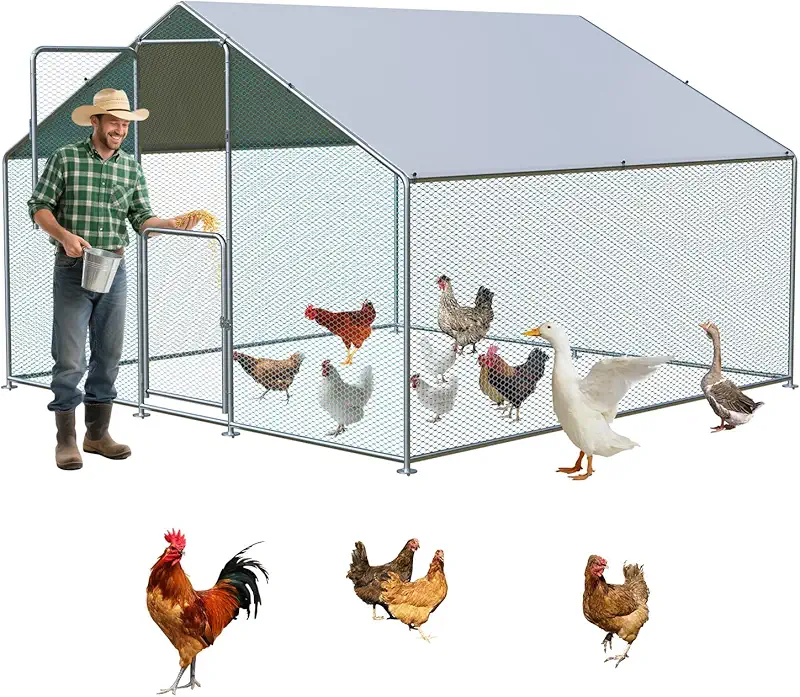
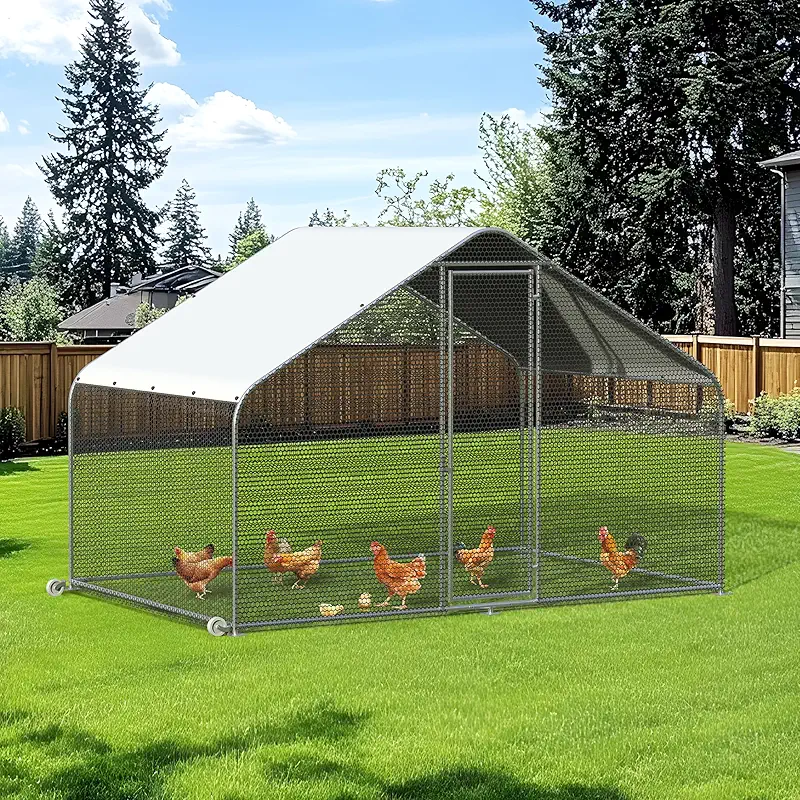
- Galvanized metal frame and roof panels for weather resistance.
- Sloped design to send water and snow away from the run.
- Open sides that you can pair with shade cloth or tarps.
- Works as a dry run cover and hawk protection in one piece.
I like this type of roof when I want a simple, strong shelter over the run that I can later customize with extra shade or windbreaks.
Keeping rain out and bedding dry
Wet bedding is where trouble starts: cold feet, dirty eggs, strong smells, even frostbite in winter. A metal roof can be your best helper against all of that, if it is planned with water in mind.
On one long autumn, we had weeks of drizzle and sideways rain. I used to dread going out in the morning because I knew I would find soggy corners. After changing the roof pitch and the overhang, something small but important happened: the smell when I opened the coop door turned from sour to clean straw.
Roof pitch and overhang
For most small coops a noticeable slope is enough. Water should feel like it is being invited to leave quickly, not asked to think about it. Even with pre-made metal chicken coop roof kits, I like to check that the slope is clearly visible.
Overhang is just as important. I like at least a small hat around the coop, so rain that slides off the metal lands away from doors and vents. A simple gutter or a row of stones where the water lands can keep mud from splashing back up the walls.
Managing drips and condensation
Metal likes to sweat when warm air rises from the birds at night and hits a cold roof. If you have ever heard faint dripping over sleeping hens, you know the feeling. To avoid this, I try to combine three simple things:
- Enough gentle ventilation under the roof line, but not direct drafts on the roosts.
- A light color roof panel if possible, which keeps the metal a bit steadier in temperature.
- Dry bedding that absorbs small amounts of moisture without turning soggy.
On one winter morning I checked the ceiling with my hand. It was cool but dry, while the inside air felt fresh but not harsh. That balance told me the roof and the vents were finally working together like friends.
Heat, shade and a calm summer coop
Hot sun on bare metal can turn a coop into an oven. I live where summers can be stubborn, and my older hens suffer first. So when I think about a metal chicken coop roof, I think about shade almost as much as rain.
My best summers happened when I combined a solid metal roof with some soft shade touches: a light-colored panel, a simple shade cloth, and a bit of airflow high under the ridge.
Choose light colors
Dark metal absorbs heat. Light gray or white reflects more of the sun and keeps the air under the roof easier to breathe.
Add soft shade
A row of shade cloth or a few climbing plants on the sunny side of the run can take the harsh edge off summer light.
Leave a high escape path
Warm air wants to rise. A small vent gap near the top of the coop, well protected by the metal roof, lets that heat drift out without chilling the birds.
I watch my hens to judge if the roof is doing its job. If they spread their wings and pant at midday, I know I need more shade or airflow. If they dust-bathe under the roof in the afternoon and quietly preen, the roof is winning.
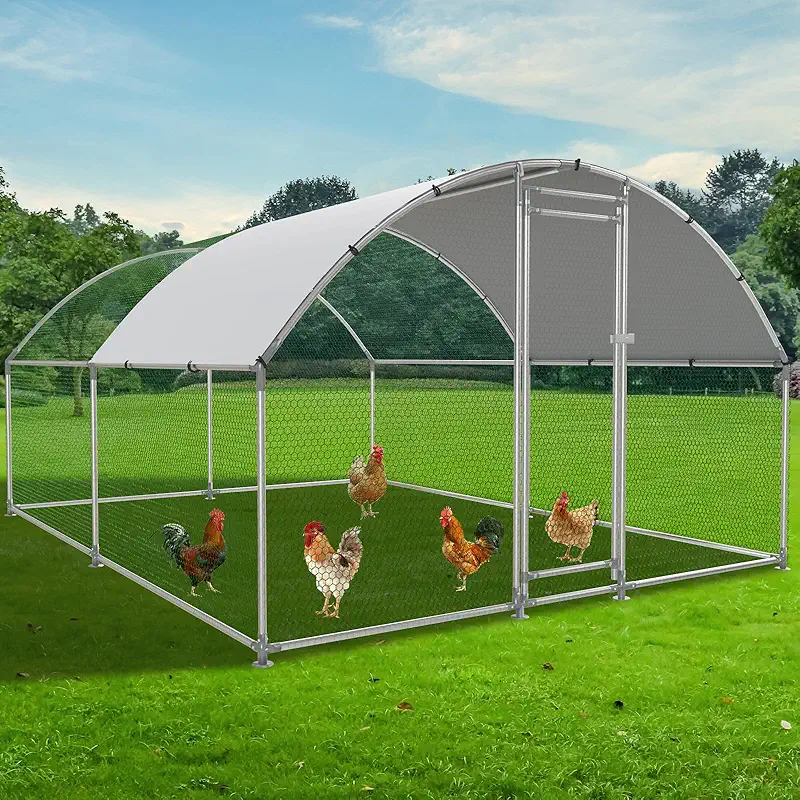
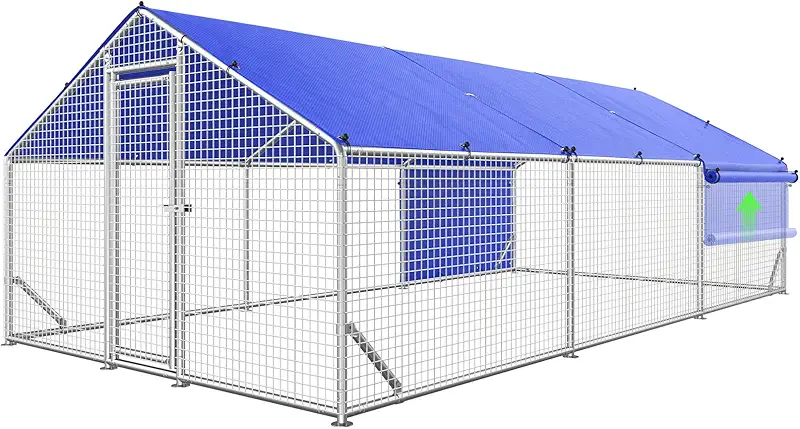
- High roof line gives good head room and airflow.
- Metal framework allows easy fixing of shade cloth on hot sides.
- Often sold in different lengths to match your flock size.
- Creates a dry, safe space where birds like to spend most of the day.
I like roofs like this for mixed flocks who enjoy staying outside, because I can change the shade and wind protection as the seasons move.
How the roof helps with predators
A strong metal chicken coop roof is a shield you do not have to think about at midnight. Foxes and raccoons do not usually break through the top, but they look for loose corners, weak edges and flimsy wire that hangs from the frame.
One evening I heard frantic clucking. A hawk had landed on the roof of my run and was pacing, trying to see a way in. The metal roof did not move. My hens piled together, upset but safe. After a long few minutes, the hawk left, and I gave quiet thanks for every solid screw in that roof.
Edges, gaps and wire joins
On pre-built metal runs with roofs, the meeting place between roof and side panels is where trouble starts. I always run my hand along the top edge (carefully, of course) and look from inside and outside:
- No gap should be larger than the width of your finger.
- Any cut wire should be folded or capped so animals cannot push it open.
- Roof screws should have washers so they do not widen the holes over time.
A few minutes spent checking these small things has probably saved my flock from many quiet dangers at night.

Noise, wind and keeping the flock calm
Metal can be loud when rain or hail hits it. Some of my hens barely notice the sound, but a few nervous ones react to every sharp noise. Over time I learned ways to soften the racket.
The biggest change came when I added a simple, light wooden strip under the roof panels in one coop. This made the surface a little less “drummy”. The next storm sounded more like a steady whisper than a drum roll, and the birds stayed on their roosts instead of jumping down.
Handling wind
Strong wind can lift a bad roof like a lid on a pot. When I look at a metal chicken coop roof, I gently push and wiggle the frame. If it sways easily, I know I will need extra bracing or anchors.
Simple ground anchors or sturdy posts at the corners can make a huge difference. I also try to turn the roof so the lower side faces the direction where storms usually come from. The roof then sheds the wind instead of catching it like a sail.
I’ll check roof options Sometimes I just browse and imagine how each design would sound and feel in my yard.Choosing the right metal chicken coop roof for your flock
When friends ask me what roof they should pick, I rarely give the same answer twice. I always start with a few gentle questions:
- How many hens do you truly plan to keep, not just this year but next?
- Is your yard mostly windy, rainy, hot, or a little bit of everything?
- Do you want to walk inside the run, or just reach in from doors?
- Are you comfortable doing small adjustments, like adding shade cloth or gutters?
Your answers shape the kind of metal chicken coop roof that will feel right. A tiny backyard with three hens might do well with a low, snug roof. A larger flock on an open field may need a tall, airy roof with stronger framing.
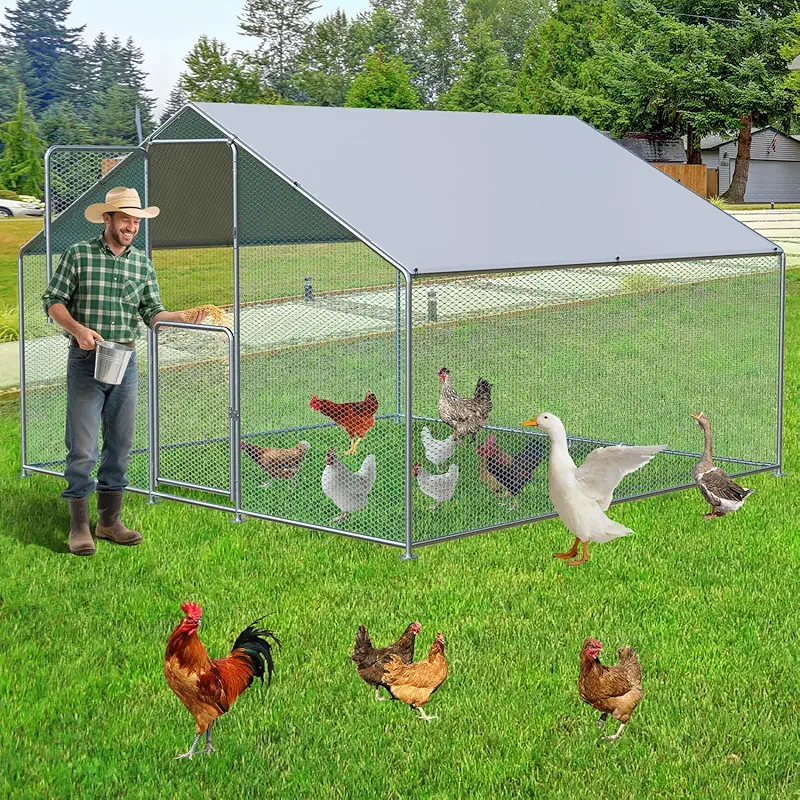
I like to think of the roof as a promise I make to my birds: “When the sky is at its worst, you will still feel safe.” When I choose or build a roof with that in mind, I notice it in the way they settle onto the roosts at dusk, soft and unhurried.
If you want to see different styles of metal chicken coop roof frames and panels together, you can explore ready-made options and then imagine how they would fit into your own yard rhythm.
I’ll quietly explore