
When I switched from a small wooden run to my first metal chicken coop walk in, I remember the first rainy morning very clearly. Instead of crouching in the mud, chasing nervous hens with a feed scoop, I walked into a dry, tall run, greeted by soft clucking and curious faces. My back did not hurt, my boots stayed drier, and the hens were calmer. That morning convinced me that a walk-in metal run is not a luxury, it is an act of kindness for both birds and keeper.
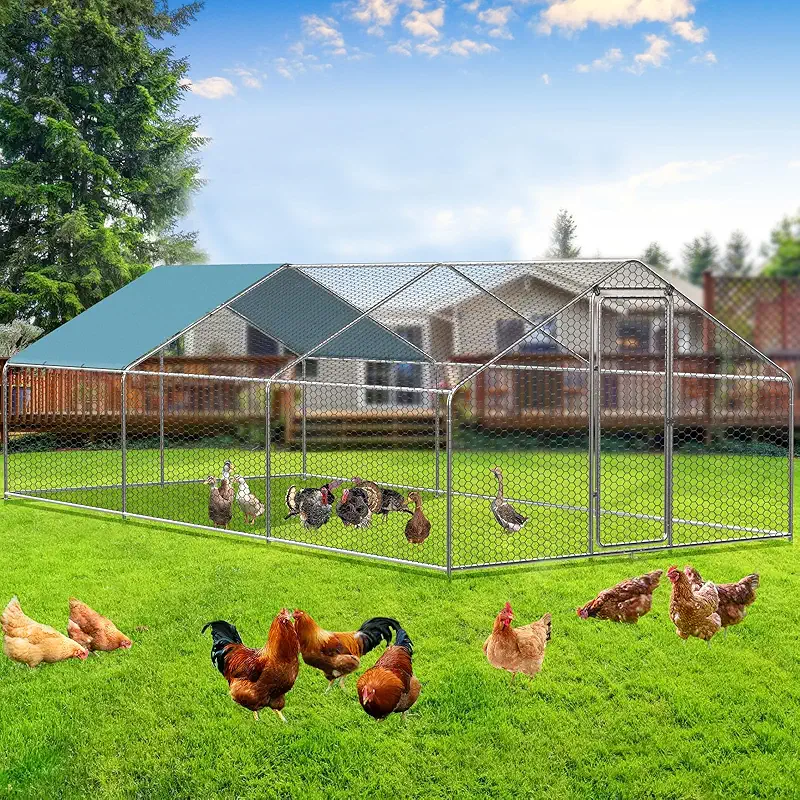
I am not a big farm. Most years I keep between 8 and 18 hens, plus the occasional spoiled rescue. They all have names, and I know exactly which one prefers to sleep on the lowest roost and which one steals tomatoes from my hands. A strong walk-in metal coop gives me peace of mind at night when I hear the coyotes in the distance, and it makes my daily routine gentle and unhurried.
Metal runs feel a bit “industrial” at first glance, but when you hang a few wooden perches, scatter some straw, and listen to the happy scratching, the whole structure turns into a quiet, safe world for your flock. In this guide I want to walk you through how a metal chicken coop walk in can fit into your life, what to look for, and how I set mine up so that chores take minutes, not hours.
Why a metal chicken coop walk in changed my daily routine
Before the metal run, my mornings were a race. In winter I would bend under low wooden beams, trying not to bang my head, and reach through tiny doors to change water and refill feeders. Hens do not like rushed hands. They like calm movements and a familiar rhythm. Once I moved them into a proper walk-in run, everything slowed down in a good way.
- Full height access: I stand upright, carry big feeders and buckets without twisting.
- Stronger predator protection: The metal frame and wire feel solid when I shake them.
- Easier cleaning: I can walk in with a rake, shovel and wheelbarrow.
- Better ventilation: The open sides with wire give fresh air without big drafts.
I noticed the hens changed too. With more vertical space, they use different levels, jumping on perches, exploring corners, and staying more active in winter when the ground is wet or frozen. A walk-in coop feels less like a cage and more like a covered yard where they can still be chickens.
Key things I look for in a metal chicken coop walk in
Metal runs may look similar in pictures, but living with them every day reveals small details that matter a lot. When I help friends choose a new walk-in run, I always walk through this simple checklist with them.
1. Height that respects your back
If you can, choose a run that is at least 6.2–6.5 ft tall in the center. I am not very tall myself, but even a couple of inches make the difference between moving freely and constantly watching my head. Remember, you will go in there every day: with buckets, bedding, or sometimes with a hen in your arms.
2. Strong, stable frame
A metal chicken coop walk in is only as good as its frame. I like thick, galvanized tubes that feel solid when you push the side of the run. If it wobbles easily when you shake it, wind and time will not be kind to it. Corners and joints should fit tight, and the door frame must not twist.
3. Real walk-in door
I want a human-sized door that opens smoothly, closes firmly, and does not leave gaps where clever raccoons could reach in. I always add a simple carabiner clip over the latch, because I prefer to be “too safe” rather than sorry. Make sure you can open the door with your hands full – you will do that more often than you think.
4. Wire type and spacing
Many metal runs come with chain-link style mesh. It is strong against big predators, but smaller animals like weasels or young rats can sometimes slip through. On my own runs I like to add an extra layer of hardware cloth around the bottom 2–3 ft, attached tightly with metal ties. It is a simple job that adds a lot of safety.
5. Roof and weather cover
Hens hate wind and driving rain more than they hate cold. A good metal run often includes a roof cover for part of the structure. I always place that cover over the area where feeders and waterers hang, so food stays dry and bedding does not turn into a swamp after every storm.
- At least one third of the run under a solid or tarp roof.
- Extra tarps ready for harsh winter or very hot sun.
- No big gaps at the roof line where wind and rain can blow in.
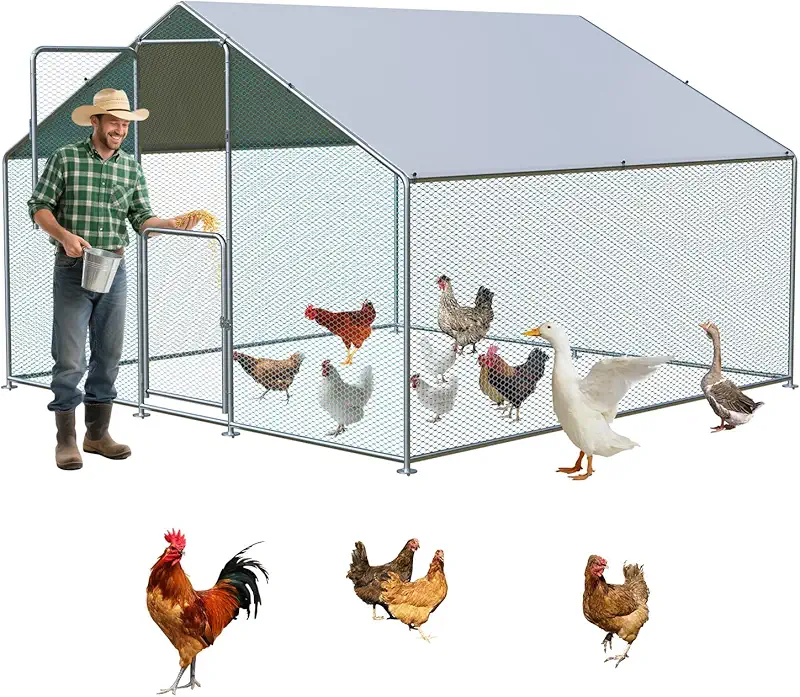
How I set up my walk-in metal run step by step
When my latest metal chicken coop walk in arrived, the boxes looked a bit intimidating. But once I laid everything out and took a deep breath, the structure came together in a calm afternoon. Here is exactly how I usually set things up.
1. Choosing the right spot
If you can, give your hens a mix of sun and shade. I like to place the run so that one side gets gentle morning sun to dry the ground, and a tree or shade cloth helps in the hot afternoon. Avoid low spots where water pools – standing water is hard on feet and feathers.
2. Ground preparation
I do not pour concrete, because I want the soil to stay soft for scratching. Instead, I level the ground roughly, remove big rocks and thick roots, and sometimes spread a layer of coarse sand. Around the outside edges I lay a 12–18 inch skirt of wire flat on the ground and cover it with soil or stones. This discourages diggers like foxes and dogs.
3. Assembling the frame with patience
I always assemble the frame before adding any wire or roof covers. Two people make this much easier, but I have done a smaller run alone with time and a step stool. I check each corner as I go, making sure everything is square before tightening bolts.
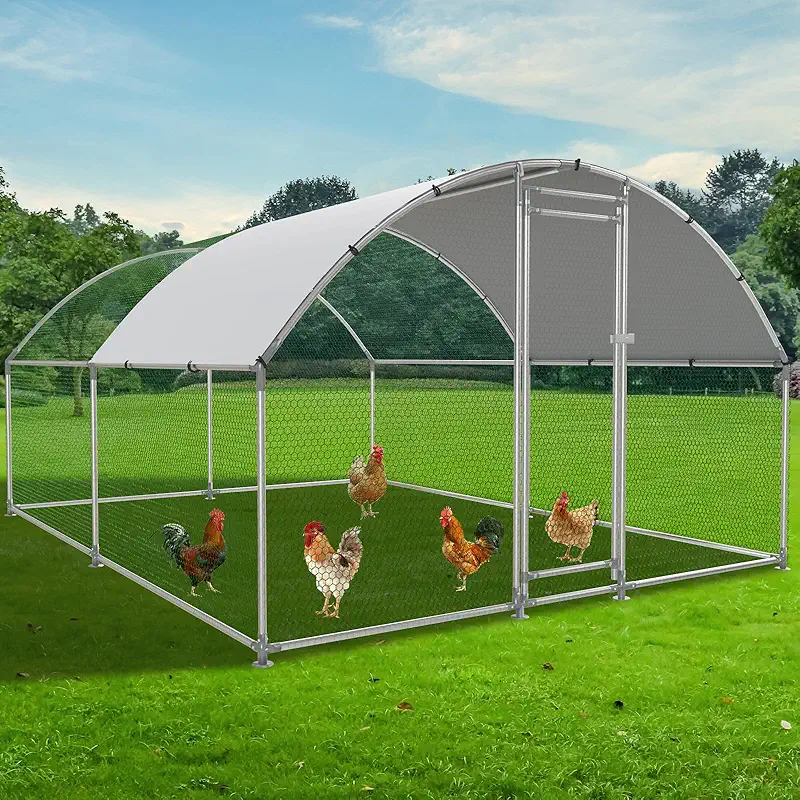
4. Securing the wire and roof
Once the skeleton is ready, I attach the wire panels, pulling them snug but not so tight that they deform. I pay special attention along the bottom edge and around the door, because those are favorite spots for predators. Then I add the roof panels or tarp, always angling them slightly so rainwater runs off and not into the run.
5. Making it a home, not just a cage
The frame and wire are only the beginning. To turn the space into a gentle home, I add:
- Wooden perches at different heights.
- A dust bath tub filled with dry soil, ash and sand.
- Hanging feeders at chest height to reduce waste.
- Simple toys like cabbage heads on a string or a log to jump on.
The first evening I always sit quietly inside the run while the hens explore. They talk softly to each other, test the new roosts, and eventually settle into a new bedtime pattern. Watching them adjust reminds me why I choose solid, safe housing: they trust me to protect their little world.
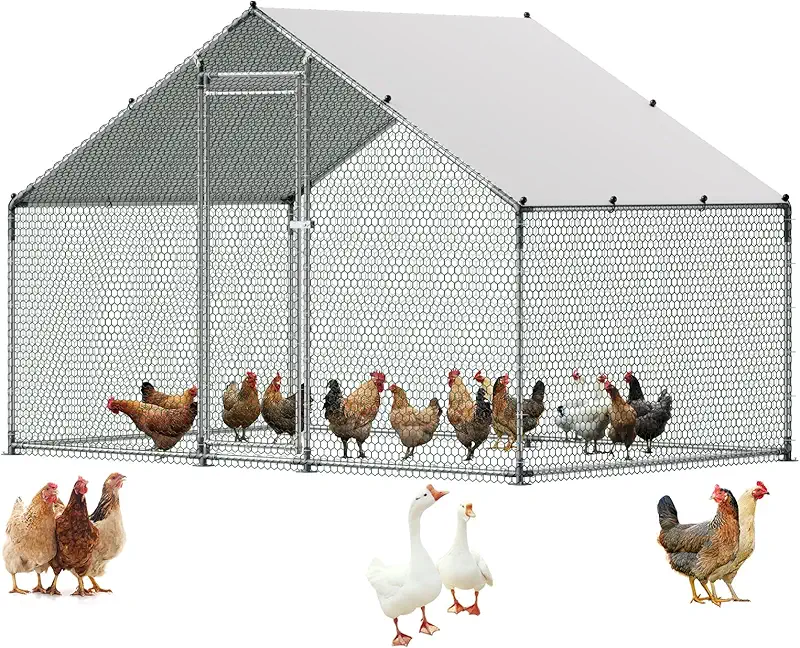
Living with a metal chicken coop walk in through the seasons
A good coop must work in mud season, summer heat, autumn wind and deep winter. Let me share how my walk-in runs behave through a full year, and what small tweaks keep the flock comfortable.
Spring: mud, fresh grass and new starts
Spring is messy here. Snow melts, ground softens, and hens are eager to dig everywhere. The metal frame does not mind the dampness, but the soil inside can turn to soup. I like to add a fresh layer of coarse wood chips or straw in the busiest paths, especially near the door and feeders.
Summer: shade and cool water
In summer, the metal roof and wire can create warm pockets of air. I hang shade cloth along the sunniest side and add extra waterers in the shadiest corner. On the hottest days, I freeze water bottles and place them in shallow tubs so the hens can cool their feet nearby.
Autumn: wind and falling leaves
Autumn is my favorite season inside a walk-in coop. I rake dry leaves into the run, and the hens turn them over like children with gift wrapping. The metal structure holds up well to strong winds; I just check all roof ties and add an extra strap on the tarp if a storm is coming.
Winter: snow and quiet mornings
Metal runs shine in winter. Heavy wet snow slides off the sloped roof. I keep the driest corner thick with straw so feet stay warm and beds of ice do not form. When freezing rain hits the wire and rattles all night, the hens stay calm inside, and I am deeply thankful for every bolt and brace that keeps the run steady.
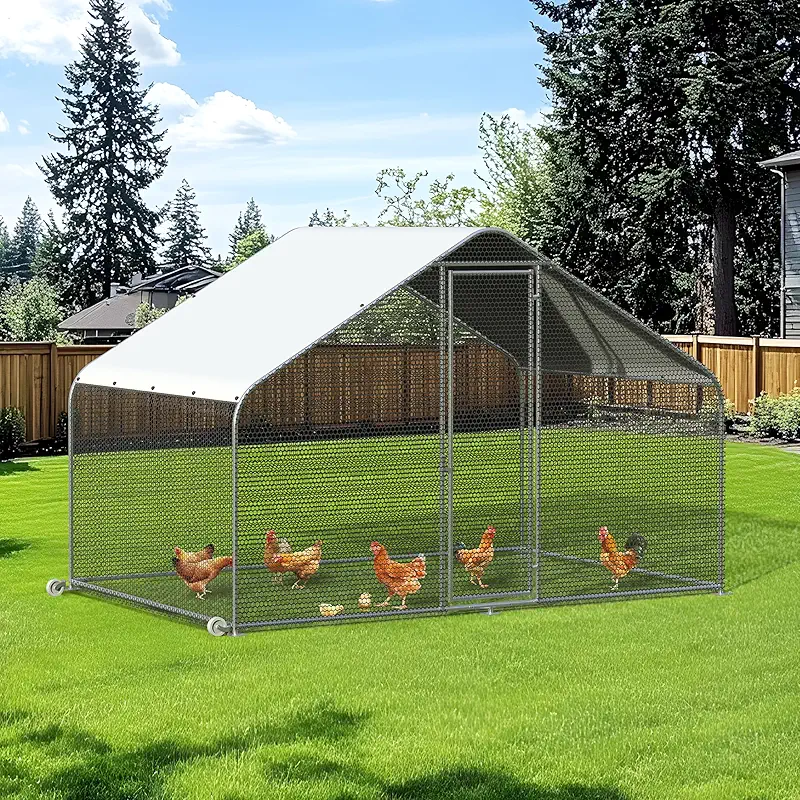
Simple daily routine inside a walk-in coop
People often ask me how long my chicken chores take each day. With a well-planned metal chicken coop walk in, it is less time than making breakfast.
- Morning (5–10 minutes): Open pop door, check water and feed, quick look at each hen.
- Midday (optional): Toss a treat, check shade and ventilation in hot weather.
- Evening (5 minutes): Close pop door, collect eggs, quick scan for droppings in awkward spots.
- Weekly (15–20 minutes): Rake bedding, top up dust bath, check latches and wire edges.
Being able to move freely, turn around, bend and carry tools inside the run keeps these tasks simple. I do not dread bad weather anymore; I simply pull on my boots, step into the coop, close the door behind me, and share a few quiet minutes with the flock.
