
Metal chicken coop with nesting box
I have spent many dawns sitting beside my hens, listening to their soft clucks while they settle into their nesting boxes. Over the years I moved from small wooden sheds to a sturdy metal chicken coop with nesting box, and it completely changed the calm and safety of our little flock.
On this page I want to share what I learned, with simple words and honest stories. If you are thinking about giving your hens a solid metal home with safe nesting boxes, I hope my experience helps you feel sure and peaceful about your choice.
Everything here comes from daily life with hens: muddy boots, cold mornings, and the quiet joy of collecting warm eggs from clean nesting boxes.
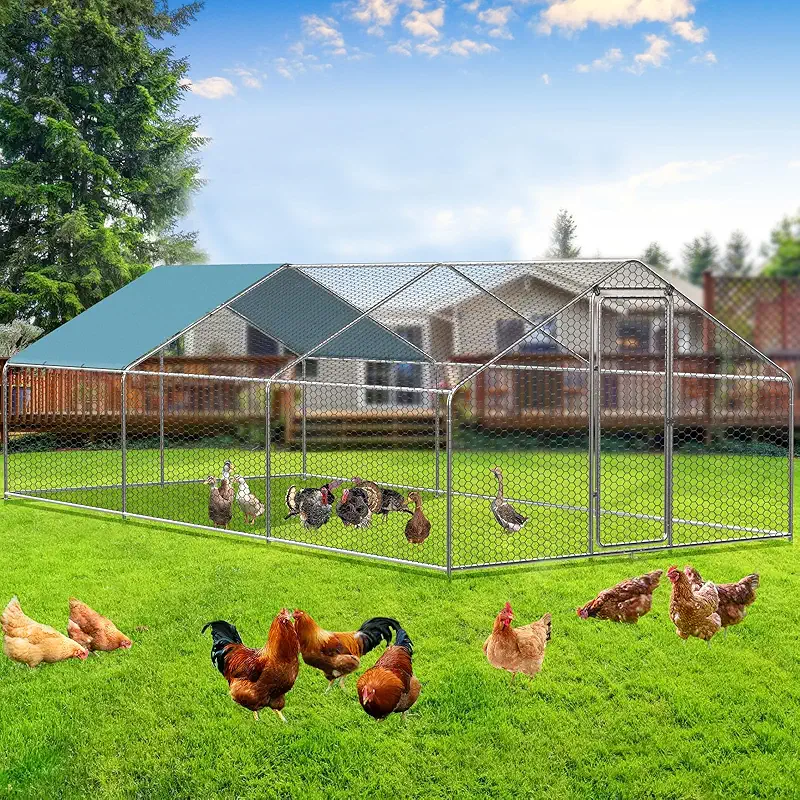
A roomy metal chicken coop with nesting box gives hens a safe, dry place to rest and lay eggs.
Why a metal chicken coop with nesting box changed life for my hens
When I started keeping chickens, my first coop was a handmade wooden box. It looked cute, but after a few winters I saw the truth: warped boards, soggy floor, and cold drafts right where my older hens tried to sleep. I still remember one rainy night when I opened the door and found my hen Rosie sitting in a damp nesting corner. Her feathers were wet and she gave me this tired look that broke my heart.
That is when I decided to move the flock into a metal chicken coop with nesting box. I was nervous at first. Metal felt “hard” and I worried the hens would miss the cozy feeling of wood. But the first morning after the move, I found them all dry, calm, and chatting softly in their raised nesting boxes. The floor was clean, no muddy corners, no damp smell. That was the day I realised something simple: comfort for hens is not about pretty looks, it is about dryness, safety, and quiet places to lay eggs.
- Strong metal frame that does not sag or rot after wet seasons.
- Wire sides that let in fresh air while keeping predators out.
- Built-in nesting boxes so hens always know where to lay.
- Easy to wash down, which keeps mites and smells away.
- Often movable, so you can shift the run to fresh grass.
How I set up my metal coop so hens feel calm and safe
A metal chicken coop with nesting box is like an empty barn when it first arrives. The structure is there, but the feeling is missing. I learned that small, thoughtful details turn that metal frame into a quiet home for the flock.
The first thing I did was place the coop where my hens already liked to spend time. For my yard, that meant close to a hedge, so they could still scratch near some shade. I faced the main door away from our strongest winds. The metal frame can handle bad weather, but hens don’t like cold gusts blowing straight into the coop.
Inside, I lined the nesting boxes with a soft layer of straw. Not too much; if the nest is piled too high the eggs roll around and can crack. About one hand-deep was enough. Then I added a thin layer of dry bedding on the floor of the coop. With metal, you don’t need extra wood for structure, but your hens still need something gentle under their feet.
That very evening I watched as my bossy hen, Mabel, stepped into each nesting box, checked the corners, and finally settled in one. When she approved it, the younger hens followed. Hens are like that: if one brave soul trusts the nest, the rest slowly come around.
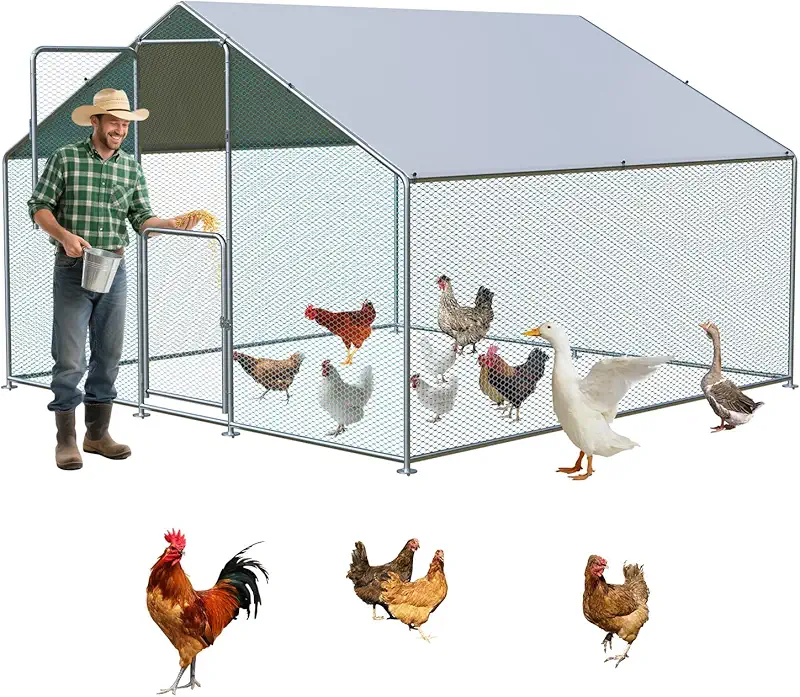
Place your metal coop where hens already feel safe: near a hedge, a tree line, or beside an existing fence.
Simple daily routine that keeps the coop friendly and healthy
Metal coops make cleaning simple, but routines still matter. My daily rhythm is quiet and quick. I bring a bucket, a small scraper, and a scoop of fresh bedding. I open the coop slowly and talk to the girls in a soft voice. It may sound silly, but they trust the familiar sound of their keeper.
- Each morning, I remove any wet spots under the roost and add a little dry bedding.
- Every few days, I fluff the nesting boxes and remove any broken egg shells.
- Once a week, I brush down the metal sides and check for rough edges or loose wires.
- Every month, I give the whole coop a gentle wash and let the sun dry it fully.
Because the frame and panels are metal, they do not hold moisture like old wood did. When I wash the coop, water runs off and the surfaces dry in a short time. That means fewer mites and a sweeter smell inside, which makes both hens and humans happier.
Choosing the right metal chicken coop with nesting box for your flock
When friends ask me what kind of metal chicken coop with nesting box to look for, I always tell them to picture their hens first, not the product picture. Think about how many you have now and how many you might gently add in the next year. I once bought a coop that was “big enough for ten hens” according to the label. My eight girls proved that wrong very quickly. At night they were crowded, and the nesting boxes were always full of feathers and squabbles.
Now I always plan for more space than I think I “need”. More head room, extra roosting bars, and at least one more nesting box than the number I see on the box. Hens share boxes, but they don’t like to feel rushed or cornered when laying. That quiet moment is important to them. When they have choices, they are calmer and eggs stay cleaner.
Things I always look for
- Strong, rust-resistant metal tubes and mesh, not thin wire that bends easily.
- Secure latches on doors so foxes and raccoons cannot twist them open.
- Nesting boxes that are raised off the ground to stay dry.
- Removable trays or easy-access floors for cleaning.
- Enough height inside so I can reach hens without crawling.
Things I gently avoid
- Very low coops that force me to bend too much; my back reminds me later.
- Runs with wide gaps at ground level where predators can dig under.
- Designs with only one small door, which makes catch-and-care stressful.
- Sharp edges around the wire that can catch feathers or skin.
- Coops with no way to add shade cloth or wind protection if needed.
Looking at different metal coops and nesting box layouts
If you want to quietly compare several styles of metal chicken coop with nesting box, you can browse ready-made options and imagine how your own hens would move, sleep, and lay in each design.
Many setups include roomy nesting boxes, safe runs, and simple access doors for daily care.
Let me look closerHow the nesting box shape affects egg laying
The nesting box is the quiet heart of any coop. In a metal chicken coop with nesting box, the frame may be firm, but the feeling inside the nest should be soft and private. I learned this when one of my shy hens, Willow, refused to lay in the new metal boxes. She wandered around, pacing and talking, and finally tried to hide her eggs in a corner of the run.
I realised the nesting box was too open. The front lip was low, and light poured in from the side. So I made a few gentle changes: I added a slightly higher bedding layer at the back, and I hung a small curtain of burlap over the opening. Nothing fancy, just enough to dim the light. The next day Willow stepped inside, turned around two or three times, and settled. That soft cluck she made while laying was my sign that she felt safe again.
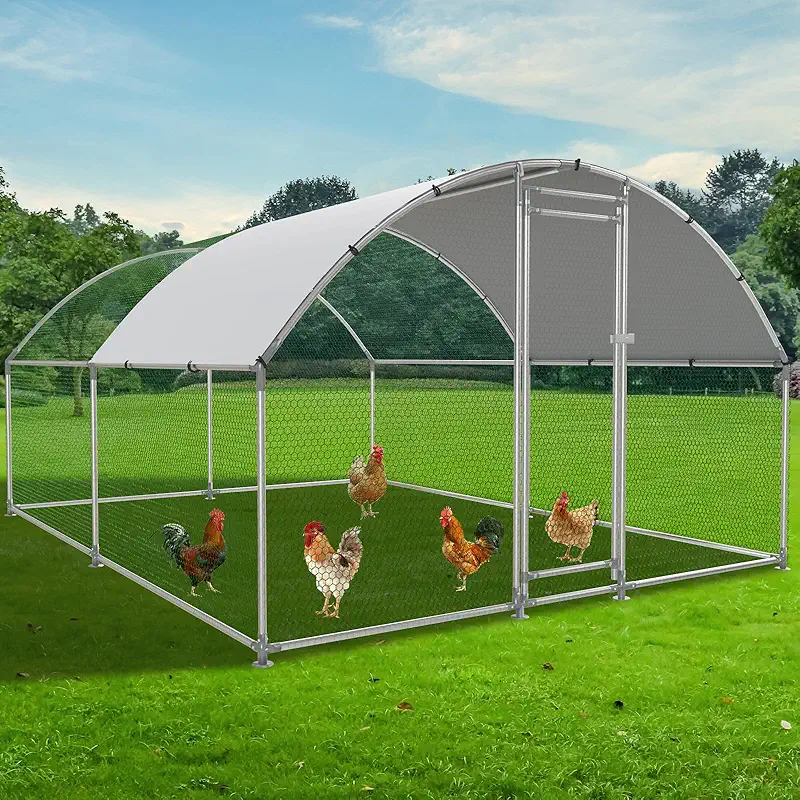
Nesting boxes with calm corners and a gentle front lip help hens feel hidden and unbothered while they lay.
Small nesting box details that matter a lot
- A front lip about the height of your hand keeps eggs from rolling out.
- At least 30–35 cm deep, so even big hens can tuck themselves fully inside.
- A soft but firm floor so eggs do not crack when laid.
- Easy to reach from outside, so you can collect eggs without stressing the flock.
- A gentle way for droppings to fall or be cleaned, to keep nests dry.
I also like nesting boxes that are attached to the outside side of the metal chicken coop with nesting box, with a roof I can lift. This lets me collect eggs in the evening without stepping into the run. The hens hardly notice me, and the boxes stay more peaceful.
Metal vs wooden coops: what I noticed over the years
I lived with both wooden coops and a metal chicken coop with nesting box for enough seasons to see how they behave in real life. Wooden coops can look charming, but for my climate, the metal frame quietly won in the long run. Not because it is prettier, but because it simply stayed straight and easy to clean.
In humid springs, my old wooden doors swelled and stuck. I had to push hard just to open them. Sometimes I worried that in an emergency I might not reach a sick hen quickly. The metal coop doors still open with the same light touch as on the first day. Even after a week of rain, I can step in without a fight.
Another difference is pests. Mites love small cracks in old wood. When they once settled in, it took me weeks to really get rid of them. Metal panels and tubing have far fewer hiding spots. That does not mean you will never see mites, but they are much easier to fight when they cannot hide so well.
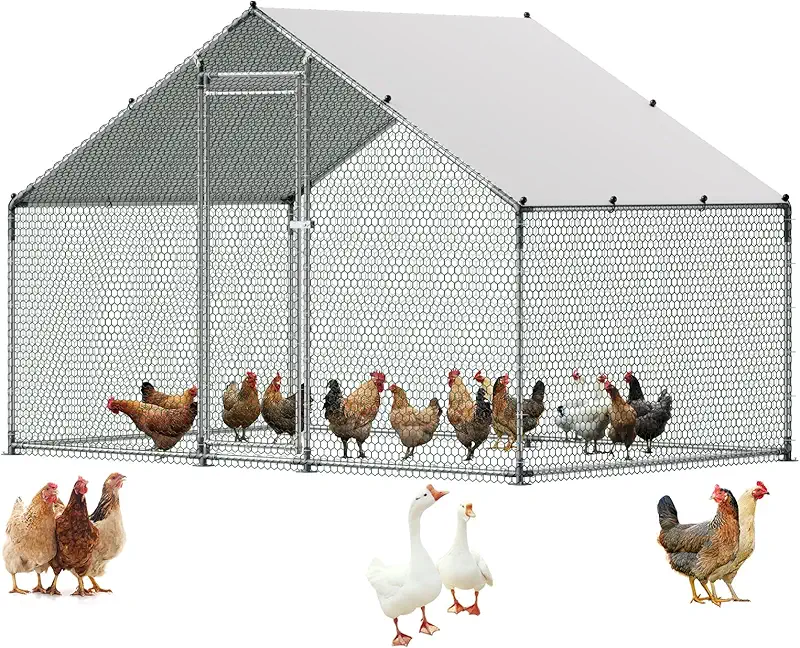
A solid metal frame keeps its shape over time, which makes doors safer and daily care easier for both hens and keeper.
One stormy night, heavy winds snapped a branch onto the roof of my old wooden coop. The board cracked, and rain started to seep in right above the roosts. I moved the hens as best as I could, but they were soaked and upset. A year later, when the same kind of storm rolled in, I had already changed to a metal chicken coop with nesting box. The branch hit the side of the metal frame and simply bounced off. Inside, my hens barely stirred. That quiet night convinced me that sturdy metal has its place in a gentle chicken keeper’s world.
Seasonal care for a metal chicken coop with nesting box
Every season asks for small adjustments in how we care for our hens. A metal chicken coop with nesting box gives you a strong base, and then you add comfort on top of that, like a warm blanket over a firm mattress.
Warm months
In summer, metal can get warm in direct sun, so I treat shade as part of the coop design. I often stretch a piece of shade cloth over the run or plant tall sunflowers along one side. The wire sides of the metal chicken coop with nesting box let breezes move freely, which helps a lot.
- Place water in the shadiest part of the run and refresh it often.
- Open every safe vent and window to allow cross-breezes.
- Collect eggs more often so they do not sit in warm nesting boxes all day.
- Offer shallow pans of water in the run so hens can cool their feet.
Cold months
When cold winds return, I shift my focus to blocking drafts at roost level while keeping the air fresh above the hens. Metal walls do not hold warmth like bricks, but they also do not soak up moisture like damp wood. With good bedding and careful ventilation, the coop can stay dry and calm even in winter.
- Use deeper dry bedding, especially under the roosts and in the nesting boxes.
- Cover part of the run sides with clear plastic or tarp to break the wind.
- Check metal parts for condensation and increase ventilation if needed.
- Watch combs and toes for frostbite signs and adjust perches if they cannot cover their feet while roosting.
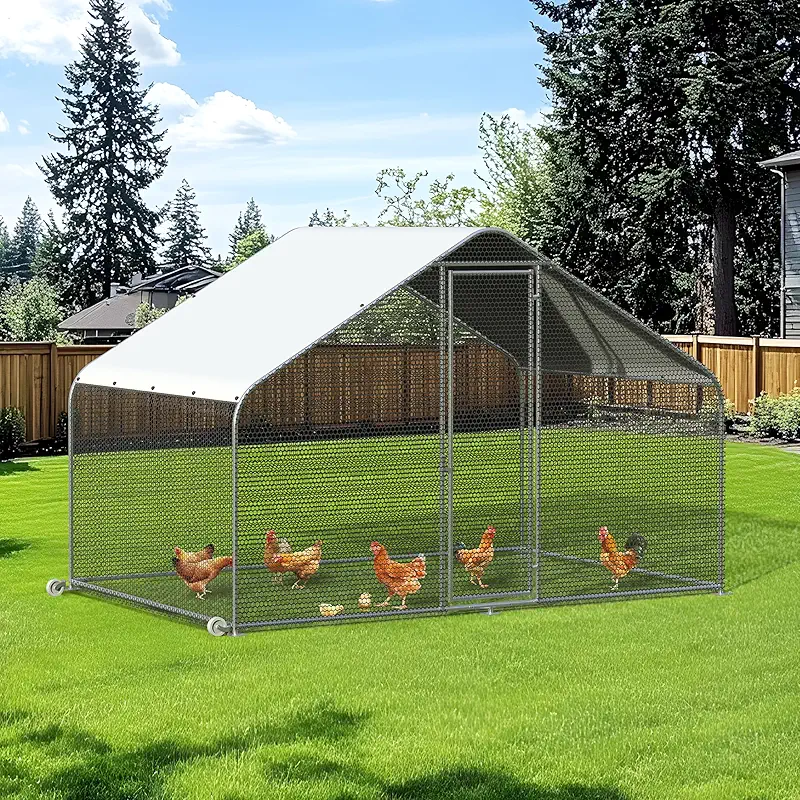
With small seasonal changes, a metal chicken coop with nesting box can stay welcoming from hot summers to snowy winters.
Making daily life gentle for both hens and keeper
A metal chicken coop with nesting box should not just protect hens; it should also protect your own back, time, and peace of mind. I learned to think about my future, tired self every time I chose a door height or a feeder spot. If it is easy, you will keep doing it. If it is hard, things get delayed, and the flock feels the results.
Small layout choices that make chores lighter
- Keep feed and water near the main door so you do not need to walk across the whole run with heavy buckets.
- Choose a coop with doors wide enough for your body and a small shovel.
- Place the nesting boxes at a height where you can reach eggs without stretching.
- Leave enough space to step inside the run and turn around comfortably.

Easy access doors and clear inside space make daily care calm and quick, which keeps hens relaxed too.
When chores are simple, your visits to the coop feel more like a quiet walk than hard work. I like to pause for a moment after I finish cleaning and just listen. Content hens make a soft, satisfied murmur. That sound tells me the metal chicken coop with nesting box is not just a structure; it is a safe little world that we share.
If you are ready to look at different shapes and sizes of metal coops and nesting box setups, you can calmly explore options now and imagine your own hens moving through them.
I want to exploreQuestions people often ask about a metal chicken coop with nesting box
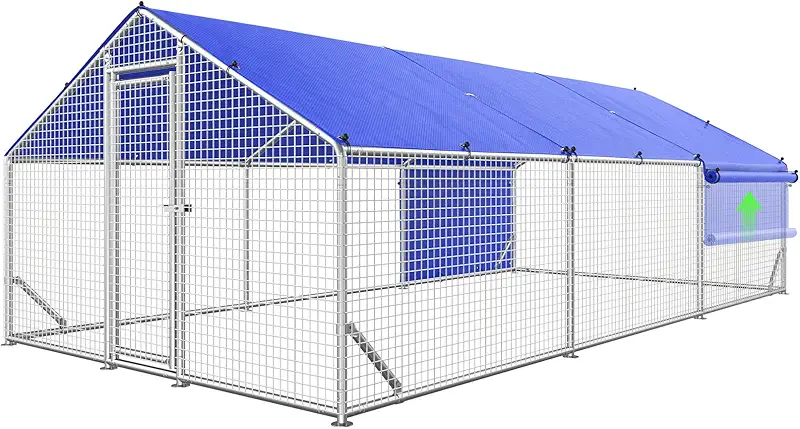
With the right care, a metal chicken coop with nesting box can shelter many flocks over the years, through storms, heat, and calm days alike.
If you feel that a sturdy, easy-to-clean metal chicken coop with nesting box might suit your hens and your yard, you can take a quiet moment now to look through different setups and picture your flock living in them.
Let me see optionsGrowing with your flock over time
A good coop grows with your understanding of your hens. When I first brought home my metal chicken coop with nesting box, I saw it as a finished product. Now I see it as a strong starting point that I can keep adjusting. Over time I added a small covered dust bath area, an extra perch near the window, and a side gate so my hens can reach a fresh patch of grass.
The metal frame made these changes simple. I could attach new pieces without worrying about splitting boards. My hens taught me, day by day, what they needed: another shaded corner, a quieter nest, a safer ramp. I just listened and slowly shaped their home around those needs.
If you listen to your own flock in the same way, a metal chicken coop with nesting box can become more than just fencing and panels. It can be the steady, trusted backdrop for many years of soft clucks, warm eggs, and peaceful mornings in your yard.
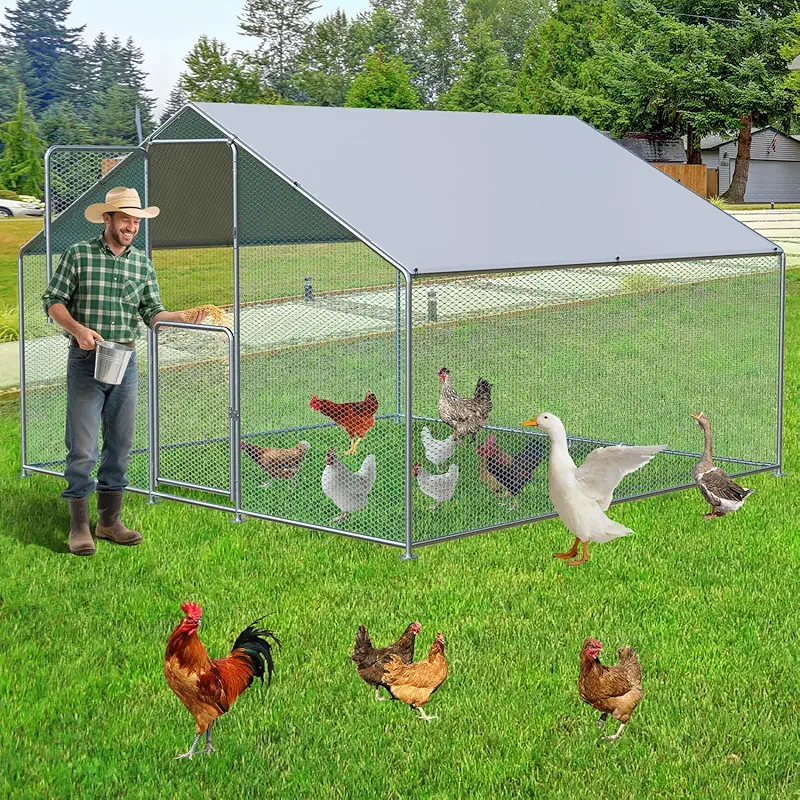
A sturdy metal chicken coop with nesting box can be gently adapted over time as you and your hens learn from each other.