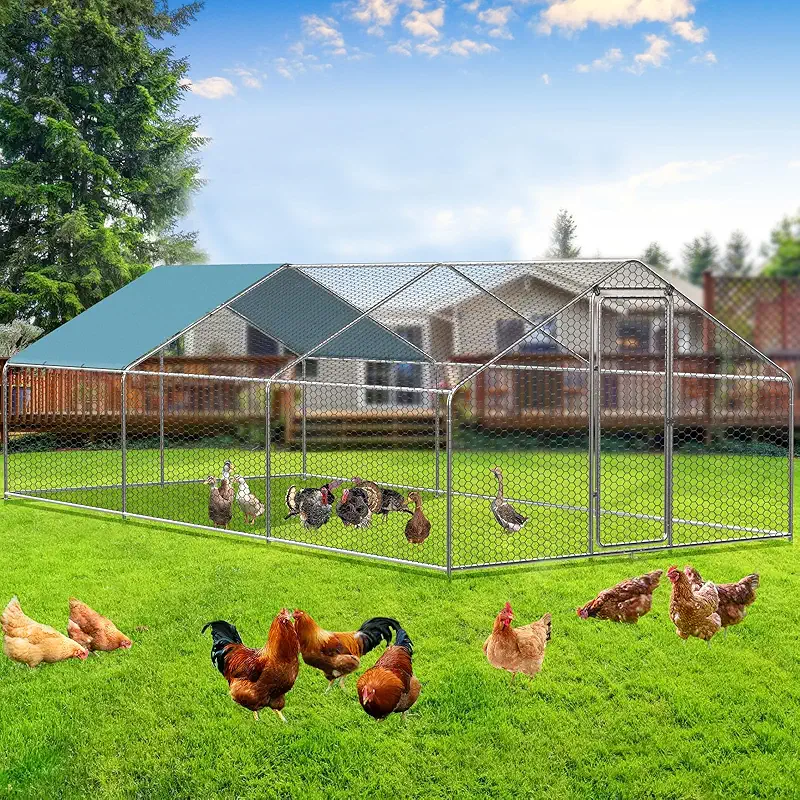
Metal chicken coops with runs
Metal chicken coops with runs that keep your flock safe, calm, and curious all day long.
After many years walking out at sunrise with a bucket of feed and a warm mug in my hand, I have learned one thing very clearly: a good run and a solid coop change everything for your hens. On this page I share my honest thoughts about metal chicken coops with runs, what has worked for my girls, and how you can choose a setup that makes your daily chores lighter and your chickens happier.
Calm hens, steady eggs
When I switched from a patchwork of old wooden pens to proper metal chicken coops with runs, the first thing I noticed was the silence at night. No more sudden squawking, no more frantic flapping when a fox prowled past the fence. Just soft little sleepy clucks and the rustle of feathers.
Metal runs gave my flock space to stretch, dust-bathe, and argue over the best sun spot, while staying safe from dogs, foxes, raccoons, and hawks. I still free-range them some days, but on busy weekdays I can close the gate knowing they are protected and busy enough not to pick on each other.
Below you will find some examples of metal chicken coops with runs that follow the same ideas I use here: sturdy frames, secure mesh, and enough room for real chicken behavior, not just standing and waiting for feed.
Why metal chicken coops with runs changed life for my flock
- Stronger protection from foxes, dogs, raccoons, and hawks thanks to firm frames and tight mesh.
- Dry, clean space where the hens can move, scratch, and dust-bathe even after rain.
- Less pecking and bullying because the birds are not cramped or bored.
- Easier cleaning for me: smooth metal tubes, no soggy wood to rot or splinter.
- Coops and runs that can be moved or extended as the flock grows.
Metal chicken coops with runs: how to choose for real chickens, not just photos
Many pictures of coops look charming, but the birds inside them often have almost no space to behave like chickens. My hens have taught me that three things matter most with any run: room to move, real safety, and a roof that laughs at bad weather.
Metal chicken coops with runs usually use a steel frame and wire mesh, sometimes with a fabric or metal roof. That sounds simple, but the details make the difference between a peaceful flock and a noisy, stressed one.
A little space rule that works
I aim for at least 10 square feet of run space per hen when they spend most of the day inside, and a bit less if they free-range often. More is always better. When in doubt, I imagine each hen turning around and flapping her wings without bumping a friend.
Metal runs make it easier to give that room, because the panels are big and light and can be shaped into long rectangles or wider pens. I like longer shapes more than square ones: the dominant hens walk off their energy instead of guarding a single corner.
Examples of metal chicken coops with runs my hens would approve
Below are some common styles of metal chicken coops with runs you will find when you follow the link. I will describe how I use similar setups here, what I watch out for, and which flocks they suit best.
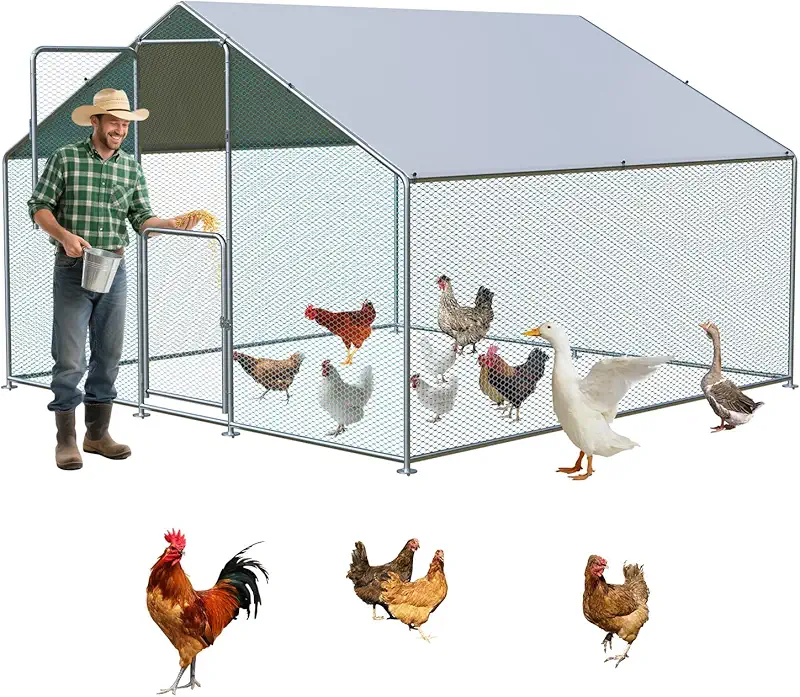
Long metal walk-in run for active flocks
Good for medium to large flocks that like to march, scratch, and explore.
Roomy run style
- High enough for you to walk in and clean without crawling.
- Narrow and long shape that lets hens keep distance from bullies.
- Simple metal frame that usually assembles like a big garden arch.
My main flock lives in a long metal run like this, with a wooden coop placed at one end. I added extra mesh around the lower half so even curious young foxes cannot reach through. When you browse metal chicken coops with runs, look for images that show a human standing inside; it helps you guess real height.
Let me see more
I always look for runs that feel easy to walk inside. If cleaning feels hard, it will not get done as often as the hens deserve.
Compact metal coop with attached run
For small backyards, starter flocks, or a trio of spoiled layers.
Space-saving setup
- Sleeping box, nest area and run in one simple footprint.
- Often light enough to slide a little to fresh grass.
- Easy to cover fully with a tarp in rough weather.
My very first metal chicken coop with run looked like this. I kept three hens inside, then later added a second run panel when I saw how much they loved their morning sprints. If you have limited space, this style keeps everything tidy and neighbors friendly.
Maybe this size
When you see a compact coop you like, count how many full steps you could take inside the run. Your hens will be doing that walk thousands of times.
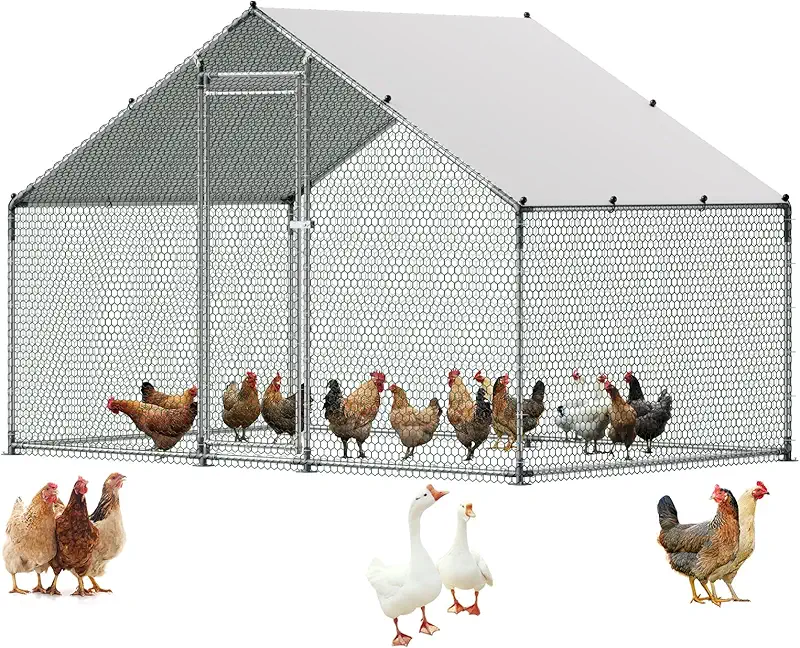
Heavy-duty metal chicken coop with roof cover
For windy, rainy or snowy areas where flimsy frames do not survive.
Weather-tough build
- Thicker tubing that resists bending under snow or strong wind.
- Roof cover that gives shade and shelter from rain.
- Good base for adding windbreaks or extra tarps on the sides.
One winter we had wet snow that turned to ice overnight. My light garden-style run sagged badly, but the heavy-duty metal chicken coop with run I had bought later stood straight. Since then I always lean towards stronger frames if budget allows.
I need sturdy gear
If your weather is wild, think of the coop as the hens’ storm shelter. Good metal and a strong roof calm both birds and keeper.
Safety details I never ignore with metal chicken coops
Predators are clever, patient, and stronger than they look. I learned that the hard way on a foggy autumn morning when I found scattered feathers near an old wooden pen. That loss still stings. Since moving to metal chicken coops with runs, I have a short list of safety points I never skip.
First, I check the mesh size. I prefer small openings, often around half an inch to one inch, so paws cannot grab and pull. Big gaps might be fine for the top, but not along the lower part of the run where foxes, dogs, or raccoons can reach.
Second, I look closely at how the doors close. Latches that flip down loosely are an invitation to raccoons. I like carabiners, clips, or bolts that need a little twist. At night I always walk out with a small lantern and run my hand over every latch before bed. That quiet moment has saved my flock more than once.
Digging and lifting tricks from predators
I lay a skirt of wire mesh or heavy stones all around the base of my metal runs. It does not have to be deep; just wide enough that digging along the edge feels pointless to a fox. I also weigh down corners with concrete blocks or timber so no dog can push the frame up.
Making metal runs gentle and cozy for the hens
Metal chicken coops with runs can feel cold and bare at first glance, but the bones are strong. We just have to soften them. I like to think of the run as a small garden the birds and I share.
Along the sides I hang simple branches and old stumps for perches. Chickens love to sit a little higher and watch the world. Under the roof area I place a big tray or low box filled with dry soil and a bit of wood ash for dust baths. On sunny days my hens queue for their turn, eyes half closed in pure joy.
Shade is also important. Even when a metal chicken coop with run comes with a cover, I sometimes add a piece of shade cloth or an old light blanket on the western side, where afternoon sun hits hardest. The difference in temperature is easy to feel when you stand inside.
Cleaning and daily care: keeping metal chicken coops with runs fresh
One of my favorite things about metal runs is how quickly I can clean them. No soft wood, no hidden corners where mites can throw parties. With a broom, a rake, and a bucket, I can make the place feel new in half an hour.
I like to keep a routine that is simple enough I will actually follow it, even on busy days. Here is what it looks like for me:
- Every day: quick visual check of latches, fence, and roof; refill water; scoop obvious droppings under perches.
- Every week: rake the ground of the run, remove any moldy feed or old greens, and top up dry sand in the dust bath.
- Every month: hose down the metal frame and wash feeders and drinkers with warm soapy water.
- Every season: look for rust spots, loose ties, or sagging roof panels and fix them before they turn into problems.
The smoother surfaces of metal chicken coops with runs help a lot. Droppings do not cling the way they do on rough, unpainted wood. On warm days I sometimes open the gate, shoo the hens into a temporary pen, and give the whole run a good rinse. By evening it is dry and ready again.
Real life with metal chicken coops and runs: a small story from my yard
One spring I brought home six young pullets, all different colors. I thought my old wooden coop would be enough if I added a simple wire extension. It looked fine, but the space was tight and the wood had already seen better years.
Within a month I saw signs of trouble: bare backs on the lowest hens, restless pacing, and one sad hen who always hid in the corner. I knew they needed more room and a calmer place.
That is when I invested in my first proper metal chicken coop with run. It had a tall frame, a roof cover, and strong mesh. I set the old coop inside it as a sleeping space and opened the little door into the new run. The girls stepped out slowly, then almost exploded into flaps and happy little runs.
Within weeks feathers grew back, pecking dropped, and their egg shells even seemed stronger. I am sure part of that came from the lower stress and more natural movement. Watching them dust-bathe under the dry roof while rain fell around them was the moment I knew I would never go back to cramped pens.
Comparing metal chicken coops with runs to wood and plastic
People often ask me whether they should choose wood, plastic, or metal. I have used all three, and each has its place. For the run part, metal is usually my answer, especially if predators or bad weather are common where you live.
Wooden runs can look charming and warm, but they need more care. In damp climates the posts rot, and in hot climates they crack. Plastic frames are light but often too flexible for bigger flocks or heavy winds. Metal chicken coops with runs sit in the middle: light enough to move with two people, strong enough to resist a determined dog.
Also, metal handles changes. If you decide to add a duck pen or extend the run for meat birds later, it is easier to attach new panels, extra doors, or a secondary coop. I have done this several times, turning one simple run into a network of safe areas.
More metal chicken coops with runs you might see
As you explore different metal chicken coops with runs, you will notice certain shapes keep returning. Knowing how they behave in real backyards can help you read the photos with wiser eyes.
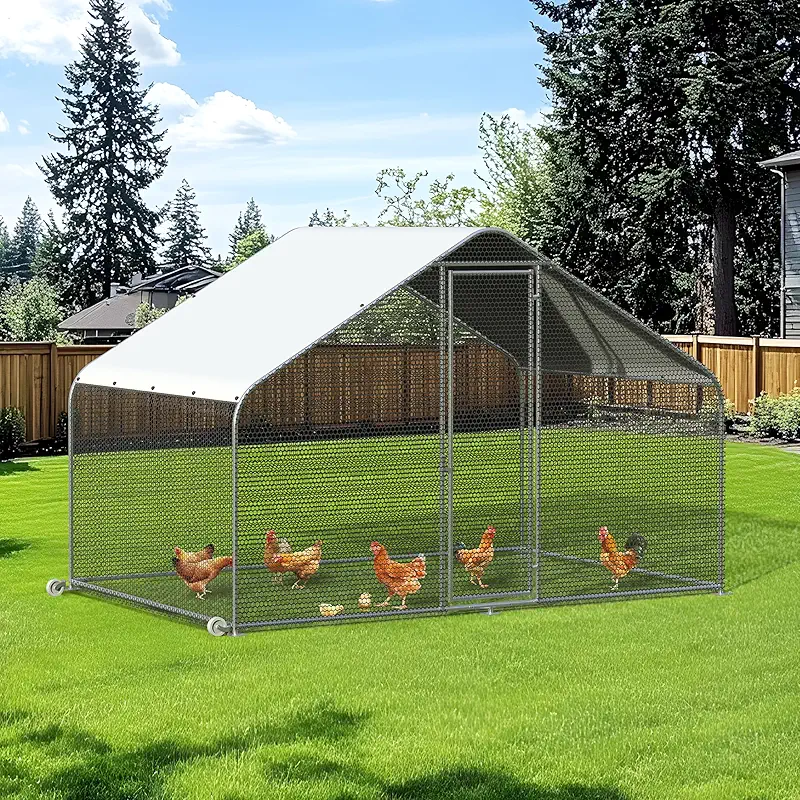
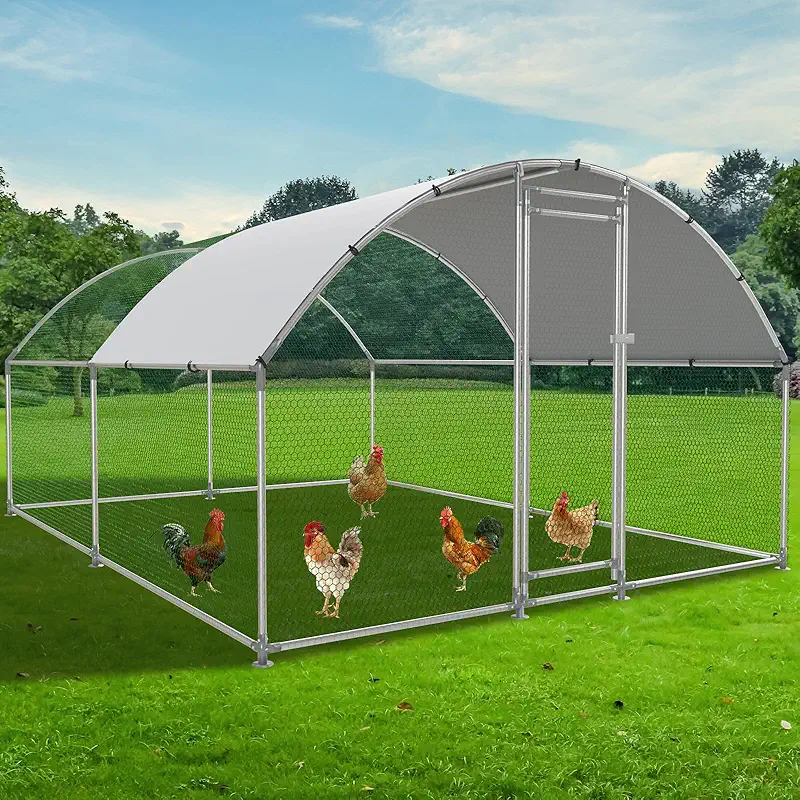
Dome-shaped metal run
Gentle curves that shed snow and give overhead space.
Easy-to-cover curve
This style is handy if you get snow or heavy rain. The arched roof lets water roll off, and it feels airy inside. I like to hang feeders from the center so feed stays dry and hens cannot kick shavings into it as easily.
I like this shape
Whenever I see a curved run, I imagine where I would hang the drinkers and where my shy hen would hide on a noisy day.

Large rectangular metal enclosure
Like a fenced garden just for your flock.
Flock-friendly space
Big rectangular enclosures are wonderful for mixed groups: teenagers, older hens, even a rooster or two. I like to divide space with low fences made from old pallets so timid birds can slip behind a barrier when needed.
Maybe go bigger
When I look at a big enclosure, I ask myself if there is enough room to set up “zones” for food, dust baths, and quiet rest.
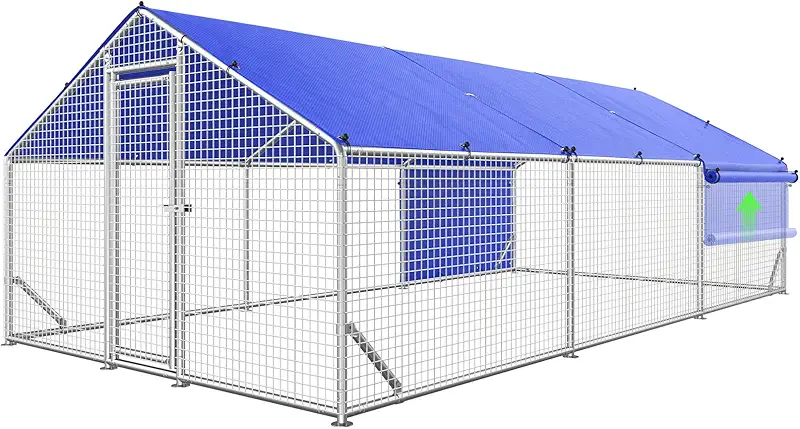
Tall metal coop with raised sleeping area
Shelter above, foraging playground below.
Two-level comfort
Some metal chicken coops with runs place the sleeping area up high with the run underneath. Hens enjoy walking up ramps, and the shaded ground under the coop stays dry. I often toss a little scratch there so they get used to resting in the coolest place on hot days.
This could work
Whenever I see a raised coop, I imagine how the older hens will handle the ramp and where I can add a second one if needed.
Little upgrades that make metal runs kinder to your flock
Even the best metal chicken coops with runs become sweeter places to live with a few small touches. Over the years I have added many little comforts, and I notice the hens using every one of them.
Some ideas that have worked well here:
- Branches at different heights so younger birds can sit below while older hens take the higher spots.
- Hanging cabbages or greens to peck at instead of each other when they get bored.
- A quiet corner made from a piece of plywood or a crate, where timid hens can step out of sight.
- Dry flooring mix of sand, fine gravel and wood chips in wetter climates, so feet stay healthy.
- Windbreaks made from old boards or bales on the windy side of the run.
My flock calms down noticeably when these little details are in place. I hear more soft murmurs and less sharp clucks. That is how I judge if a run is doing its job well.
Frequently asked questions about metal chicken coops with runs
Are metal chicken coops with runs too hot in summer?
They can be, if there is no shade or airflow. Here I use roof covers, shade cloth on the sunny side, and plenty of water stations. I also choose runs that are tall and airy so heat can rise away from the birds. With these steps my hens handle summer better in metal runs than they ever did in small wooden pens.
Do metal chicken coops with runs rust quickly?
Most modern metal runs are galvanized to resist rust. I do see a few small rusty spots after several seasons, usually near joints. I clean them, dry them, and touch them up with outdoor metal paint. That simple habit has kept my structures safe for many years.
How many hens can I keep in one metal coop with run?
It depends on the size, but I like to plan for more space than the box suggests. Many listings give very optimistic numbers. I use a calm rule of thumb: at least 4 square feet per hen inside the coop and 8–10 square feet per hen in the run, more if they spend all day inside.
Can I move a metal chicken coop with run around the yard?
Smaller models can be dragged or pushed by two people, especially if the soil is dry. Larger heavy-duty runs are better left in one place, but you can still rotate sections or add new panels. I sometimes open one side and attach a fresh grazing area with temporary fencing.
Are metal runs safe for chicks and small bantams?
Yes, as long as the mesh is small enough that they cannot squeeze through and predators cannot reach in. For tiny birds I often add an extra layer of fine mesh along the bottom two feet of the run. I also make sure there are no sharp edges or loose wires where they explore.
Listening to your hens when you choose a metal coop
When you look at different metal chicken coops with runs, it helps to imagine the daily rhythm of your birds inside them. Picture where they will dust-bathe, where the shy ones will hide, how you will walk in with a feed bucket on a rainy morning.
If you would like to explore a range of metal chicken coops with runs similar to the styles I use, you can follow this link and see different sizes, shapes, and roof options that might suit your own little flock and backyard.
A gentle way to decide
I often ask myself one simple question before choosing a setup: “Would I feel at peace closing my birds in here during a stormy night?” If the honest answer is yes, then I know I am close.
Let me compare runs
Another view of metal chicken coops with runs
Sometimes it helps to see how others put their coops to work. Many keepers use metal runs not only for chickens, but also for ducks, geese, or even as daytime pens for young chicks while they grow. The strong frame and mesh are simply a safe shell; inside, you can arrange the world any way that suits your animals.
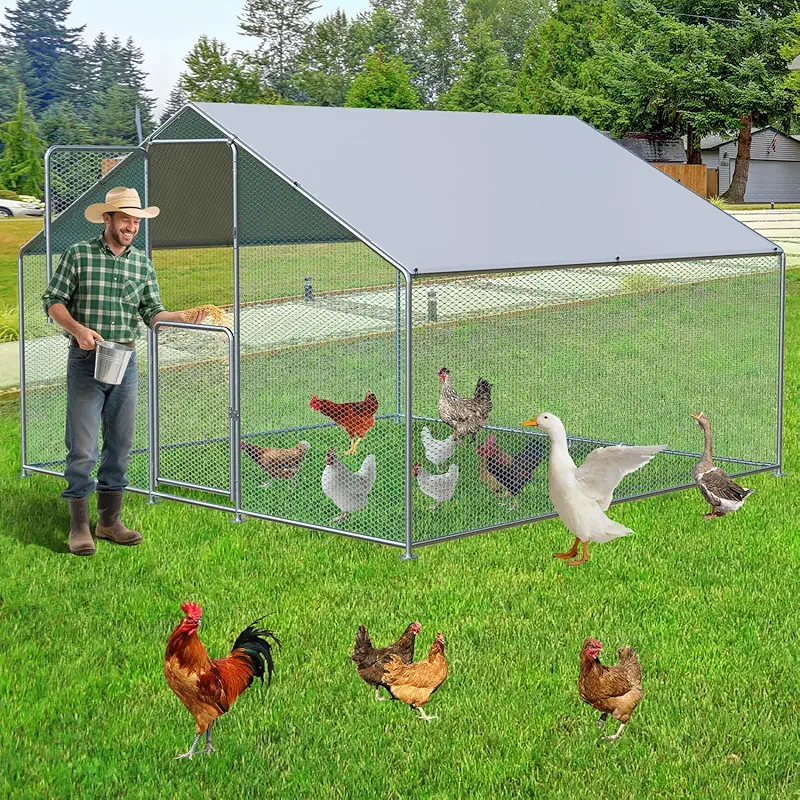
For my flock, metal chicken coops with runs have brought quieter nights, cleaner days, and a calmer heart for me. I still bend down each evening, look my old hens in the eye, and tell them, “You’re safe now, girls.” A good run lets those words be true.