
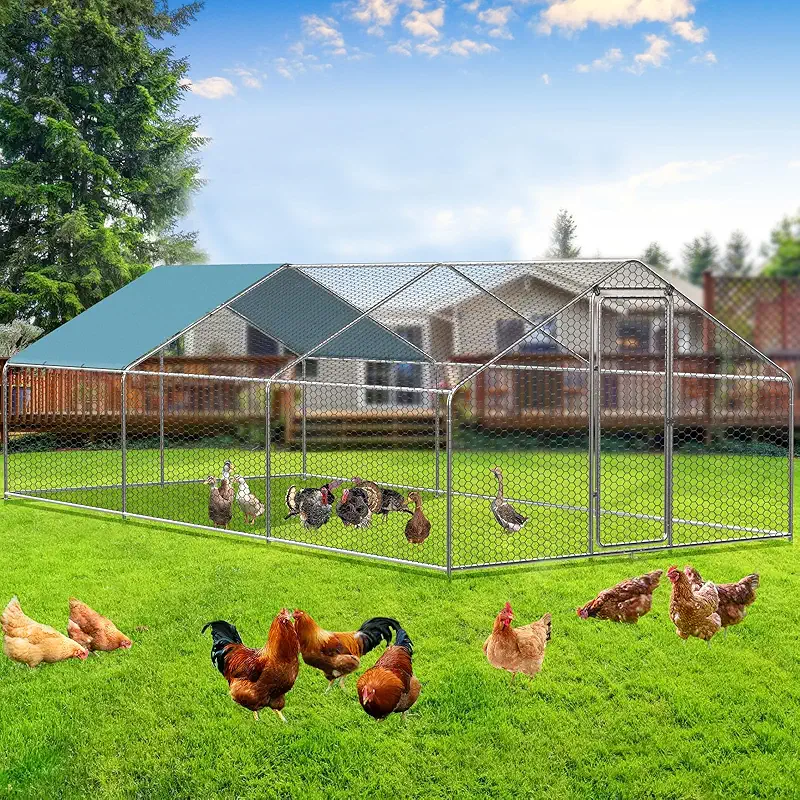
Why a metal chicken run cover changed my flock’s days
When I started keeping hens, I thought a simple open run was enough. “Chickens are tough,” I told myself. Then the first winter storm arrived. The run turned to mud, the birds huddled in corners, and their feathers stayed damp almost all day. Egg production dropped, tempers flared, and even my calm old hen Daisy started pecking others.
That season taught me that toughness has limits. My birds did not need to be brave; they needed to be protected. A metal chicken run cover became a quiet promise I made to them: “You will stay dry, you will stay shaded, and I will think ahead for you.”
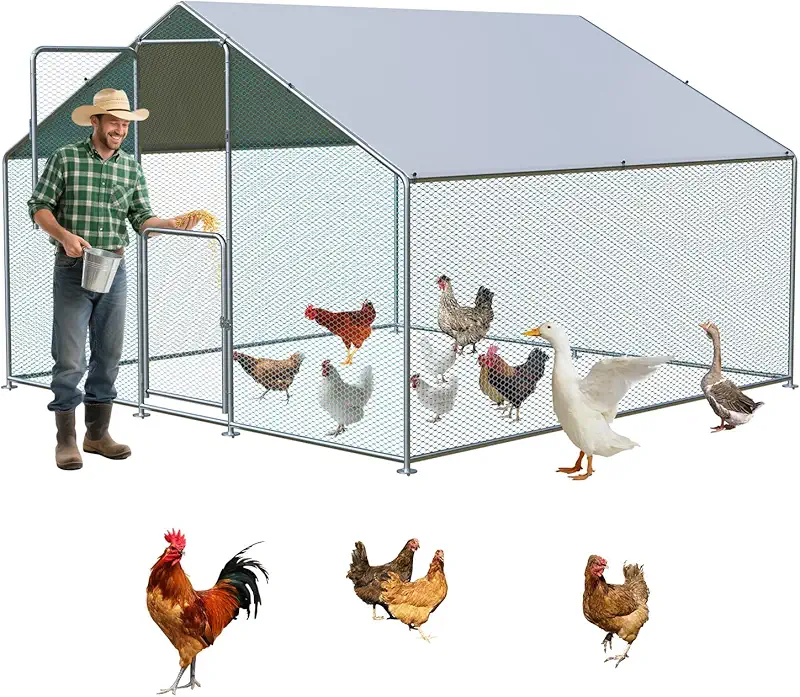
After I covered the run, mornings looked different. Instead of waiting at the pop door, afraid of the wet ground, the hens stepped out with soft little clucks. They dust-bathed under the dry patch near the wall. The rooster took his usual proud walk, checking corners. The whole flock moved with slow, easy confidence. That is the real power of a good metal chicken run cover: quiet confidence, day after day.
Benefits of a strong metal chicken run cover
When I explain to new keepers why I insist on a solid cover, I always return to four simple comforts: dry feathers, safe feet, calm minds, and clean food. A metal cover, when chosen and installed with care, touches all of these.
1. Dry feathers and healthy skin
Chickens can walk through light rain, but they hate being soaked. Wet feathers take a long time to dry, especially in cold air. Under a metal chicken run cover, my birds stay dry during sudden showers and melting snow. I notice fewer sniffles, fewer crusty nostrils in winter, and far less standing water in their dust-bath spots.
- Feathers stay fluffy instead of clumped.
- Dust baths stay usable in more seasons.
- Perches and ramps stay dry and safe.
2. Shade that calms summer heat
In mid-summer, metal can get hot, but a well-placed metal cover still protects chickens from harsh direct sun. I like to angle the cover so that part of the run gets full shade at midday. In the hottest weeks, I see my hens move as a group to that shaded area, panting less and keeping their wings closer to their bodies.
I also add a thin layer of shade cloth under part of the metal to soften glare. This gentle combination keeps the run bright enough to feel open, but cool enough that old birds and heavy breeds are not pushed to their limits.
On the hottest days, I hang a simple water mister along the shaded edge of the run, right under the metal cover. The water stays off the ground mostly, and the air feels softer for the flock.
I slide a clear plastic panel under one part of the metal cover in winter. It keeps snow out but lets light in. The hens sunbathe there on cold, bright days.
3. Protection from falling branches and predators
More than once I have found broken branches on top of my metal chicken run cover after a stormy night. Each time I imagine what would have happened if that branch had landed directly on the flock. A sturdy panel took the hit instead of their fragile backs.
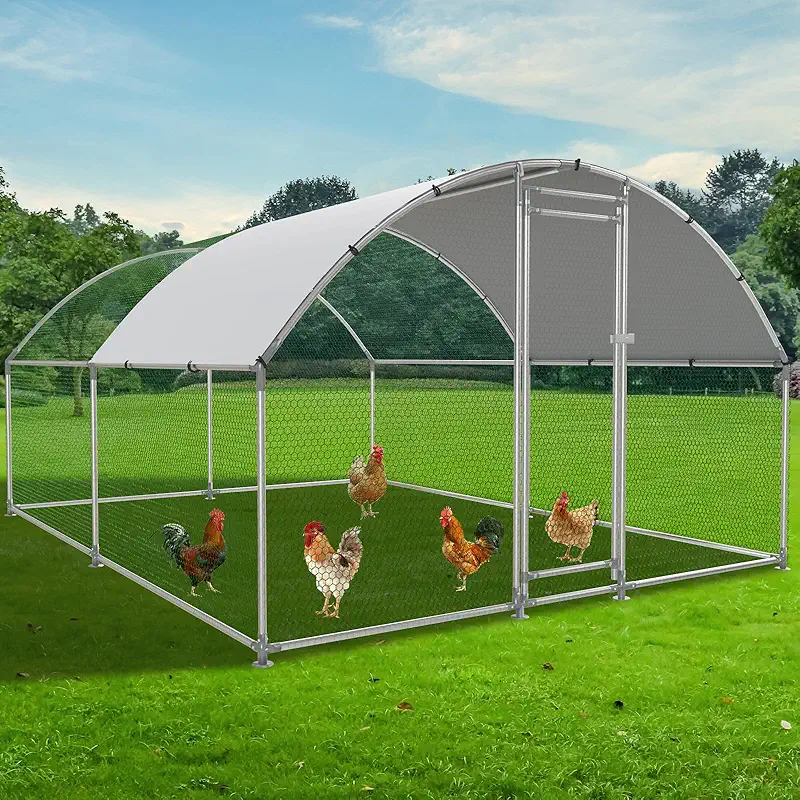
Predators also test the top of the run. I have seen hawk scratches on panels, and once I spotted a raccoon pacing along the edge at night, sniffing for a weakness. A strong metal chicken run cover gives me peace on windy nights when trees bend and animals move.
4. Cleaner feed and bedding
Before the cover, rain would splash mud into feed trays and soak the bedding near the edges. Wet feed clumps and rots fast, drawing flies and wild birds. With the run covered, the feeding area stays far drier, so I throw away less feed and spend less time scraping and replacing bedding.
When I add up all these details—health, comfort, safety, and cleanliness—a metal chicken run cover feels less like a luxury and more like a basic part of my birds’ home, as important as the coop itself.
How to choose the right metal chicken run cover
Choosing a cover is a mix of measuring, imagining your worst weather, and listening to your own habits. I like to walk around the run in a quiet moment and ask myself, “Where do my birds already like to stand? Where does the wind blow from? Where does water collect?” Then I choose a cover that supports those natural patterns instead of fighting them.
Measure with your future flock in mind
A common mistake is buying a cover that fits the run as it is today, without thinking about how the flock might grow. I made that mistake once. When I added four new pullets, the covered area felt too tight, and bickering increased on rainy days when everyone crowded under the roof.
- Measure the full length and width of your run.
- Add at least 20–30% extra space when you can.
- Think about adding a small dry “porch” near the coop door.
Metal types and what they feel like in daily use
Over the years I have worked with several kinds of metal for my runs and covers. Each one speaks a little differently in the rain and under the sun.
- Galvanized steel panels: Hard-wearing, good in snow and heavy rain, and familiar. This is my go-to for stormy climates.
- Coated steel mesh: Lighter, lets in more air and light, good when you pair it with tarp or shade cloth.
- Powder-coated tubing with metal roof panels: Clean look, kind on the hands during installation, often used in modular walk-in runs.
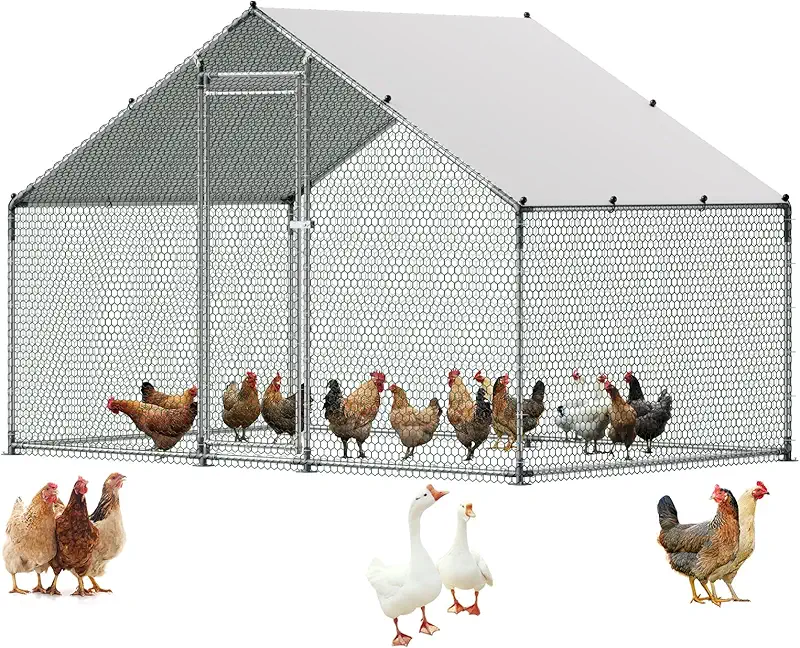
When I touch the metal, I imagine cold January mornings and hot July afternoons. Is it solid enough to take a heavy snow load? Can I add a shade cloth or windbreak if needed? Smooth, coated surfaces rust more slowly and are kinder on your hands when you need to clean or adjust things.
Angle, runoff, and staying ahead of puddles
A metal chicken run cover works best when water knows where to go. A slight angle is your friend. I tilt my panels so that rainwater flows away from the main footpath and the feeding area. I also place a shallow gravel strip where water lands, so mud cannot build too quickly.
- Use at least a gentle slope so water moves off fast.
- Direct runoff away from coop doors and gates.
- Check after the first heavy rain and adjust low spots.
Using a metal chicken run cover across the seasons
A good cover stays all year, but how you use the space under it changes with the seasons. I like to think of it as a flexible stage. Sometimes it hosts dust baths, sometimes windbreak panels, sometimes extra roosts for long summer evenings.
Spring: Mud and first storms
In early spring, snowmelt and rain make the ground heavy and wet. Under the metal chicken run cover, I lay down a thick layer of wood chips or coarse sand. It gives the flock a solid, dry surface while the rest of the yard slowly drains. When thunderstorms roll in, I stand by the window and watch them stay calm instead of racing for cover at the last moment.
Summer: Heat, dust, and long days
Summer is when I am most grateful for reliable shade. I hang simple toys and cabbage heads from the covered roof so the birds can peck and play in the coolest part of the run. Their dust-bath area stays dry and loose, not packed into hard mud.
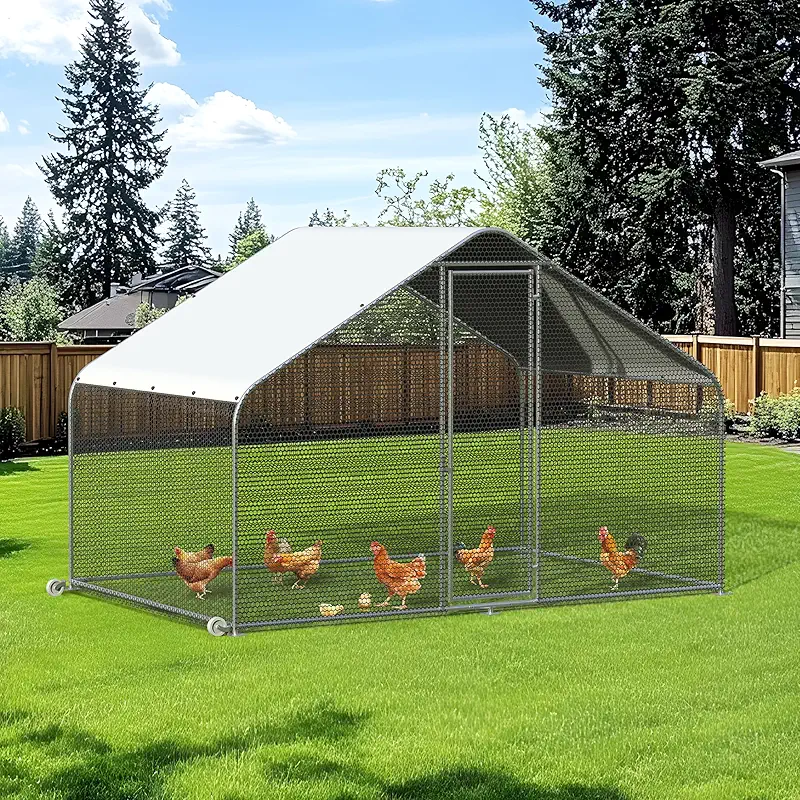
On the worst heat days, the flock lies flat in the shade, wings slightly open, eyes half-closed but calm. I bring cool water and talk to them softly. The metal roof above us crackles lightly as it expands in the sun, a sound we have all grown used to.
Autumn: Leaves, wind, and quiet evenings
As leaves fall, the cover stops them from piling into feeders and waterers. I sweep the top every now and then, more as a small act of care than a strict chore. In gusty winds, I can see the birds holding feathers closer to their bodies, yet staying in the covered area, still scratching and talking. They are protected from sudden gusts and most blowing debris.
Winter: Snow load and gentle light
In winter, the metal chicken run cover becomes our shield against snow and ice. I chose panels strong enough to handle our typical snow, and I still keep a broom near the run to knock off heavy buildup after big storms. The dry space underneath becomes a winter playground: scratch grain scattered on straw, low perches, and safe corners where even shy birds feel brave enough to explore.

I notice that egg laying stays steadier when birds can move freely under a dry roof all winter. They exercise more, breathe less damp air, and keep their minds busy with natural scratching and pecking. That steady rhythm seems to matter as much as any special feed.
Small details that make a metal chicken run cover feel like home
A roof alone is good. A roof with a few thoughtful touches becomes a place your flock loves. Over time, I have added little comforts under my cover that cost almost nothing but change how the space feels.
Soft edges and quiet sounds
Metal can be noisy in heavy rain. My hens got used to it, but I still softened the experience for them. I hung a few pieces of old tarp along one edge to break the sound, and I added wooden perches that do not echo when they land. This made storms feel less overwhelming, especially for young pullets on their first rainy nights.
Perches, swings, and little adventures
Under the metal chicken run cover, I screw simple brackets into the posts and slide in wooden poles. Some are low for older hens, some higher for the braver ones. They jump up, shuffle for position, and watch the world outside the run. I also hang a gentle swing for the lighter birds; some ignore it, others claim it as their own lookout spot.
Dry corner for you, too
I always leave a little space under the cover just for myself: a small stool or crate to sit on, a hook for my coat, a dry corner for tools. When your own feet stay dry and you feel comfortable, you visit the run more often, notice small problems sooner, and enjoy your flock more deeply. That connection is good for the birds and for your own heart.
My honest thoughts on ready-made metal run covers
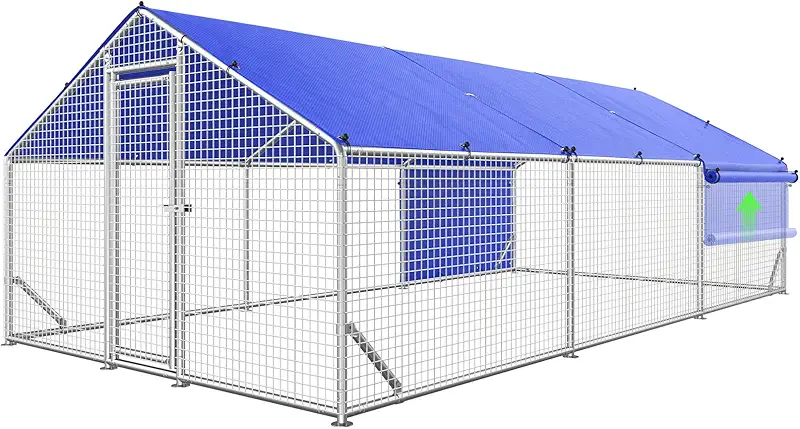
I have built covers from scratch and also used ready-made metal chicken runs with integrated covers. Both can work well. A pre-made structure can be a relief if you are short on time or tools. Many are designed so that panels and covers fit together neatly, which reduces gaps and weak spots.
When I look at ready-made options, I pay close attention to the frame thickness, the type of mesh, and how the metal cover attaches. I look for sturdy joints, good coating, and simple ways to add windbreaks or extra shade later.
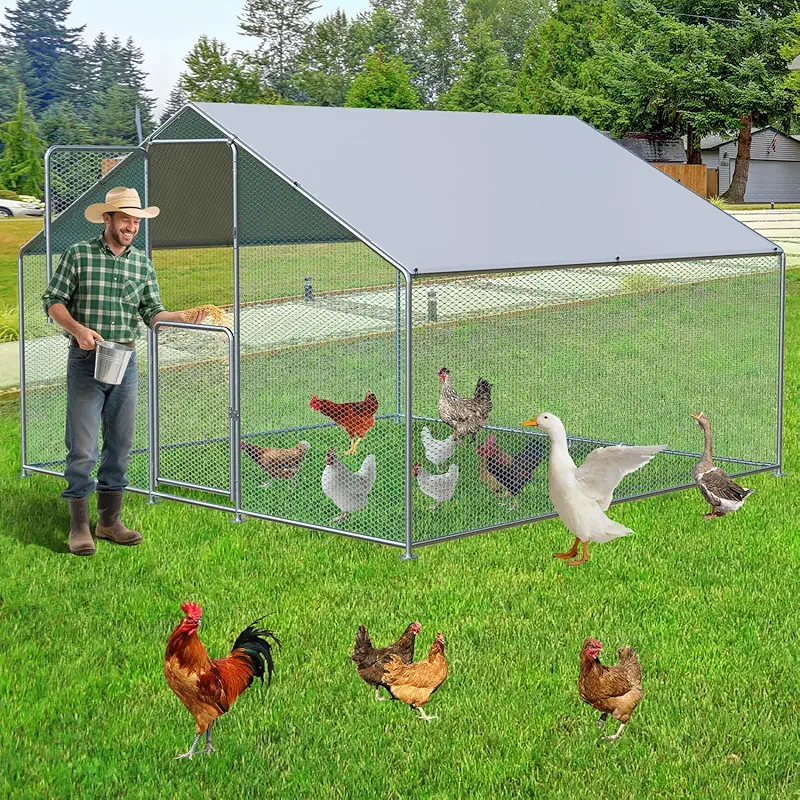
I also like when I can walk inside the run without bending too much. Being able to stand up under the cover makes cleaning and caring for birds much less tiring. The easier it is to move around, the more likely you are to keep the space fresh and inviting.
If you feel that your flock deserves a dry, safe roof over their favorite scratching ground, a solid metal chicken run cover is a kind step in that direction. Take your time, look at a few sturdy options, and choose the one that you can maintain with love.
FAQ about metal chicken run covers
They can survive without it, but life with a cover is gentler. Dry ground, calmer shade, and some protection from falling branches and predators make a big difference. I have watched birds in open runs and covered runs, and the covered birds spend more time scratching and less time hiding or huddling. For me, that quiet confidence is worth it.
It can, if there is no shade planning. I place my metal chicken run cover where it can create shade at midday and I add light shade cloth for the brightest weeks. Good airflow on the sides also matters. With these simple steps, the run under my metal cover stays cooler than the open sunny yard, and my birds choose that shaded space during the hottest hours.
Think honestly about your heaviest typical snow. I choose panels and frames that feel a little “overbuilt” for my area, and I still knock snow off after big storms. A gentle slope helps snow slide off. If your winters are serious, do not rely on very thin, unsupported sheets. Your birds sleep under that roof; give them the same safety you would want for your own home.
Yes, I have done this on one of my older runs. I used metal brackets and strong screws to connect the panels to the wooden frame, and I checked every joint by hand for wobble. Over time, I keep an eye on the wood for rot and replace weak boards before they fail. The mix of wood and metal feels warm and sturdy when it is cared for regularly.
Watch them on a rainy or very bright day. Under a good metal chicken run cover, they spread out instead of crowding corners. They dust-bath more, do gentle preening, and even lie down with wings slightly loose. Voices stay soft and regular instead of sharp and anxious. These are small signs, but when you know your birds, you feel the change clearly.