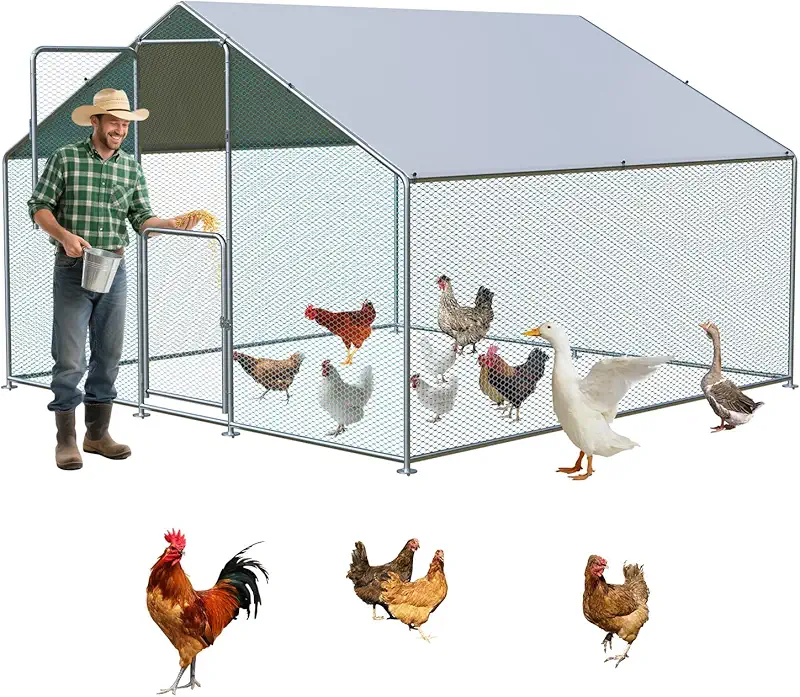
Metal roof for chicken coop

Metal roof for chicken coop

Warm tips from a gentle chicken keeper who has learned, sometimes the hard way, how a good metal roof can keep hens safe, dry and calm all year long.

I still remember the night a heavy storm tore the old plywood roof off my first coop. The hens were soaked, scared and piled together in one corner, shivering under the flashing sky. That was the moment I promised them, and myself, that their little home would never feel that fragile again.

Since then I have tried plastic, wood, and finally a strong metal roof for chicken coop designs on my land. After many winters, hailstorms and hot summers, the metal roof is the only one that lets me sleep without listening for every gust of wind. The girls stay dry, the coop smells fresher, and I spend more time watching them scratch than repairing things.

Let me see options
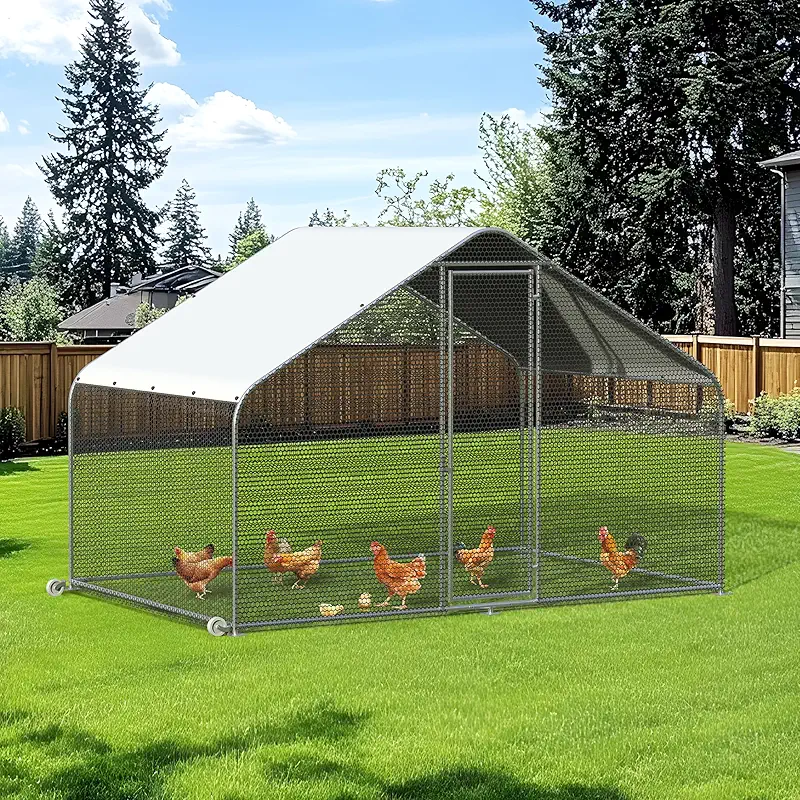
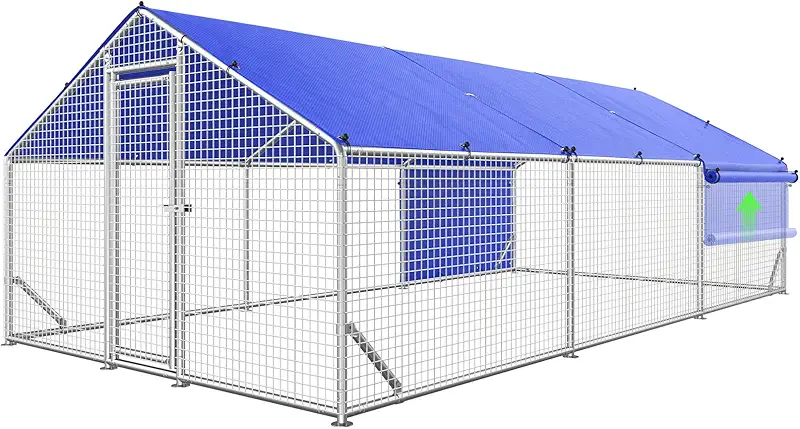
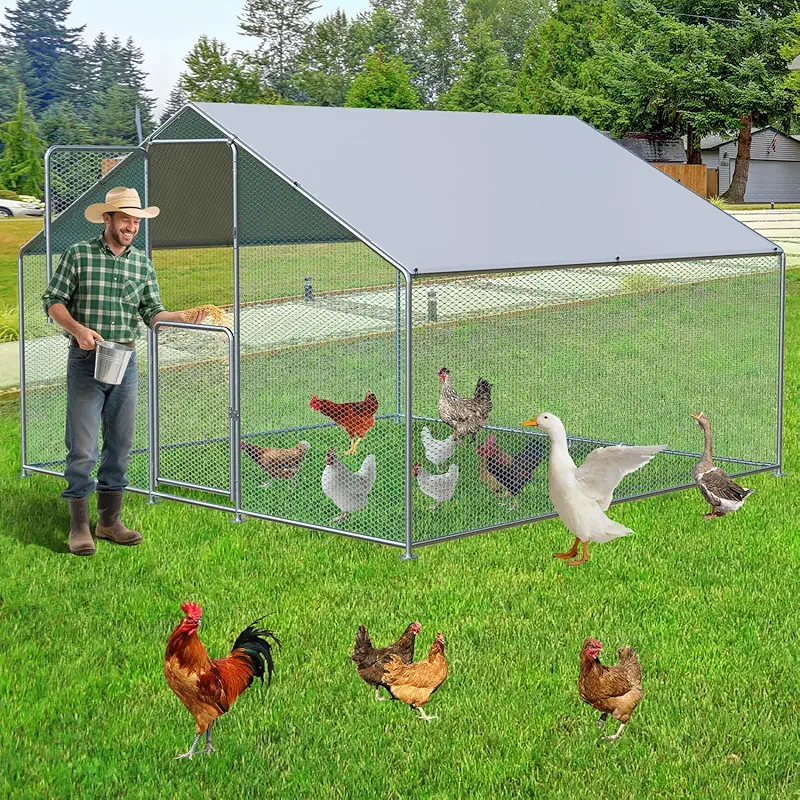
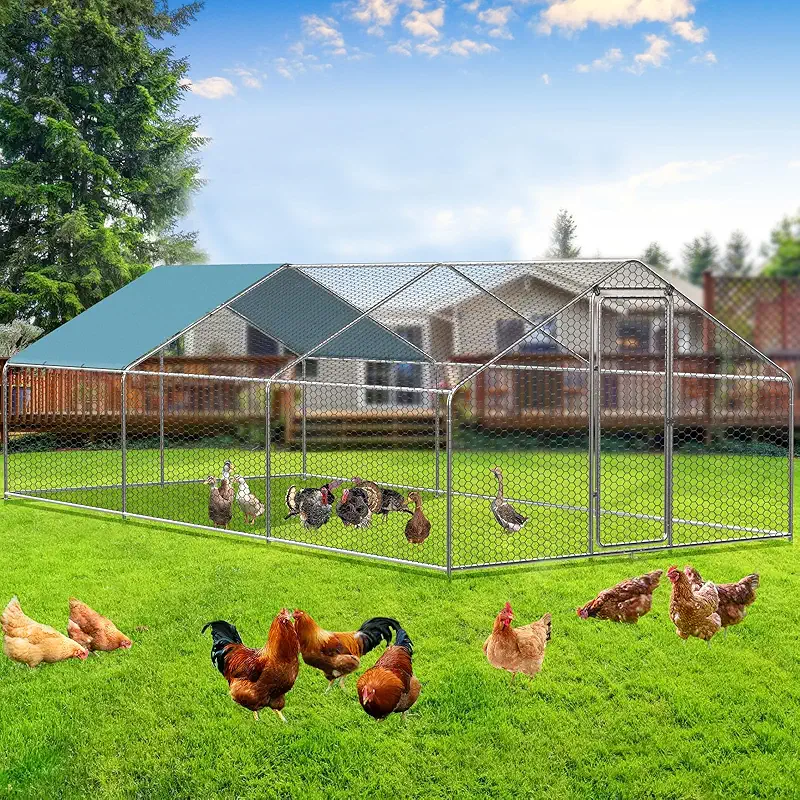
You will find different metal panels and complete metal chicken runs that work wonderfully as a strong roof above your birds.

Why a metal roof matters so much to your flock

Chickens are brave in their own little way, but they are also delicate. Their feathers keep them warm, yet a drafty or leaky roof can chill them to the bone. A calm, dry coop is not a luxury for them, it is safety. When I changed from soft, sagging boards to a solid metal roof for my chicken coop, I could actually see the difference in how my hens behaved during bad weather.

On rainy nights they no longer pace and cluck nervously. Instead they settle on the perch, fluff up, and close their eyes. During summer heat the reflective surface and better airflow help them stay cooler. A good metal roof is like a strong, quiet hand above their heads, saying, “You are alright here.”

Key benefits
  • Keeps the coop dry in heavy rain and snow, protecting bedding and feed.
  • Stays strong against wind, hail and curious predators trying to climb or push.
  • Does not warp or rot like wood, so it protects your hens for many years.
  • Easy to clean, hose down and disinfect when needed.
  • Makes it simpler to add gutters, shade cloth or extra insulation.

Different ways to use metal for your chicken coop roof

Over time I have tested metal on small backyard coops and on long walk-in runs. The nice thing is, you can use metal roofing in several ways. You can place panels directly over a wooden frame on a classic coop, or you can choose a full metal chicken run where the roof, walls and frame are all made of steel tubes and mesh.

When I was younger and had very little money, I started by putting second-hand corrugated metal sheets on a simple wooden frame. It looked rough, but it kept the rain outside. Later, when foxes and raccoons became bolder, I moved to a full metal run and then added stronger roof panels over it. The hens did not care what it looked like. They only cared that no water dripped on their heads when they slept.

The products you can see when you follow the button above include both individual metal roofing sheets and complete metal chicken coops with built-in roofs. The right choice for you will depend on how many hens you have, how much space you can spare, and how wild the weather becomes where you live.

Quick ideas
  • Use metal roof panels over a wooden coop body to get the best of both worlds: warm wood walls and a tough metal cap.
  • Cover an open metal run with extra metal sheets on top to reduce rain and provide shade.
  • Place clear polycarbonate pieces along with metal sheets if you want some soft daylight inside.
  • Add a gentle slope so rain slides off instead of pooling and causing rust or weight.

How to choose a metal roof for chicken coop without stressing over it

Some people get stuck for weeks trying to choose the “perfect” metal roof. I understand that feeling. These birds are not just livestock; they are quiet friends who greet you every morning. But perfection is not needed. Solid, simple and safe are more than enough.

When I stand in a store or scroll through options online, I ask myself three gentle questions.

1. Will this keep them dry in my worst storm?

Think back to the harshest weather you have seen in your yard. Driving rain from the side, maybe snow that piles on everything, or hail that hits like pebbles. A metal roof for chicken coop use should sit firmly on its frame, have an overlap between panels so water cannot creep in, and should be fixed down with screws and washers that will not loosen easily.

If winds are strong where you live, look for sturdy metal runs or panels that mention a thicker gauge of steel or an upgraded frame. On my hill, gusts can be loud, so I prefer runs with a rectangular metal frame and extra cross bars. It means I do not have to dash out at midnight to rescue a roof.

2. Is it kind to cleaning and daily chores?

You will be the one changing bedding, refilling feeders and checking on sleepy hens at night. A low, cramped roof makes that harder. A walk-in metal run with a decent roof height changed my routine. I could stand up straight, carry buckets without bumping my head, and clean more often because it was not a struggle.

Smooth metal panels allow droppings, dust and cobwebs to rinse off with a quick spray from the hose. In springtime I like to give every surface a deep wash and let the sun dry it. Metal roofs make that process easy and satisfying.

3. Does it suit the size and habits of your flock?

A tiny tractor with a low metal roof might be enough for three gentle hens that mostly free-range. But a big, lively flock that must spend wet days inside needs higher ceilings and more square feet under that roof. I always tell people: watch your chickens and let them guide you. If they peck and quarrel on rainy days, they may not have enough covered space.

When my flock grew from six to fourteen birds, I saw more small fights on rainy afternoons. Extending the metal roof over a larger run gave them more dry ground to explore. The arguments almost disappeared, and the whole group seemed calmer.

Remember that you can start small and then extend the roof area later by adding extra metal panels. A flexible metal frame makes that job gentler on your back and your wallet.

Examples of metal structures that work well as a roof

To give you clearer pictures in your mind, let me describe a few types of metal setups that I have used or seen in friends’ backyards. You may find something very close to these when you follow the link to the products.

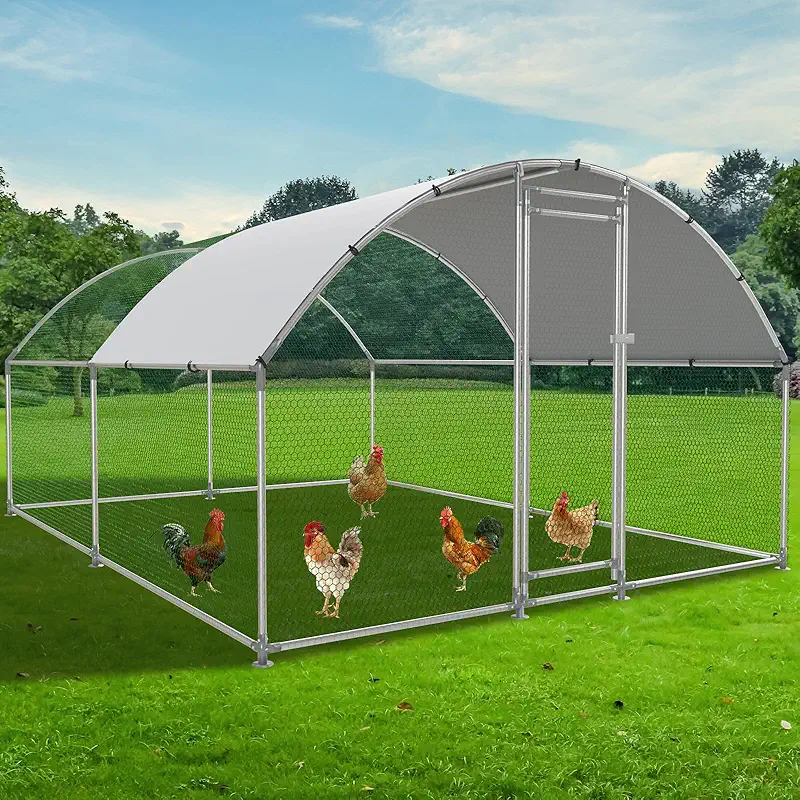
Long metal walk-in chicken run with arched roof
Usually mid-priced Good for medium and large flocks

This kind of structure looks a little like a greenhouse made from tubes and wire mesh. The roof is a gentle arch of metal, often covered with mesh and sometimes with extra metal or waterproof fabric on top. I like this style because it gives my birds space to flap their wings and even hop to catch bugs that fly inside.

When you add a stronger metal roof layer on top of the arch, rain slides off the curve instead of sitting on the surface. Snow tends to fall away too, which is friendly for people in colder areas.

This looks like mine
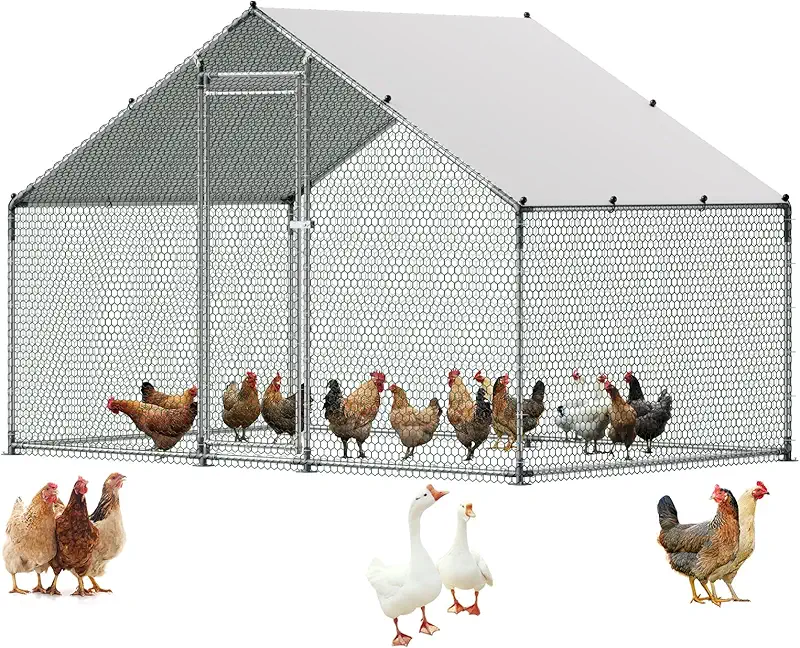
Rectangular metal coop with flat or slightly sloped roof
Budget to mid range Nice for small city flocks

These coops are usually box-shaped with a pitched or lightly sloped metal roof. They fit well in a suburban yard where space is tight. I appreciate that they often come with doors at human height, making egg collection and cleaning much easier than crawling into a tiny wooden triangle.

When used as a metal roof for chicken coop on a patio or near the house, this style looks tidy and is quick to assemble. If the roof slope is gentle, I still add a bit of sealant around screws and overlaps to be sure no water sneaks in.

I want this feel
Heavy-duty metal frame with strong panels on top
Often higher priced Built for rough weather and predators

For people who face coyotes, raccoons, strong dogs or really fierce storms, a heavier frame is gentle peace of mind. In my windiest corner, I use thick metal tubes anchored deeply in the ground with long screws or stakes. Over that I place solid metal sheets with decent overhang so rain does not run back into the coop.

This setup takes a bit more time and care to assemble, but after that it almost disappears from your worry list. You still need to check for rust and loose screws once or twice a year, yet that feels small compared to repairing broken boards after every big storm.

Feels safe for us

Practical tips from years under a metal roof

Living many seasons beside my chickens has taught me some little habits that make a metal roof for chicken coop even more gentle for the birds and easier for me. None of these are complicated, and you can add them slowly over time.

Keep the sound comfortable

The first time hail hit my new metal roof, I jumped. The noise can be surprising. My older hens did not mind much, but younger pullets looked startled. To soften the sound, I stapled a simple layer of thin plywood under part of the roof above the roost and added a bit of insulation in another spot. It was not perfect carpentry, but it made the coop much quieter.

If you live where heavy rain is normal, you can also hang a few pieces of old blanket or foam on the walls inside. It will not stop the noise fully, but it will take the sharp edge off, which helps timid birds relax.

Watch the temperature

Metal can get hot in full sun, especially dark colors. A light or reflective metal roof, combined with shade from a tree or a simple shade cloth, keeps things kinder. I like to sit in the run during the hottest part of the day and feel the air myself. If I feel uncomfortable, I know the hens do as well.

You can leave a small gap at the top of the walls, safely covered with mesh, to allow hot air to escape. This kind of gentle airflow is often enough to prevent stuffiness without causing drafts directly onto the birds at night.

Prevent rust before it starts

Where rainwater drips often, rust can slowly appear. I make it a quiet ritual every autumn to walk around the coop with a cup of tea, looking for any small brown spots on the metal. When I see them, I scrub them gently and touch them up with rust-resistant paint.

I also check that the ends of the metal sheets do not sit in wet soil. Lifting them slightly and letting them overhang a wooden beam or the frame helps them stay dry and last longer.

Think about snow and leaves

In snowy areas, aim for a roof that lets snow slide away, like an arch or a steep slope. For me, even just tightening the angle of a flat roof made a big difference in how much snow it held. In autumn, leaves love to pile on top; a quick brush with a broom now and then keeps water from pooling and seeping into screw holes.

My daily routine under a metal roof

I want to share what a normal day with a metal roof for chicken coop feels like, because sometimes we focus so much on materials that we forget the rhythm of living with them.

In the early morning I open the coop door and listen. If I hear only gentle clucks and rustling feathers, I know the night was calm. I step into the run, look up at the roof, and quickly scan for any new sagging or strange gaps. This takes seconds now because the metal structure does not change quickly.

During heavy rain, I like to stand just inside the door and watch how the water flows off the roof edges. If I spot any place where water wants to run back along a beam and drip inside, I make a small mental note. Later, when the sun returns, I adjust the angle a bit or add a small strip of flashing. These little corrections keep the inside dry for years.

One evening, after a week of constant showers, I walked into the coop and realized the bedding was still fluffy and smelled like clean straw. In my old wood-roof coop, this same weather would have turned the floor into a damp mat. That simple difference made me deeply grateful for the metal roof above us.

When I close the door at night, I often rest my hand on the cool metal frame. It is my quiet way of thanking it for standing between my birds and the rougher side of the world outside.

Extra inspiration from real metal coops

To help you picture how all of this can look in a real backyard, here are a few more metal chicken setups similar to those you may see when you open the product page. Each one can serve as a strong base for a metal roof for chicken coop needs, and you can always add your own small touches, like nesting boxes, perches and windbreaks.

Compact metal run with side door

A small but sturdy metal run with a firm roof is often enough for a handful of birds in a city yard. Adding a simple wooden nesting box inside gives it a warmer heart. You can move this style of run from one patch of grass to another if your ground allows it, giving your hens new places to scratch while keeping them safe from hawks.

Something like this
Spacious metal yard with full roof cover

For larger flocks, a wide metal yard with a roof over every inch of the run is a blessing during long wet seasons. Feed stays dry, dust baths do not turn into mud pits, and you can sit on a stool under the roof while you watch them peck and murmur. This is my favorite style for yards that turn to soft clay after every storm.

My hens need space
Tall metal coop that you can walk into fully

Being able to walk upright inside the coop changes your relationship with it. You stop seeing it as a chore and start treating it like another small room of your home, one that just happens to hold feathers instead of furniture. A tall metal roof makes it easy to add sturdy roosts, hanging feeders and even a little bench for yourself.

I want to stand up
Extended metal run attached to a wooden coop

This blended style joins a cozy wooden sleeping house with a metal-framed, metal-roofed run. It is perfect if you already own a wooden coop but want to give your birds a safer, drier play area. The metal roof over the run protects them from hawks and rain, while the wood house keeps their nighttime space snug.

Feels right for us

FAQ about choosing a metal roof for chicken coop

Is a metal roof too noisy for chickens when it rains?

Rain on metal can be louder than on shingles or thick wood, but most chickens get used to it very quickly. In my flocks, the young birds were curious at first and watched the roof during heavy rain, but after a few storms they ignored the sound. If you worry, you can soften the noise by adding a thin layer of insulation or plywood under part of the roof, especially above the roosts. Hanging a few soft panels on the walls also helps absorb echo.

Will a metal roof make my chicken coop too hot in summer?

A bare dark metal roof in full sun can get very hot, but you can avoid this by choosing light-colored or reflective panels, adding shade, and making sure there is good airflow. My favorite setup has a pale metal roof, a tree nearby that throws shade in the afternoon, and top vents safely covered with wire mesh. Inside, the air stays surprisingly gentle, even on warm days, and the hens choose to rest under the roof rather than outside in the sharp sun.

How long does a metal roof for chicken coop usually last?

With normal care, a metal roof can last many years, often far longer than a simple plywood or plastic cover. The panels over my main run have already seen more than eight winters. I check them every year, scrub away any rust spots, and touch them up with paint if needed. As long as screws stay tight and water can drain away, the roof keeps serving quietly in the background while your birds enjoy their lives beneath it.

Is a metal roof safe for chickens in lightning storms?

This is a common worry, but a metal roof does not pull lightning in by itself. Lightning is more interested in the highest object around, no matter what it is made of. Many barns, sheds and coops use metal roofing safely. If storms are strong in your area, it is wise to keep tall trees trimmed near the coop and, if possible, place the coop close to other solid buildings rather than as the only tall object in a field. I have used metal roofs for years through many thunderstorms, and my flocks have always come through safely.

Can I install a metal roof for chicken coop by myself?

Many backyard keepers, including me, have put up metal roofing with just one extra pair of hands. The panels can be a bit awkward in the wind, so I like to ask a friend or neighbor to help hold them in place while I fasten the screws. If you choose a pre-made metal run or coop from the options on the product page, the pieces are usually lighter and come with simple instructions. Work slowly, keep the birds away until everything is solid, and you will feel proud every time you see your hens dry and peaceful under the roof you built for them.

Gently moving forward with your own coop

If you are reading this, it means you already care enough about your hens to think about their roof. That alone tells me you will make kind choices for them. A strong metal roof for chicken coop use does not have to be fancy. It simply needs to keep out rain, snow and claws, while letting light and air in.

Take a moment to picture your birds under a secure, dry cover during the next storm. Imagine yourself stepping inside on a wet day and smelling clean, dry bedding instead of dampness. For me, that picture was the final push I needed to move away from my old, soft roof and toward metal.

I’ll explore calmly
Look slowly through the different metal roofs and coops, and choose the one that feels gentle and steady for both you and your flock.