
Outdoor metal chicken coop
Outdoor metal chicken coop
Out in my little farm corner, I learned that a good outdoor metal chicken coop can be the quiet guardian of the whole flock. It keeps the wind away, stops the hawks above, and lets the hens scratch in peace. When the coop feels safe, the whole yard feels calm.
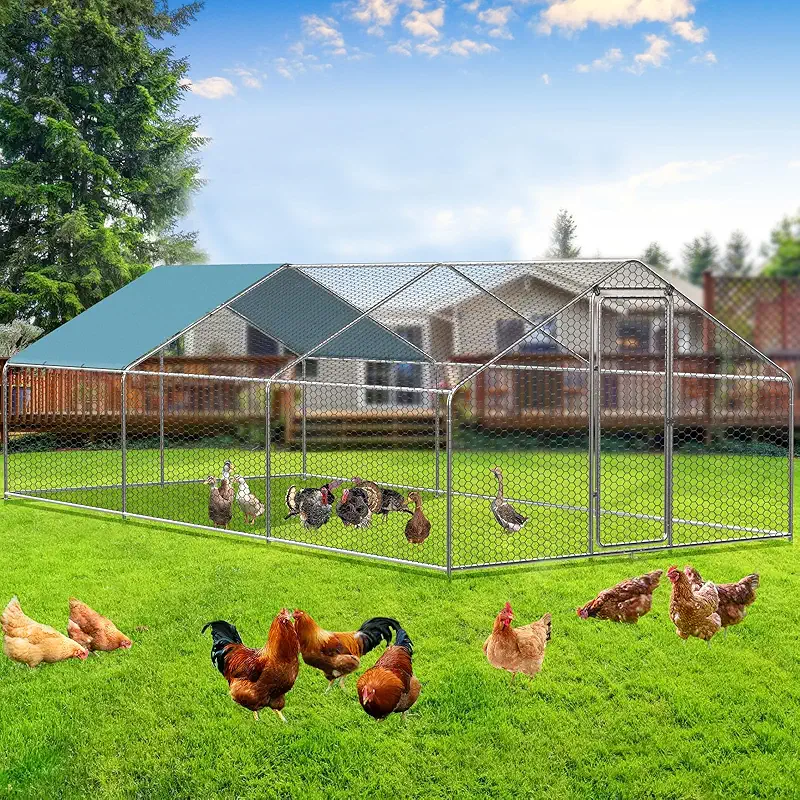
Why an outdoor metal chicken coop changed life for my hens
When I started keeping chickens, my first coop was made from old wood and leftover wire. It looked charming in pictures, but the foxes and raccoons did not care about charm. More than once I walked out at night with a flashlight and felt my stomach twist because something had pushed under the fence or chewed at a corner.
The day I switched to an outdoor metal chicken coop, the whole rhythm of the yard softened. I slept better. The hens slept better. There was a quiet feeling of "we’re safe now" that you can almost hear in the soft bedtime clucks.
Metal is not about making the coop look tough. For me, it is about removing the weak spots: no soft wood for teeth to chew, no flimsy corners to bend, no sagging roof after a heavy snow. A good outdoor metal chicken coop is like a steady, patient neighbor who stands watch while you do the rest of your chores.
How I judge a good outdoor metal chicken coop
Over the years, I have tried different runs and structures, some homemade, some bought ready to assemble. When I look at a new outdoor metal chicken coop now, I always walk through the same simple checklist in my head.
- Is the frame truly solid? Thin, wobbly poles might look fine the first week, but they bend in rough weather.
- Is the wire tight and small-meshed? I want something a raccoon paw cannot reach through and a weasel cannot slip past.
- Is there room for birds to move? Crowded hens are loud, stressed, and pick at each other.
- Does it shed rain and snow? Wet litter quickly becomes smelly, cold and unhealthy.
- Can I reach everything to clean? If I cannot step inside or reach in easily, I know I will start skipping deep cleans when I am tired.
When a coop passes these simple questions, I can already picture my hens dust bathing near the edge and stretching their wings without bumping into wire.
A tall walk‑in style outdoor metal chicken coop makes life easier for both you and the birds. I remember the first time I could walk inside without ducking. I fixed a loose feeder chain, checked every corner, and walked out without a sore back.
I like to quietly compare lengths, heights and shapes until I see one that feels right for the yard.
Metal vs wood: what my chickens quietly told me
Chickens do not write reviews, but they show you what they think. In my old wooden setup, they always huddled in the same dry corner. When it rained hard, some would stand just inside the door, unsure if it was safe to go out. With the outdoor metal chicken coop, they began to spread out more evenly, scratching along the edges and napping in sun patches near the wire.
Wood has its own charm. It smells warm, and it looks like the coops in storybooks. But in my climate, the upkeep was a constant battle: paint peeling, boards warping, damp corners growing mold. Predators learned where the soft spots were. Metal, when done properly, gave me:
- Less chewing and digging from predators because the frame and base are harder to move.
- Less warping from rain and snow, so doors stay square and latches close tightly.
- Faster cleaning because the surfaces do not soak up moisture, smells, or droppings.
- More years of use before I have to think about big repairs.
I still keep some wood inside for roosts and nesting corners, because chickens like something gentle under their feet. But for the outer shell and the main run, the outdoor metal chicken coop simply made things calmer and more stable for everyone.
When I first set up my big metal run, it looked a bit like a sturdy cage. Safe, but not very “homey.” So I added a few simple touches: a low wooden perch along one side, a pallet on bricks as a dry platform for dust baths, and a few hanging cabbage leaves. Within a week the hens had favorite spots, and the run felt less like a cage and more like a little village square.
Placing your outdoor metal chicken coop in the yard
Where you put the coop matters almost as much as which coop you choose. I once set up a run too close to a row of trees. It looked shady and nice in summer, but those branches made a highway for raccoons and squirrels. I learned to look at the yard through the eyes of a fox and a hawk, not just a human who likes pretty views.
- Choose a spot you can see from the house. A quick glance out the window morning and evening becomes a quiet headcount habit.
- Avoid low, soggy ground. Even the best outdoor metal chicken coop cannot save you from constant mud, and chickens hate wet feet.
- Give them a bit of shade and a bit of sun. I like half the run to have shade cloth or a solid roof panel, and the other half open to the sky.
- Think about wind direction. Turning the more closed side of the coop toward your harshest wind keeps drafts off roosting birds.
- Leave space around the outside. Being able to walk fully around the coop helps spot digging, fix wire, and check for signs of predators.
With metal, the coop is heavier and more permanent, so it is worth taking a slow morning to test a few spots in your mind before you set it down for good.
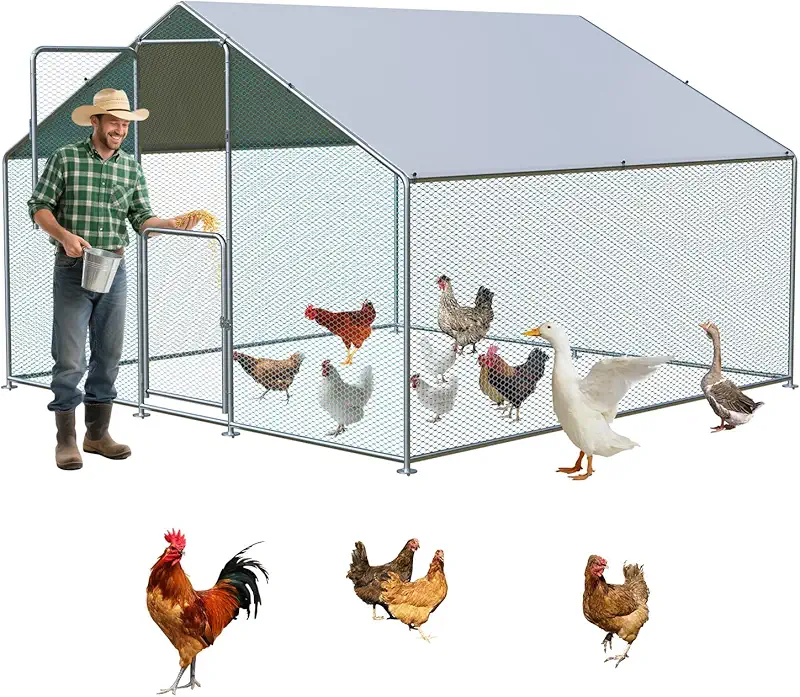
Predator protection: how metal helped me sleep at night
Anyone who has ever lost a hen to a night predator knows that the sound and the sight stay with you. After my first loss, I could not fall asleep without wondering if I had locked every door and checked every latch. The outdoor metal chicken coop did not erase my worries overnight, but it gave me far fewer weak points to fear.
Here are a few small decisions that made a big difference:
- Buried wire or apron: On the runs I like most, the wire either goes down into the soil or flares out as an apron. That way, when a fox or dog starts to dig, it just hits more metal and usually gives up.
- Strong roof panels: A real roof, even a simple metal or tarp one, keeps owls, hawks and climbing predators from dropping straight into the run.
- Small mesh size: I avoid big open squares on the lower half. Small mesh keeps little paws out and heads and beaks safe inside.
- Solid latches: Carabiners or two‑step latches stop clever raccoons who can open simple hooks.
With these things in place, I still listen for strange sounds at night, but now I usually hear only the quiet crackle of straw and the soft rustle of birds shifting on the roost.
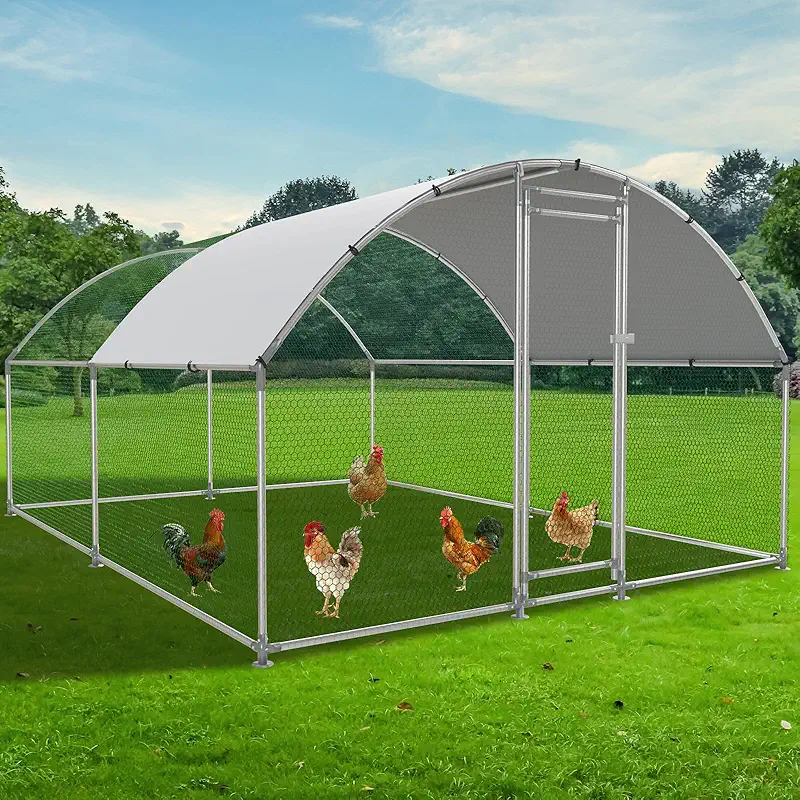
Keeping hens comfortable in every season
A solid outdoor metal chicken coop is only half the story. The other half is how you use it as the weather changes. Over the years, my birds have shown me little signs of comfort and discomfort: panting with wings held away from their bodies in heat, puffed up and hunched in cold, or calmly scratching and softly talking when they feel just right.
In summer
Metal can get warm in the hot sun, so I try to treat my coop like a parked car: never left in full sun if I can help it.
- Stretch a light shade cloth across the sunniest side of the run.
- Place water in at least two spots, one fully shaded.
- Add a low tray of sand or fine dirt in the shadiest corner for cool dust baths.
- Open any extra vents high up, where hot air gathers.
In winter
Chickens handle cold better than we do, as long as there is no damp draft blowing across their bodies. The outdoor metal chicken coop gives me a strong shell; then I add a few gentle touches:
- Hang a windbreak panel or tarp on the windiest side of the run.
- Use deep bedding under cover so feet stay dry even when the ground outside is frozen.
- Check for condensation and keep some airflow to avoid frostbite.
- Offer a bit of scratch grain before roost time so they go to bed warm.
When I walk out on a cold dawn and hear calm clucking instead of stressed calling, I know the coop and the setup are doing their job.
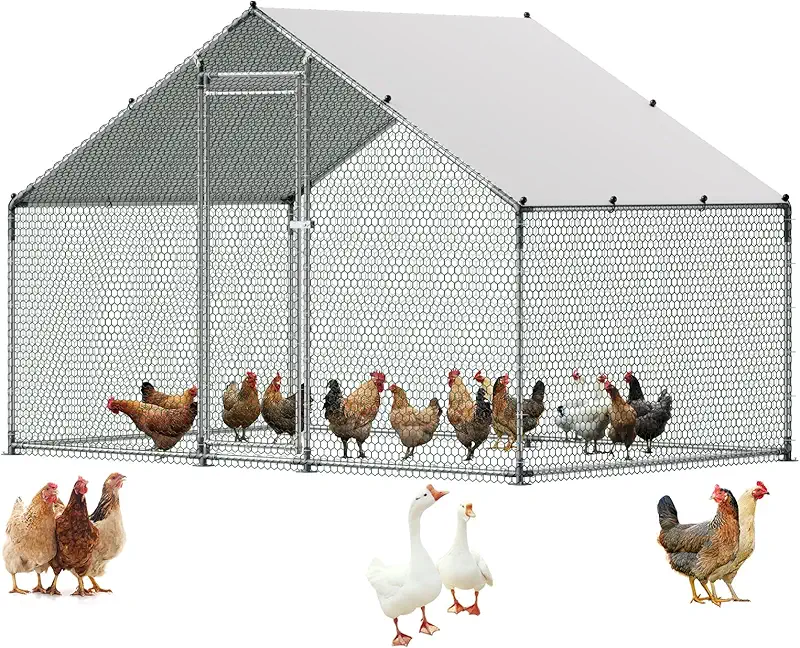
Everyday life inside an outdoor metal chicken coop
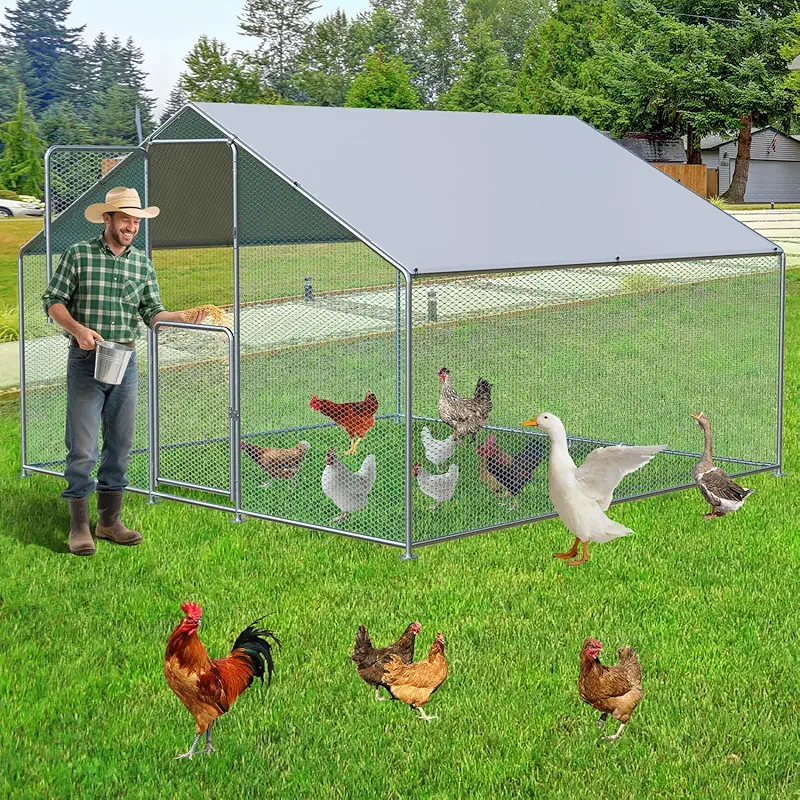
My happiest mornings start with boots on, coffee in hand, and the soft murmur of hens waiting behind the run door. A good outdoor metal chicken coop turns the morning routine into something quiet and simple, instead of a race against mud, broken latches, or scattered feeders.
Here is how I usually move through the day with my flock:
- Morning: Open the coop door into the metal run, check feeders and waterers, and toss a handful of scattered grains to get everyone moving and scratching.
- Midday: A quick peek to make sure no one is limping or hiding in a corner. If I have time, I hang a treat or refill the dust bath.
- Evening: Headcount on the roosts, check for any signs of digging around the outside, close doors and run latches.
Because the structure of the run stays firm, I can focus on the birds themselves instead of worrying about the building every single day.
Little upgrades that made a big difference
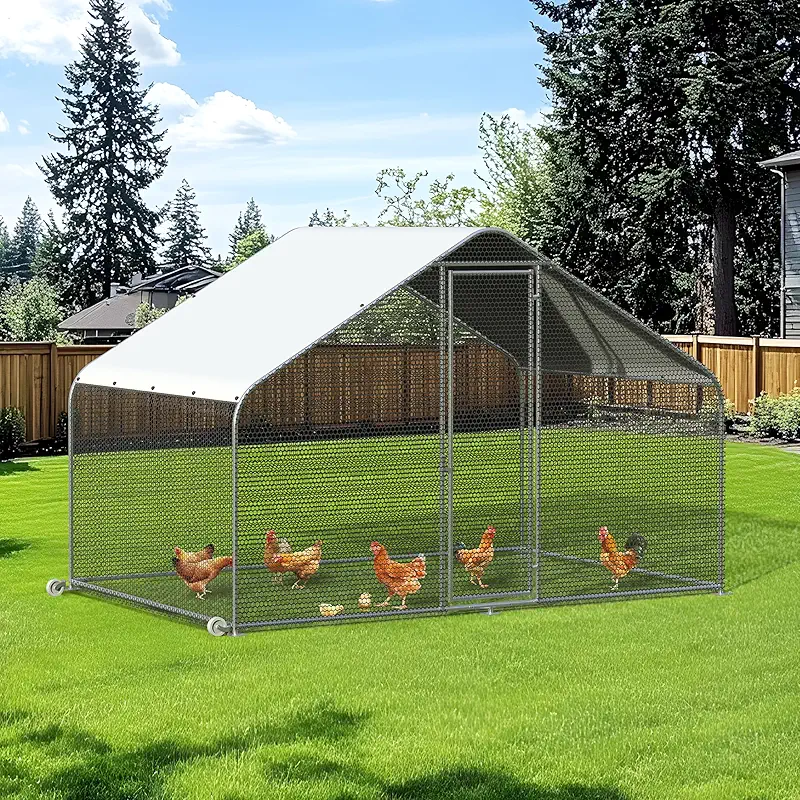
The bare frame of an outdoor metal chicken coop is just the beginning. Over time I found a few small add‑ons that made the space feel kinder and easier to live with.
- Roof panels over part of the run: Even a simple sheet of metal or plastic over one end creates a dry, protected corner for feeders and for birds who dislike rain.
- Hanging feeders and waterers: When I hung them from the metal frame, I had much less spilled feed and mess underfoot.
- Removable roosts in the run: A low perch gives younger or shy birds a “safe shelf” to rest on during the day.
- Simple floor grid in muddy seasons: In my wettest months, a bit of sturdy grid or pallets under deep bedding keeps things from turning into a swamp.
None of these changes were fancy or expensive, but each one made the coop feel more like a steady home instead of just a fenced box.

If you are picturing your own flock inside a safe outdoor metal chicken coop right now, it might be a good moment to quietly look at some shapes and sizes and see what matches your yard.
I’ll just compare a bitChoosing the right size for your flock
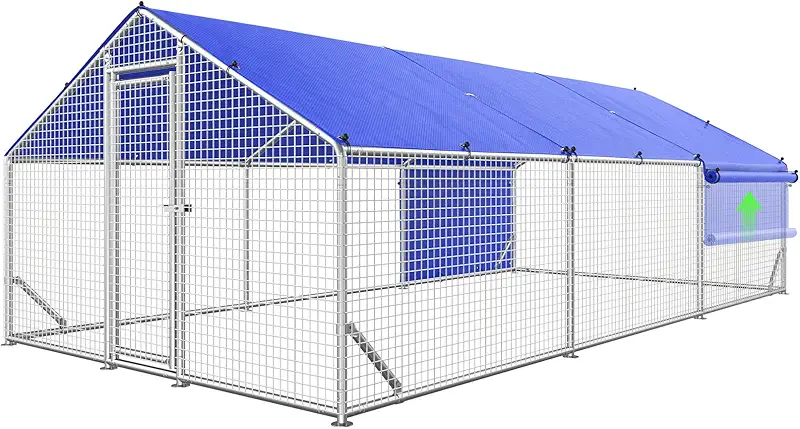
I have learned the hard way that flocks often grow. A neighbor needs to rehome a hen, a chick turns out to be a favorite, or you fall in love with a new breed. When I look at an outdoor metal chicken coop now, I do not just count today’s hens. I add a couple of “maybe someday” birds in my head.
As a gentle rule of thumb:
- For light breeds, I like at least 8–10 square feet of run space per bird.
- For heavier or more active breeds, a bit more is always welcome.
- If your birds spend many hours locked in the run, lean toward more space, not less.
When birds have room to move, there is less pecking, fewer feather problems, and a calmer feeling in the flock. The outdoor metal chicken coop becomes a place where they want to explore, not just wait to be let out.
Cleaning and caring for a metal coop
One of the kindest things we can do for our birds is keep their living space clean without turning it into a huge burden for ourselves. A big reason I appreciate an outdoor metal chicken coop is that it stays easier to wash and dry.
My simple routine looks like this:
- Weekly: Rake or shovel the worst of the droppings and wet bedding from high‑traffic spots and add a thin layer of fresh material.
- Monthly: Pick a dry, breezy day, move feeders and waterers, and hose down the metal frame and wire where droppings have splashed.
- Seasonally: Do a deeper clean, scrape any stubborn spots, and check every joint and corner for rust or loosening.
Because metal does not soak in moisture, smells tend to move on quickly when given air and a bit of sun. That keeps both hens and humans more comfortable.
Outdoor metal chicken coop – FAQ
If your heart is already walking through the yard, picturing hens safe behind sturdy wire, it might be time to look more closely at a few outdoor metal chicken coop options and see which one feels like home for your flock.
I’ll explore calmly now