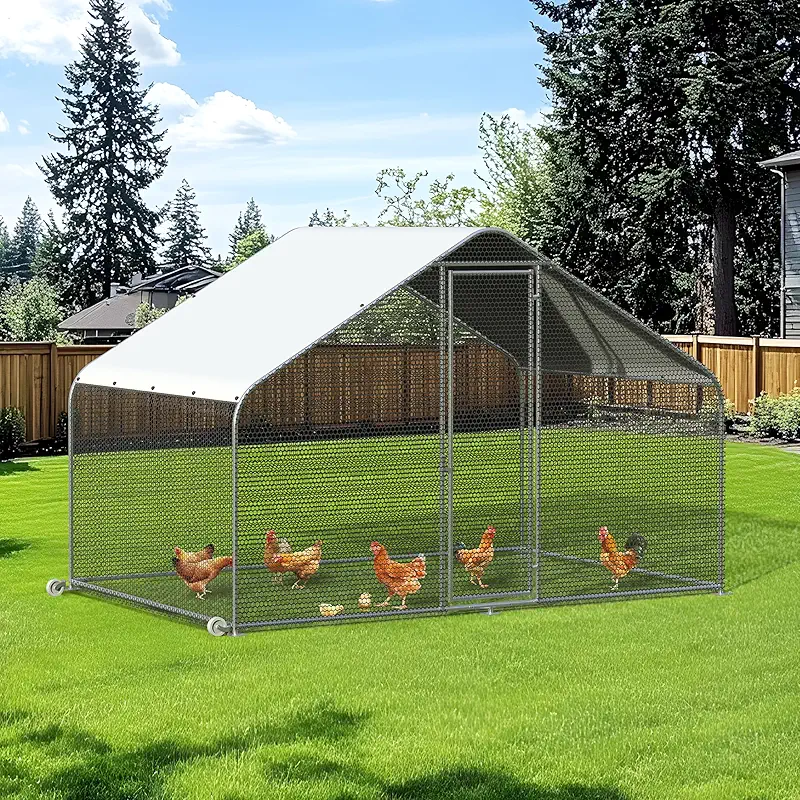
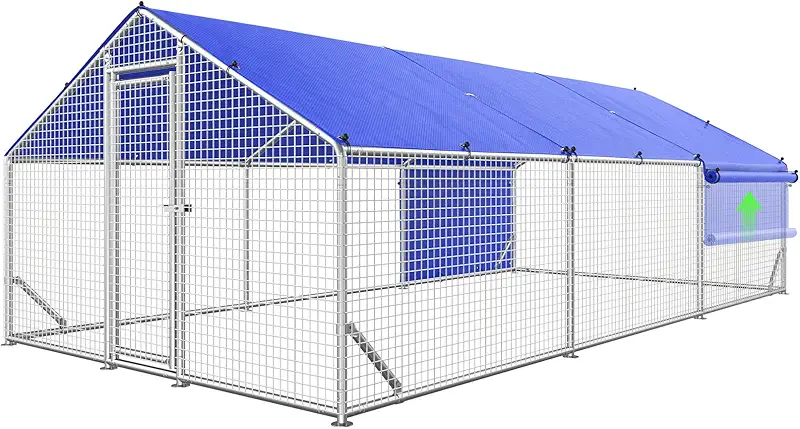
Small metal chicken coop
Small metal chicken coop guide
Small metal chicken coop choices can feel confusing when you just want your hens to be safe, calm, and dry. I have raised chickens for many years, and I know how it feels to wake up at night worried about raccoons, wind, or heavy rain.
In this page I will speak to you like I speak to my neighbors: simple words, honest stories, and the quiet little details that make life easier for both you and your flock.
When I moved my first hens into a small metal chicken coop, I did it because my old wooden shed started to rot at the bottom. The corners stayed damp, mites found their way in, and cleaning became a weekly battle. A compact metal run changed that. It kept its shape, stayed cleaner, and my hens seemed more relaxed because I could keep their space dry and bright.
Metal alone is not magic, though. You still need the right size, good shade, and cozy places to roost and lay. On this page I will help you understand what really matters in a small metal setup, and I will show you some options that have worked well for me and for other gentle chicken keepers I know.
If you are already picturing your hens scratching around in a safe little yard, you can take a quiet look at some sturdy small metal coops I like. I always imagine my oldest hen, Rosa, when I judge a coop: would she feel calm in there, or would she pace the fence?
Let me browse calmly
Why a small metal chicken coop can feel like a safe nest
People often think metal feels cold or harsh. I used to think that too. But the truth is, a small metal chicken coop is just a frame and a shell. What your hens feel every day is the bedding, the light, the fresh air, and your visits with a small bucket of feed. Metal simply gives you a strong, easy-to-clean skeleton that keeps everything together.
When I switched from old wood to metal runs, these were the first things I noticed:
- Less worrying at night. Welded wire and solid frames made me feel calmer when I heard coyotes or neighborhood dogs in the distance.
- Quicker cleaning. Smooth surfaces and good access doors meant I could rake, scrub, and refill in a fraction of the time.
- More light. Most small metal runs use open mesh sides, so I could control shade with tarps and plants instead of trying to fix dark, damp corners.
- Easy to expand. When “just four hens” became eight (it always does), I could add another panel or small run instead of rebuilding everything.
Of course, metal can also get hot in the sun and chilly in strong wind. The trick is to think like a hen. They want dry feet, quiet corners, and a clear view of the world. With that in mind, let me walk you through what I look for when choosing a small metal chicken coop.
Key features of a good small metal chicken coop
Safe space for the number of hens you truly have
Most guides will tell you numbers like “3–4 square feet per hen inside, and 8–10 square feet per hen in the run.” These numbers are useful, but I like to add another question: how much time do your hens spend locked in?
If your birds only sleep in the coop and free-range all day, you can be a bit tighter. If they stay inside the run for many hours, they need more room to stretch, dust-bathe, and avoid little arguments.
For a compact small metal chicken coop, I try to give at least:
- 3–4 hens: a tight but cozy run with space to flap wings, one or two low roosts, and at least one nesting box.
- 5–6 hens: a longer rectangle so they can walk in a line, two or three levels of perch, and two nesting boxes.
- More than 6 hens: I prefer two smaller runs side by side instead of one crowded space. This keeps the shy hens from being pushed into corners.
My smallest metal setup holds four hens. They sleep in a wooden house, but their attached metal run gives them a safe yard from dawn to dusk. Watching them stretch out in the sun inside that secure space reminds me why I stuck with metal structures.
Strong frame, gentle living
The words “galvanized steel frame” sound technical, but what matters is this: will the coop stay straight when the wind pushes, and will the door still close nicely after one or two winters?
On a good small metal chicken coop, I check:
- Frame thickness: sturdy tubes or bars that do not bend easily when you press them.
- Mesh quality: no large gaps near the bottom, and a feeling of solid welding where wire meets frame.
- Door locks: latches that need a human hand, not just a smart raccoon paw.
Once the “hard” parts are safe, we can focus on the “soft” parts: wood shavings, straw, perches, and little boxes where your hens disappear to lay eggs in peace.
Personal note: I once lost a young pullet because a loose wooden panel opened during a storm. Since then, I accept no weak hinges or flimsy doors. A small metal chicken coop with firm hardware feels like an extra pair of hands watching over the flock when I am not outside.
Three small metal chicken coop styles I keep coming back to
There are many ways to combine metal frames, wire mesh, and small houses. Below I will describe three styles that have worked well for my flock or for friends who also keep chickens with patience and kindness. The links simply lead you to a group of metal coops similar to what I describe, so you can look at exact sizes and details by yourself.
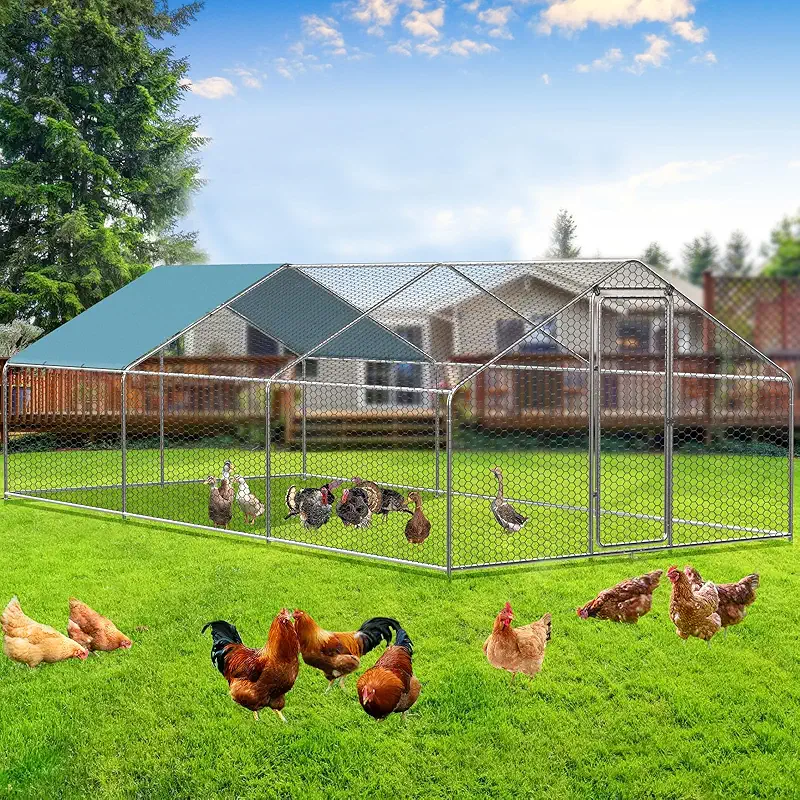
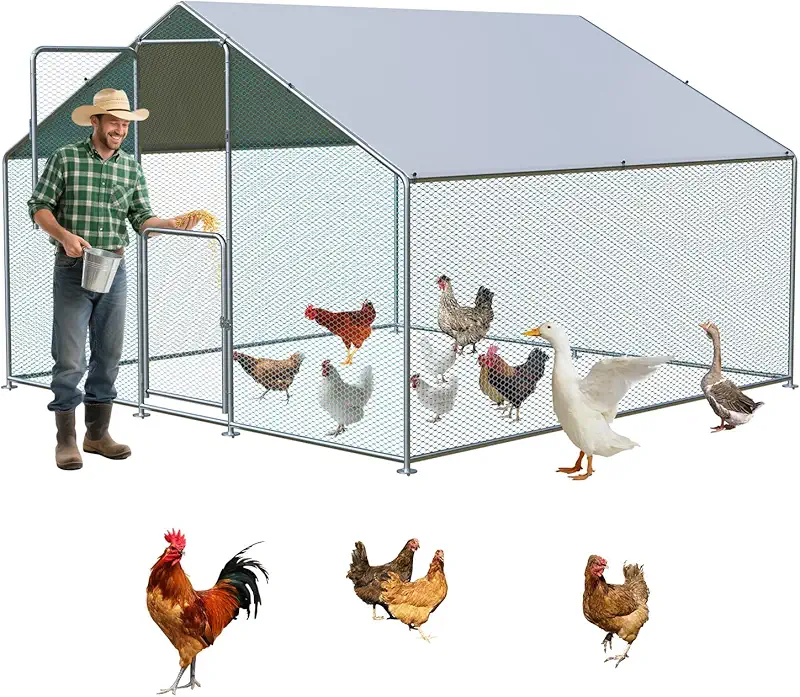
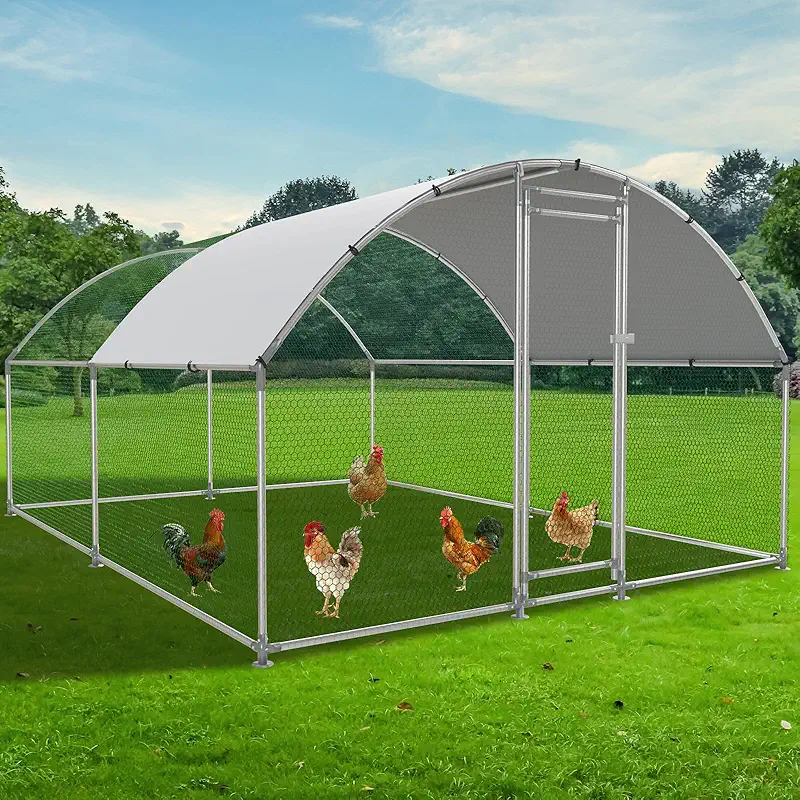
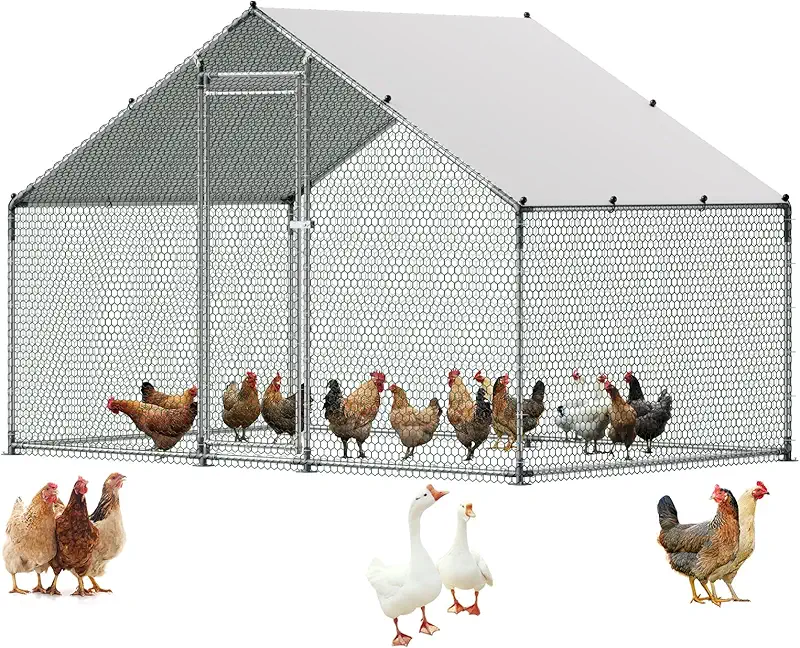
Compact walk-in metal run
A simple rectangle with a human-sized door, tall enough to let you step inside and clean without crawling on your knees.
Often a fair price for 3–6 hens, depending on the exact size and mesh strength.
I like this style because I can stand beside my birds in the rain and fix things without bumping my head. It also lets children enter safely and learn to be calm around the hens.
Low profile metal tractor style
Not all “chicken tractors” move easily, but the lower, lighter metal runs are easier to drag a few feet at a time so your birds enjoy fresh grass.
Usually more affordable, but you will bend more when cleaning or catching a bird.
I used a small metal tractor for some young pullets. Being able to slide them onto new grass each day kept their feet clean and their minds busy pecking clover and bugs.
Metal run with attached house
Here you get a small enclosed “bedroom” connected directly to a metal run. Many keepers like this because everything stays together and is easy to place in a corner of the yard.
The cost depends a lot on the size and wood or plastic used for the sleeping area.
One of my neighbors uses this style for her three favorite hens. She can close the house at night, then open it into the metal run before work without chasing anyone around the yard.
How I set up a small metal chicken coop step by step
I like to take my time when I set up a new coop. Hens notice every small change. When a space feels peaceful to you, it usually feels peaceful to them as well. Here is how I prepare a small metal chicken coop before a single bird moves in.
1. Choose the right spot
I walk around the yard and watch where the sun hits in the morning and in the afternoon. Chickens enjoy some sun, especially in winter, but they do not like to bake in it for hours. So I look for:
- Morning sun to dry the dew and warm them gently.
- Afternoon shade from a tree, fence, or shade cloth.
- Ground that drains well and does not turn into a puddle after rain.
If the only open place is very sunny, I hang a light tarp over part of the metal roof and plant a fast-growing bush nearby. It does not have to be perfect; small improvements already make a big difference for the comfort of your flock.
2. Build, then walk inside as a “hen”
After I assemble the small metal chicken coop, I always step inside and close the door behind me. I crouch a little, look around, and ask myself:
- Is there a draft that hits me right at “roost height”?
- Can I imagine a soft, dry place for a dust bath?
- Is there any sharp wire or metal edge that might catch a wing or comb?
Only after I feel calm in there do I add the feeders, waterers, and perches. It may sound funny, but this small ritual has helped me avoid many small problems.
3. Add bedding, shade, and simple enrichment
Metal is strong, but it needs soft touches. In my own small metal chicken coop, I always use a layer of coarse sand or fine gravel under straw or wood shavings. This keeps feet dry and makes cleaning easier.
I also hang a simple cabbage on a string or place a small log inside the run. Chickens love to jump, scratch, and balance. These little toys keep them busy and reduce pecking, especially when the space is small.
4. Introduce the hens slowly
When I move birds into a new coop, I do it in the late afternoon. They are naturally calmer then. I gently place them inside, show them the perches, and let them explore without loud noises.
The first night, I always go back with a flashlight just after dark and listen. If I hear relaxed clucks and soft shuffles instead of frantic wings, I know they are accepting their new home.
A calming tip: When you bring new hens to a different coop, try to sit quietly nearby for a few evenings with a cup of tea. Your presence, even silent, helps them feel the space is safe. I have seen fearful pullets relax when they hear my familiar footsteps around the coop at dusk.
Keeping a small metal chicken coop comfortable through the seasons
Metal behaves differently in summer and winter, just like we do. With a little care, your small coop can stay welcoming all year round.
Summer: beat the heat gently
In hot months, a small metal chicken coop can warm up quickly. When my region suddenly turned very warm one year, my hens started holding their wings slightly open and breathing faster. Here is how I helped them cool down:
- Extra shade: I fixed a light-colored tarp over the roof and the sunniest side of the run.
- More water points: I added a second waterer in the shade so no hen had to cross the sunny part to drink.
- Air flow: I kept openings high and wide, but blocked any strong draft that hit them directly while roosting.
Metal can actually help here because you can easily clip tarps, shade cloth, or windbreaks to the frame and adjust them as the sun moves.
Winter: dry, not sealed
Many people fear winter in a metal coop, but cold, dry air is far better for chickens than damp, closed spaces. I live where nights can get quite chilly, and I have learned this pattern:
- Block direct wind at roost height with plywood or heavy cloth on the windward side.
- Keep high vents open so moisture from their breath can escape.
- Use deep, dry bedding in the sleeping area, and check feet often for signs of frostbite.
In my own small run, I clip clear plastic to the lower sides in winter, leaving gaps near the top for air. The metal frame makes this very easy. My hens stay dry, and I can still see them scratching around when snow falls outside.
Cleaning and caring for your small metal chicken coop
A small metal chicken coop is usually much easier to keep clean than rough old wood. Still, regular care makes the space feel fresh and keeps your hens healthy and relaxed.
My weekly rhythm
Every week, usually on Sunday evening when the light is soft, I walk into the run with a small rake and a bucket. I:
- Scrape droppings from perches and any flat surfaces.
- Rake out the wettest spots under the roosts.
- Top up fresh bedding where needed.
- Rinse and refill waterers and give feeders a quick wipe.
Metal parts are simple to scrub with warm, soapy water every month or so. Because they do not absorb moisture, they dry quickly. I leave doors open for an hour while I drink tea on the steps and listen to the hens scratching through the fresh straw.
Watching your hens, not just the hardware
The best sign that your small metal chicken coop is working well is your flock’s behavior. When I see my hens:
- Dust-bathing and stretching their wings without bumping into each other,
- Moving calmly from feeder to waterer,
- And going to bed without loud protests or panic,
then I know they feel safe. If I see constant pacing along the wire, feather pecking, or hens trying to roost on the highest, narrowest bar, that tells me they do not feel settled. Then I adjust perches, add branches, or divide the space so shy birds have a quiet corner.
Quiet observation: Once or twice a week, try to sit near the coop without doing chores. Just watch your hens in their small metal run. They will show you where to add a perch, where to hang a bit of shade, and where to create a new dust bath. They are gentle teachers if we give them time.
When a small metal chicken coop might not be enough
As much as I love compact metal runs, they are not perfect for every situation. Honesty is important here.
If you plan to keep a large mixed flock, or heavy breeds that do not enjoy confinement, you may outgrow a small metal chicken coop quickly. Large roosters, very active young pullets, or breeds like Leghorns often need more space and higher perches than small runs can offer.
In that case, I like to use a small metal coop as a safe day yard or quarantine pen, and build a bigger main coop beside it. The metal structure stays useful for sick birds, broody hens, or new arrivals that need a gentle introduction to the flock.
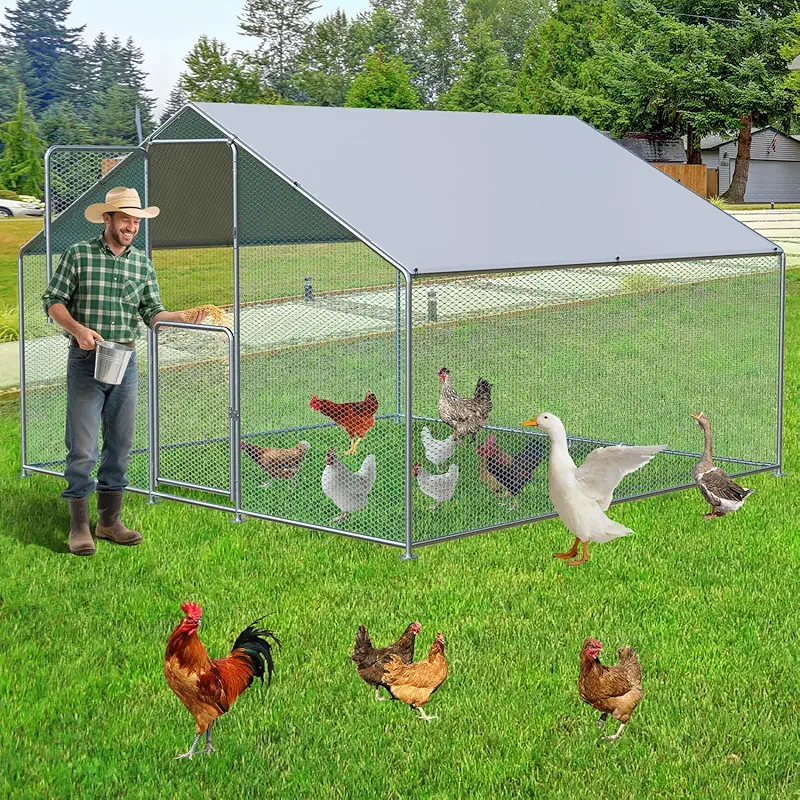
Whatever you choose, remember this: your hens care more about your daily kindness, fresh water, and calm presence than about any single feature. A sturdy, well-placed small metal coop is simply a tool that makes it easier for you to give them that steady care.
If you feel ready to explore some small metal options that match what we talked about, you can quietly look through a selection of coops and see which size and shape fits your birds and your yard.
I’ll think through choices
Small metal chicken coop – FAQs
Is a small metal chicken coop safe from predators?
It can be very safe if built and installed well. Look for strong welded mesh, not flimsy chicken wire, and make sure the gaps near the ground are small enough that nothing can squeeze through. I also like to add a small wire “skirt” on the outside of the coop, laid flat on the ground and covered with soil or stones, to stop digging animals. Check doors and latches often; a raccoon can open simple hooks, so I prefer locks that need fingers, not paws.
How many hens can live in a small metal chicken coop?
For a truly comfortable life, I prefer a small metal coop to hold no more than four to six standard hens, depending on the exact floor space. If your birds spend most of the day inside the run, give them more space per bird than the strict minimum numbers. When in doubt, think of your shyest hen. If you can picture her finding a quiet corner to rest, the space is probably enough.
Will my chickens get too hot in a metal coop in summer?
They can, if there is no shade or ventilation. Metal heats quickly in the sun, but it also cools quickly when shaded. I always place small metal runs where at least part of the day is shaded, and I use light tarps or shade cloth on the roof. Good airflow is essential. As long as the hens have shade, fresh water, and moving air, they usually handle summer better than we do.
Is metal better than wood for a small backyard coop?
Both have strengths. Metal is strong, resists chewing and digging, and is easier to clean and disinfect. Wood feels warmer and is easy to adjust with simple tools. In my own yard, I like a mix: a wooden sleeping house inside or next to a metal run. The metal part gives security and light, while the wooden part offers a cozy box for roosting and laying. For small spaces, a mostly metal frame with some wooden panels works very well.
How long does a small metal chicken coop last?
A good galvanized metal coop can last many years if you care for it. I have metal runs that are still strong after several winters and hot summers. Rinse off droppings, mud, and feed, fix any rust spots early, and tighten loose bolts now and then. Because the frame does not rot, even older coops can stay trustworthy homes for new generations of hens.