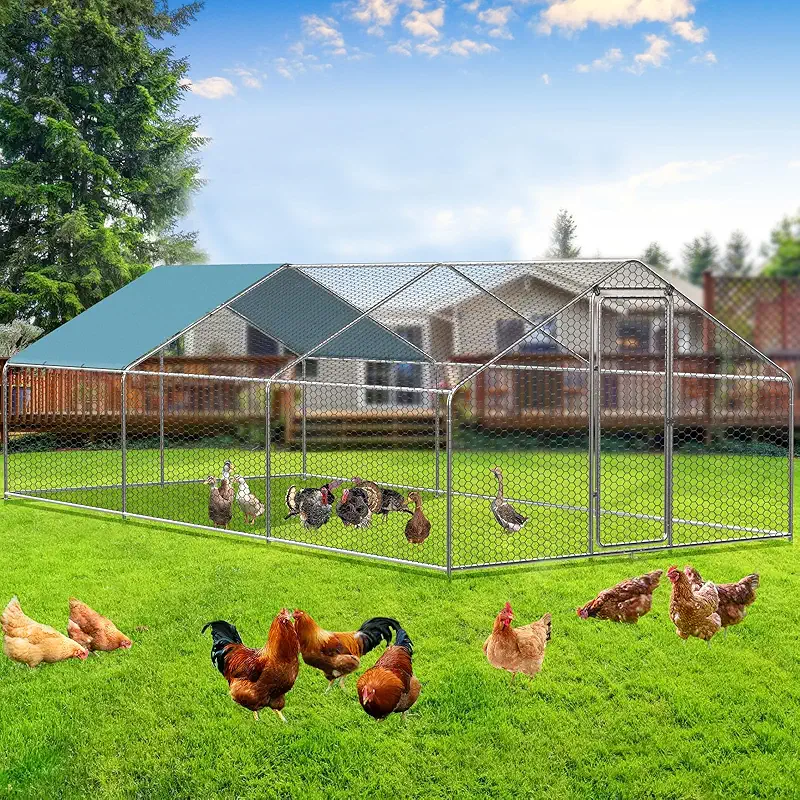
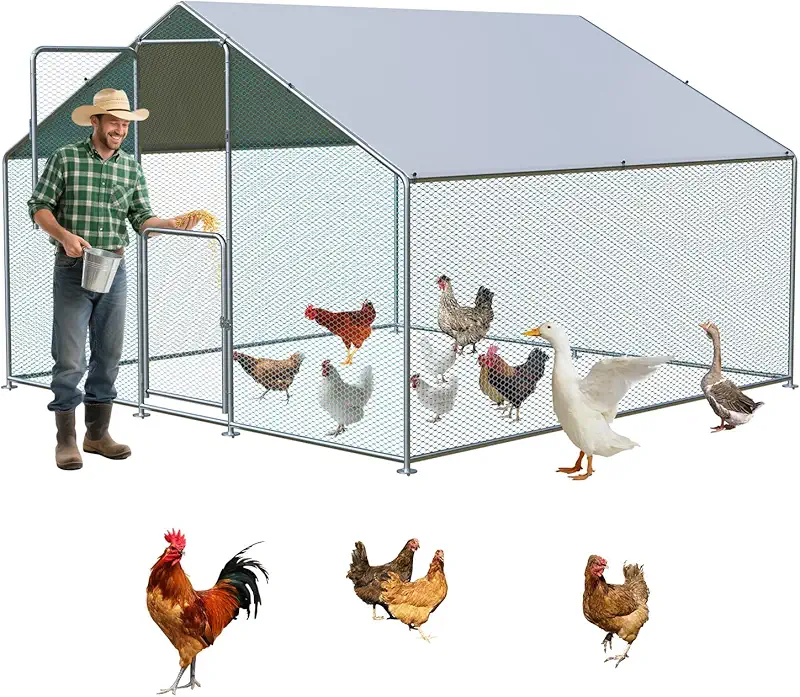
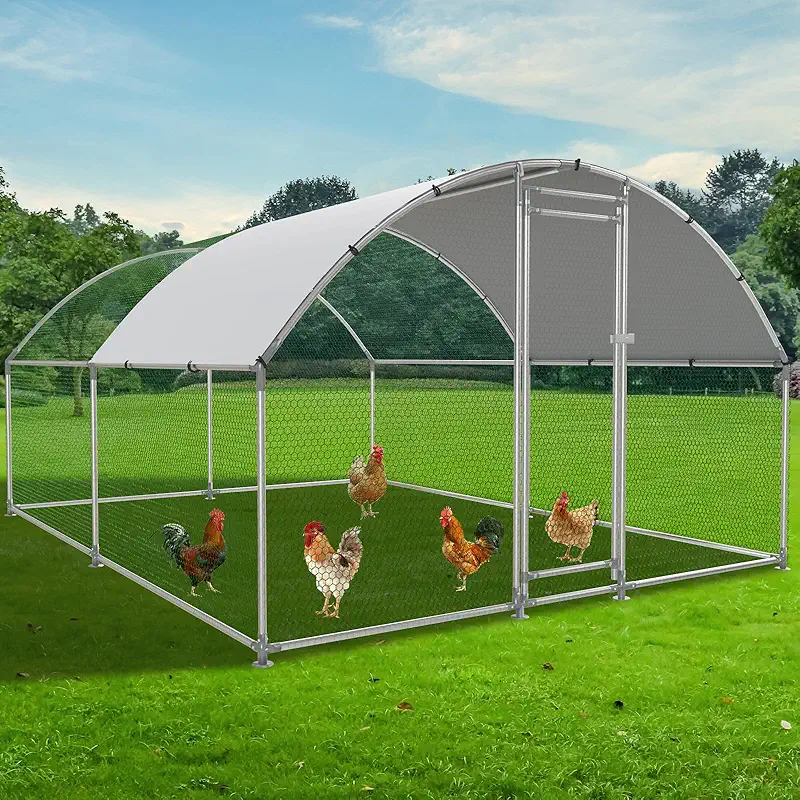
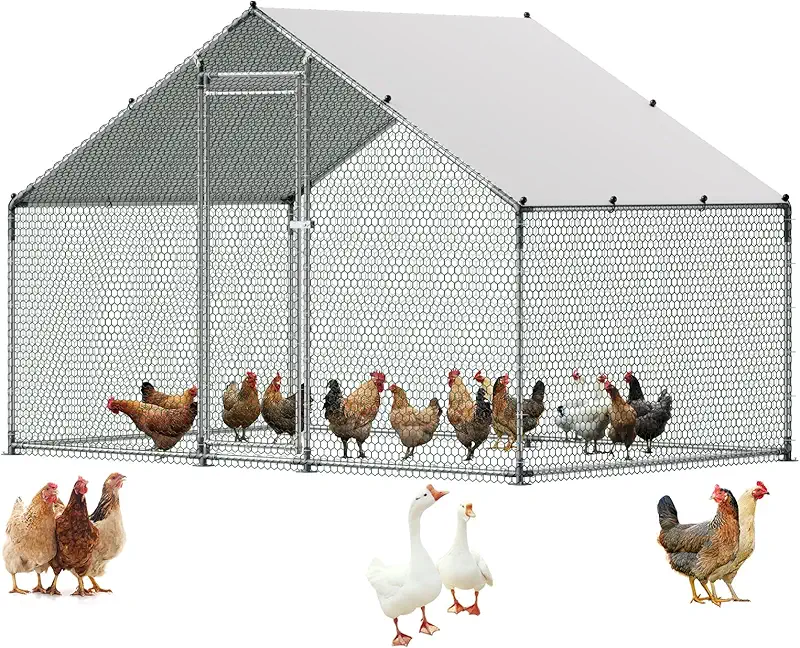
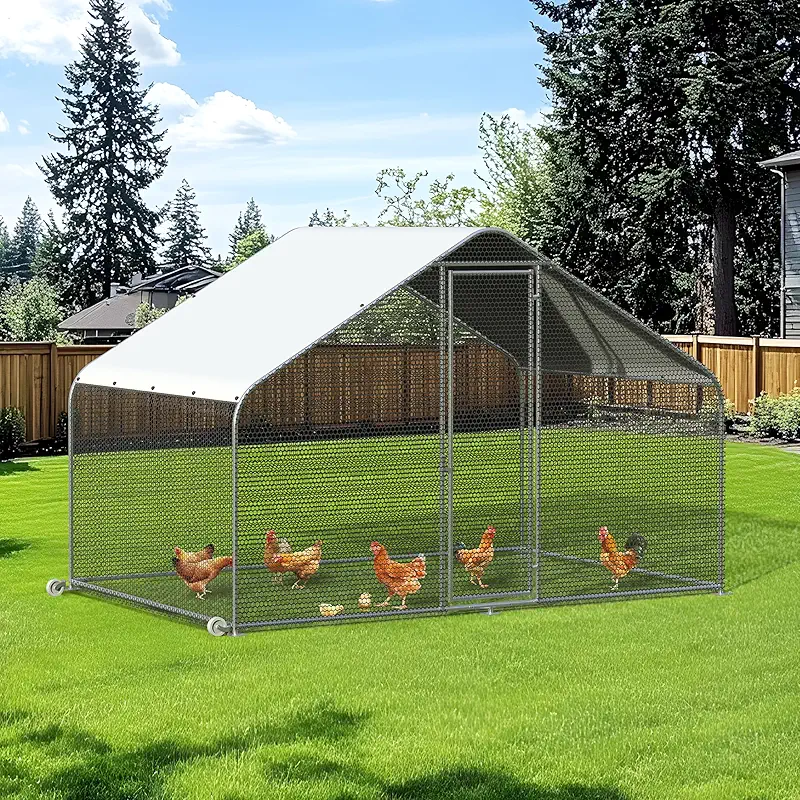
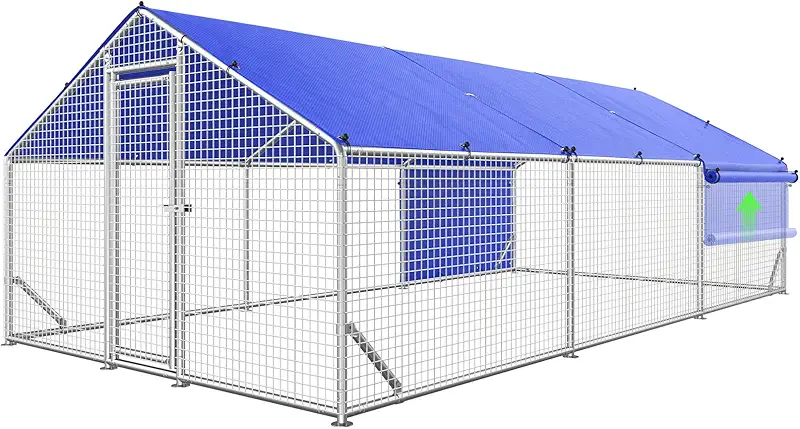
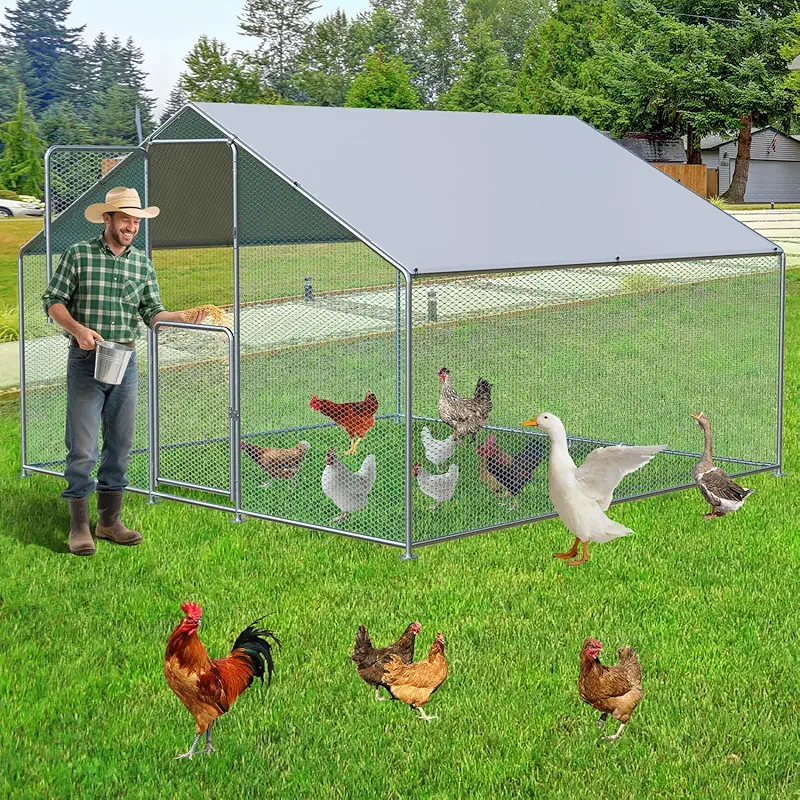
Steel chicken coop kit: how I keep my flock safe, dry and calm all year round
I have been raising chickens for many years now, through storms, fox visits and long winters.
On this page I want to share, in simple words, why a solid steel chicken coop kit has become one of the best gifts I have ever given to my birds and to myself.
Steel chicken coop kit
When people visit my little homestead, they often stop, look at my metal run and say,
“That looks serious.” I smile, because I remember the days when my hens lived in a light
wooden coop with a weak fence. One strong storm, one smart fox, and my heart broke.
That was the moment I started looking for a strong, simple
steel chicken coop kit I could trust.
Since then I have set up and used several metal coops and runs. I am not an engineer,
only a gentle soul who loves hens, but steel has made my life easier: fewer worries at
night, easier cleaning, less fixing after every storm. Here I will walk you through what
I have learned, with honest tips and quiet, practical advice, so you can decide if a
steel kit is right for your flock.
Why a steel chicken coop kit changed life for me and my hens
Over the years I have tried many kinds of housing: light wood, plastic, old sheds turned
into coops. All of them worked for a time, but none of them gave me the quiet feeling I get
now when I lock the run at night and listen to my hens settle on their roosts.
With a good steel chicken coop kit, the frame does not twist in the wind.
The mesh does not sag when the snow sits on it. Dogs may jump on the fence and slide off,
a bit confused but not inside. I do not worry about rot, termites or panels falling apart
one by one. I can spend more time watching my hens dust bathe and less time fixing broken
boards with cold fingers.
What I love about steel kits
Strong frame that does not warp with time.
Mesh that keeps out dogs and foxes when well anchored.
Easy to hose down and disinfect between flocks.
No rot, no termites, no soft spots at ground level.
Modular design: easy to add shade, tarps and perches.
Little things to watch out for
Metal can get hot in strong sun without shade.
Ground-level gaps need extra care for digging predators.
Assembly takes time and patience the first day.
You still need a sheltered roosting area inside the run.
Cheap kits with thin mesh can bend if misused.
A kit is not magic. It is a strong shell you can shape into a real home for your hens.
When I look at any listing for a steel chicken coop kit, I imagine my oldest hen, a
gentle red girl named Clara, standing by the door. Would she feel safe there during a
thunderstorm? That question guides every choice I make.
Different kinds of steel chicken coop kit and who they suit
Not every flock has the same needs. I keep a mix of layers and a few elderly hens who
move more slowly now. My neighbor keeps only three bantams, light as leaves. Another
friend keeps almost thirty birds. Each of us uses a different style of steel run and
we are all happy because the size and shape match our birds and our habits.
Compact steel run for tiny flocks
Best for 3–4 hens with daily free-ranging
Short frames that you can move if you need to change the patch of grass, perfect for
small backyards and for people who like to keep things simple and light.
I always tell people: think first about your birds’ daily rhythm. How many hours will they
spend inside the run? Will they free-range in the garden under your eye, or will the run
be their whole world? A small steel chicken coop kit is fine if the birds roam outside
all afternoon. If they stay inside more, give them more room than you think. Happy hens
walk, stretch their wings and nap without bumping into each other.
How I set up a steel chicken coop kit step by step
When a new kit arrives, I make tea first. Building day is not a race; it is the start of
a new home for living creatures who trust you. Here is how I put a steel chicken
coop kit together in a calm, steady way.
1. Choosing a gentle place
I walk around the yard and look at the light. Chickens love morning sun and afternoon
shade. I avoid low spots where water sits after rain. I also think about me: I want the
coop close enough that I can see it from the kitchen window and reach it easily with a
bucket in winter.
Little tip from my old rooster days: place the coop where you can hear your flock at night.
Their sounds will tell you, even half asleep, if something is wrong.
2. Laying out the frame
I spread all the parts on the grass and group them: long tubes, shorter ones, corner
pieces, mesh panels, roof parts. Most steel chicken coop kits use a simple
system with numbered or lettered pieces. I take a marker and label anything that is not
clear. It saves a lot of walking back and forth later.
Then I build the base rectangle first, making sure it is square. I measure the diagonals;
if they are the same, the base is square. This sounds fussy, but a straight base makes
the whole frame stronger and the door easier to align.
3. Raising the walls and roof
Once the base is set, the walls almost grow by themselves. I connect the vertical pipes,
add the top frame, and tighten all the fasteners gently at first. I only do the final
tightening when the roof is on and I can see that everything sits straight.
I like roof shapes that shed rain and snow easily, like simple pitched or curved designs.
In my snowier winters, a stronger roof saved my hens from scary sounds of panels bending
under weight. With a good steel frame, snow slides off more easily if you keep a tarp or
sheet metal roof tight and smooth.
4. Fixing the mesh and closing the gaps
Mesh is where many people make small mistakes. I start at a corner and pull the mesh snug,
using plenty of ties. I do not leave loose spots at the bottom, where a dog, raccoon or fox
nose will surely test it.
The most important thing: the ground line. Predators dig. I either bury the mesh six to
eight inches down, or I lay a horizontal “apron” of mesh outwards around the run and pin
it with ground stakes. Grass grows through it and holds it in place.
I learned about aprons from an old farmer who lost birds to a persistent fox. After he
added a 12–18 inch mesh apron around his steel chicken coop kit, the fox gave up within
two nights.
Making a steel chicken coop kit into a warm, kind home
Steel gives you the skeleton. Your care gives it a heart. Chickens do not need luxury,
but they do need safety, dry footing, and a few simple comforts. Over time I found a few
small touches that make life softer for them and easier for me.
Gentle flooring and clean feet
Bare dirt turns to mud when rain comes and chickens keep scratching. I like to start with
a base of coarse sand or small gravel for drainage, then add straw, wood shavings or dry
leaves as a soft top layer where they can scratch and dust bathe.
In my main steel chicken coop kit, I rake the floor every few days, shake out the worst of
the droppings and add fresh dry material. The metal frame lets me hose the corners clean
when needed without worrying about rot. My hens’ feet stay cleaner, which means less risk
of bumblefoot and a nicer smell near the house.
Shade, shelter and quiet corners
Metal can hold heat, so shade is important. I attach shade cloth or a light-colored tarp
to the sunniest side of the run. I also like to add a simple wooden or plastic house
inside the steel frame, where the hens can roost, sleep and lay in privacy.
Hens value small hiding spots even inside a safe run. A crate on its side, a low pallet,
a bunch of tall grass in a pot – these tiny things help shy birds feel less exposed. In a
steel chicken coop kit, it is easy to hang or tie these extras wherever
the flock seems to gather.
A small story from my flock: I once had a hen named Daisy who was often
pushed away from the main feeder. When I moved to a walk-in steel run, I finally had room
to hang two extra feeders at different heights. Daisy quietly chose the corner she liked,
and within a week she gained weight and her comb turned bright red again. The steel kit
did not make her happier by itself; the extra space and the chance to arrange things
kindly did.
Perches, feeders and water
One of my favorite parts of a steel run is how easy it is to attach perches. I use strong
wooden poles or branches and tie them firmly to the frame so they do not twist. I make
sure they are higher than the nest boxes so hens do not sleep where they lay eggs.
For feeders and drinkers, I hang them at chest height of the smallest hen, so they do not
get filled with bedding. Hanging them from the steel frame keeps the floor cleaner and
reduces wild bird visits that can spread disease.
Daily care inside a steel chicken coop kit
People sometimes think a strong run means less work. It does mean fewer repairs, but the
gentle, daily care still matters. A clean, calm coop smells sweet and feels quiet when you
step in. Chickens notice these things; they are more peaceful layers when their space is
not crowded or dirty.
Morning and evening rhythm
In the morning I bring fresh water, check feeders and quickly walk the perimeter of the
steel chicken coop kit. I look for new holes, strange footprints, loose
ties. It takes two minutes but it has saved my flock more than once.
In the evening, when I close the door, I listen. If everyone is quiet with a soft murmur,
I know all is well. If I hear restless clucking or see birds sleeping on the ground
instead of perches, I look closer: maybe mites, maybe drafts, maybe a bully hen.
Weekly cleaning routine
Once a week, weather allowing, I open the gate wide and rake the floor, topping it with
fresh dry bedding. Once a month, or after any illness, I wash the metal parts that are
easy to reach, using mild soap and water, then letting everything dry in the sun.
The steel frame does not soak up moisture or smells, so odors do not linger like they do
in old wood. This is one of the biggest quiet gifts of a steel chicken coop kit: it
supports good hygiene with much less effort.
How to choose the right steel chicken coop kit for your flock
When friends ask me which kit to pick, I do not start with brand or price. I start with
three questions: How many birds? How many hours inside? What kind of weather? The right
choice is the one that fits your everyday life, not the shining picture on a box.
Bird numbers and size: Large breeds like Orpingtons and Brahmas need
more floor space and higher perches than light Leghorns or bantams.
Climate: In hot areas, look for high roofs and plenty of mesh sides.
In wet or snowy climates, choose a kit that accepts solid roofing or heavy-duty tarp.
Predators: If you have strong dogs, coyotes or raccoons, favor thicker
mesh and solid door latches, and always add extra ground protection.
Your body: Pick a kit tall enough that you can enter and stand
comfortably. Your back will thank you every winter.
Keeping these points in mind, you can browse different kinds of
steel chicken coop kit without feeling lost. When you read any product
page, imagine your daily routine inside that frame – opening, cleaning, carrying water –
and how your birds would move in that space.
See different steel coop layouts
If you’d like to look through several frame sizes and roof styles, you can head over to
a selection of steel chicken coop kits that match what I’ve been describing here.
FAQ about choosing and using a steel chicken coop kit
1. Is a steel chicken coop kit safe for chickens in very hot weather?
Steel can get warm in strong sun, but with good shade and airflow it is safe. I always
place my kit where it gets morning sun and afternoon shade if possible. I add shade cloth
or a light tarp on the sunniest side and make sure there is plenty of breeze through the
mesh. Fresh water, shallow pans for chickens to stand in, and a dust bath area help them
handle the heat. In my hottest summers, my hens stayed more comfortable in the airy steel
run than in closed wooden sheds.
2. Can a steel chicken coop kit replace a traditional wooden coop?
It depends on the design. Many steel kits are mainly runs – safe outdoor areas – and
still need a small house or roosting box inside for night time and bad weather. Some
kits include covered sections where you can add roosts and nest boxes under a solid roof.
In my own setup, the steel frame is the secure run, and inside it I place a simple wooden
sleeping house. Together they work better than either one alone.
3. How many chickens can I keep in a steel chicken coop kit?
As a gentle rule, I plan at least 10 square feet of run space per standard hen if they
spend long hours inside, and more if I can. Many product pages give a bird number that
feels too high to me. I always subtract a few from that number. More space means less
pecking, cleaner feathers and calmer birds. When you look at any kit, imagine each hen
with room to stretch her wings without touching her neighbor.
4. How long does it take to assemble a steel chicken coop kit?
For me, with simple hand tools and one helper, a medium walk-in kit usually takes half a
day to a full day. The first hour goes to sorting parts and reading the instructions
slowly. After that, the frame rises quite quickly. I prefer to take my time, double-check
every connection and stop for breaks. A coop built in peace lasts longer and feels better
every time I open the gate.
5. How do I protect a steel chicken coop kit from rust?
Most good kits use galvanized steel, which already resists rust. I still like to inspect
joints and cut edges once or twice a year. If I see a scratch or exposed metal, I dab a
little rust-protective paint on it. I also keep the base well drained, with gravel or
sand, so water does not sit around the frame. With these simple habits, my first steel
chicken coop kit has stayed strong and mostly shiny for many seasons.