Why a walk in metal chicken coop changed my daily routine
For a long time I bent my back just to refill feeders, scrape droppings, or check on a broody hen hiding in a corner. My old wooden coop was low and dark. I loved my birds, but every visit inside was a small battle with cobwebs, mud and aching knees.
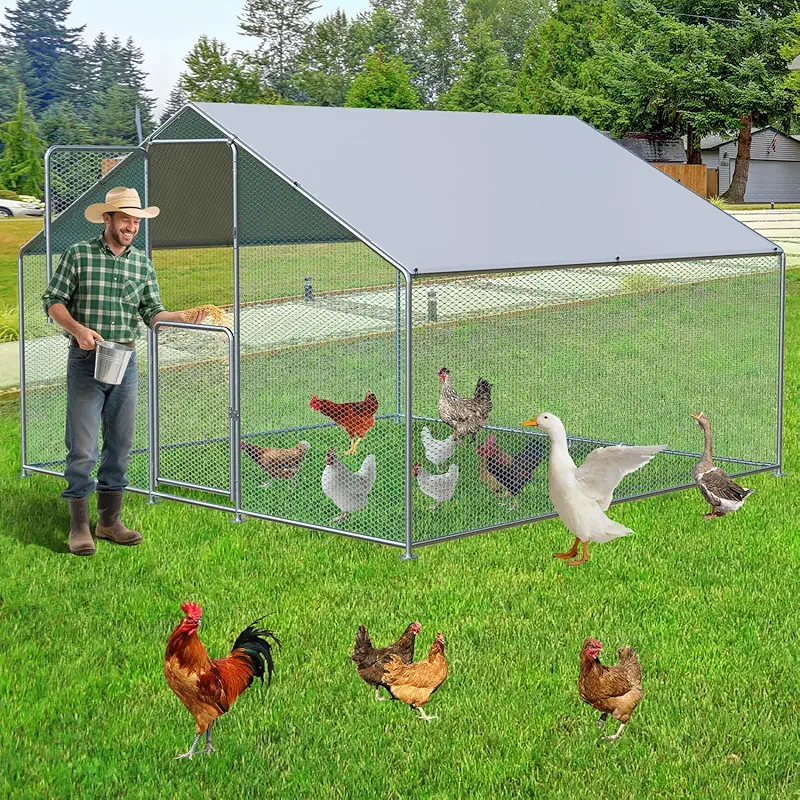
When I first stepped into a walk in metal chicken coop, it felt almost too easy. I could stand up straight, look around the whole flock in a second, and see the faces of every hen. I still remember thinking, “Why did I wait this long?” If you care for your chickens like family, being able to walk in beside them, calmly and without strain, changes the way you relate to them.
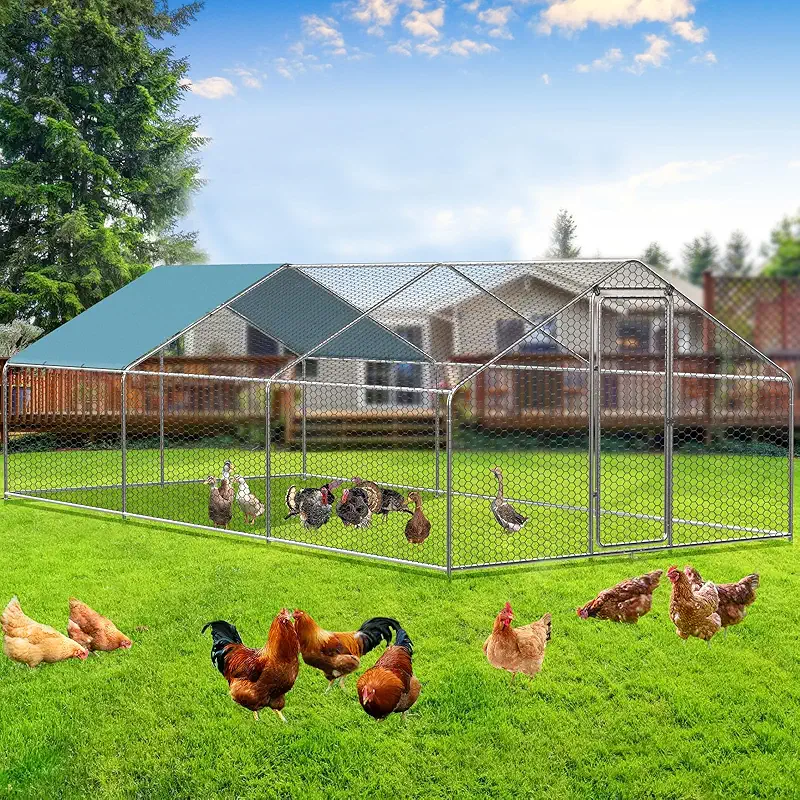
A walk in metal chicken coop is more than a cage with a roof. It is a safe room where your hens sleep, eat, dust bathe and gossip in peace. For you, it is a workspace, a place where you move freely, reach every corner and notice small problems before they grow. In my experience, this is the biggest hidden value of walking inside the coop: you notice early signs of sickness, bullying or stress because you can simply stand there and watch quietly.
Key benefits of a walk in metal chicken coop
People often ask me, “Is a metal run really that different from a simple wooden one?” For me, yes. The difference shows up slowly in daily life and in the long-term safety of the flock. Here are the main points I have noticed over the years.
1. Real protection from predators
I live in an area with foxes, raccoons, hawks and the occasional stray dog. In the beginning, I underestimated how patient predators can be. They watch the coop, test weak spots at night and push at sagging boards or cheap mesh. I have lost birds in the past, and every loss stayed with me.
With a solid walk in metal chicken coop, the steel tubes and the stronger wire mesh make a big difference. The structure does not flex the same way as thin wood. Doors close more firmly. Panels can be anchored to the ground so that digging becomes harder. Nothing on earth is 100% predator-proof, but a strong metal frame buys you precious time and adds several hard layers between your hens and danger.
One cold night I heard my rooster sounding the alarm. When I ran out, a dog was scratching at the side of the run, frustrated by the mesh. In my old coop, that scene might have ended badly. This time, everyone was still inside, wide-eyed but safe. That morning, I quietly thanked the extra steel bars running along the sides of the walk in metal chicken coop.
2. Easier cleaning and better hygiene
Chickens are sweet, but they are not tidy. Droppings pile up, dust floats everywhere, and spilled feed attracts rodents. A walk in metal chicken coop gives you space to manage all this without acrobatics.
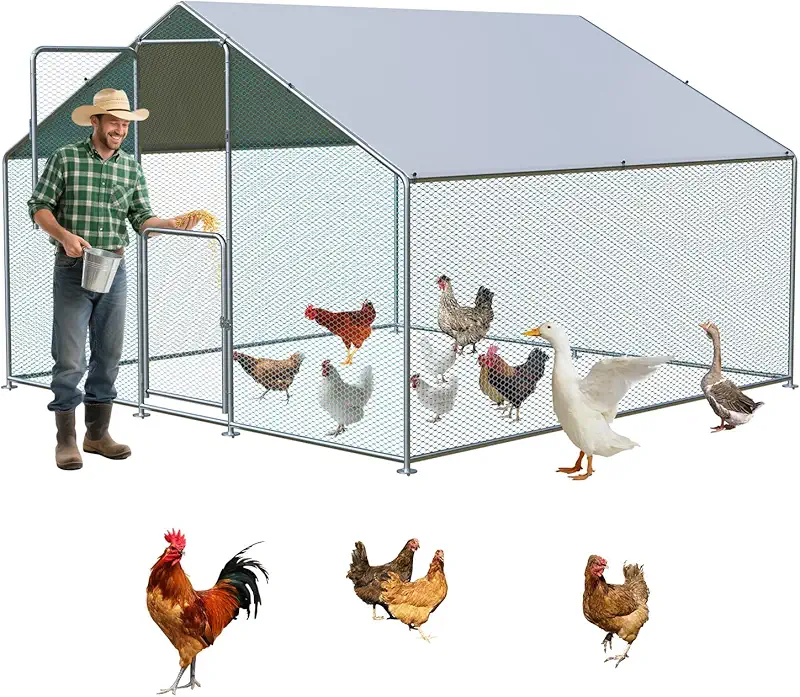
Because I can walk inside, I can bring in a shovel, a rake or a wheelbarrow. I do not have to crawl on my knees around a corner just to clean behind a feeder. The metal posts and frame also stay smoother than rough wood, so dust and cobwebs do not cling as strongly. A quick brushing or hosing down now and then really freshens the space.
Good hygiene is not about perfection. It is about making the “good enough” tasks simple, so you actually do them. A walk in metal chicken coop turns deep cleaning days from a dreaded event into a doable routine. The result is fewer respiratory problems, cleaner eggs and calmer birds.
3. Durability through seasons
Sun, rain, snow and wind slowly chew through any structure. With wood, I constantly worried about rot, termites and boards swelling out of shape. Metal is not magic, but tubes with a protective coating hold up much better under these changes.
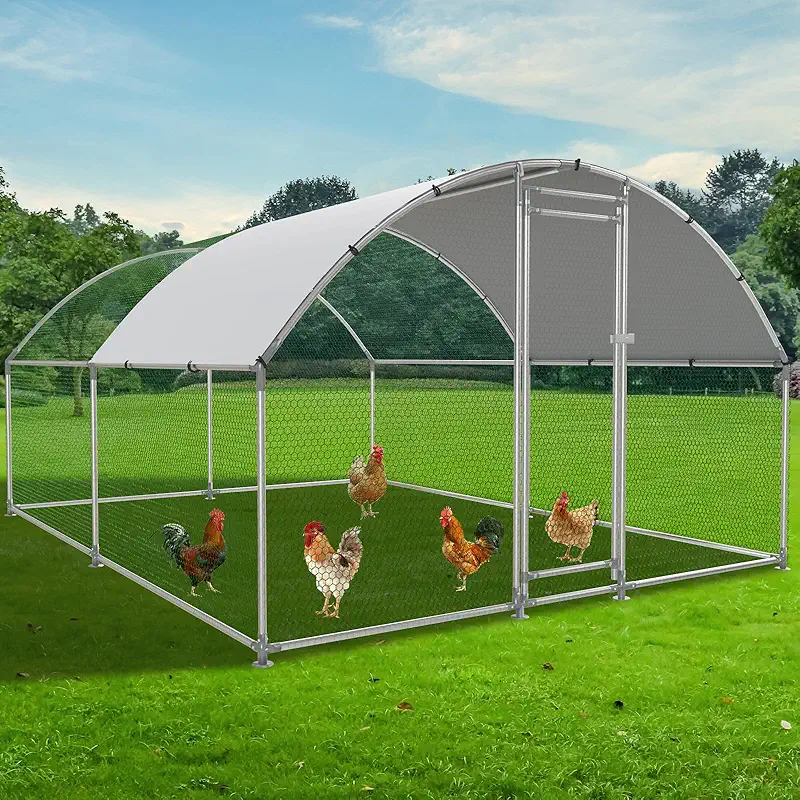
Over several years, my metal walk in coop frame has stayed straight and solid. Hinges still line up. Doors close properly. Roof panels have not sagged. I do check for rust, of course, especially near the ground and screws, but occasional attention with a protective spray is usually enough.
This steady shape is important for safety as well. Predators love gaps that open when wood twists or doors hang crooked. A rigid metal frame keeps those gaps much smaller, so a clever raccoon has less to work with.
4. Comfort for the keeper, calm for the flock
Maybe the most underrated part of a walk in metal chicken coop is how it makes you feel. When chores are painful or cramped, you tend to rush them. When you rush, you miss details: a limping hen, a pecked comb, a broken egg, or a waterer starting to leak.
In a walk in coop, I breathe, move slowly and usually end up staying a few minutes longer than planned. The hens pick up on that calm mood. They do not scatter every time I open the door. Many of them come closer, curious, and that is when I notice who is losing weight, who is molting, who might need a little extra care.
Ease of movement also matters when something urgent happens. Once, a hen got tangled in a string from an old feed bag. Because I could rush inside without stooping or squeezing through a tiny door, I reached her in seconds. Situations like that remind me how valuable simple access really is.
How to choose the right walk in metal chicken coop
When you start looking at different models, it is easy to get lost in numbers and pictures. I like to bring it back to the hens themselves. Imagine them moving, resting and hiding through the whole day. Then imagine yourself stepping in there every morning and evening. If both of those images look comfortable and calm, you are close to the right size and layout.
1. Think about your flock size and growth
My first mistake as a chicken keeper was building for “today’s hens only.” Within a year I had added more birds, rescued two older hens from a neighbor, and kept a surprise chick that hatched under a sneaky broody. Suddenly my space was tight and tempers flared.
As a simple rule, give large hens at least 8–10 square feet of run space each, more if possible. Remember that a walk in metal chicken coop often acts as both shelter and run, so extra room is very welcome. If you think you might add even two or three more birds in the next couple of years, size up now. Metal frames are easier to extend than to shrink.
2. Pay attention to height and door placement
A walk in coop should really let you walk in, not just crouch. I always look for at least 6 feet of interior height, more if a roof slope lowers one side. A full-size door that closes well, with a simple latch you can use while wearing gloves, is also very important.
Think about how you will carry buckets, bales of bedding or a bag of feed through that doorway. Avoid narrow, awkward openings that put you and your supplies in a tight squeeze. I personally like doors that open outwards. This way, if birds rush the entrance, you still have some control of the space.
3. Mesh quality and roof coverage
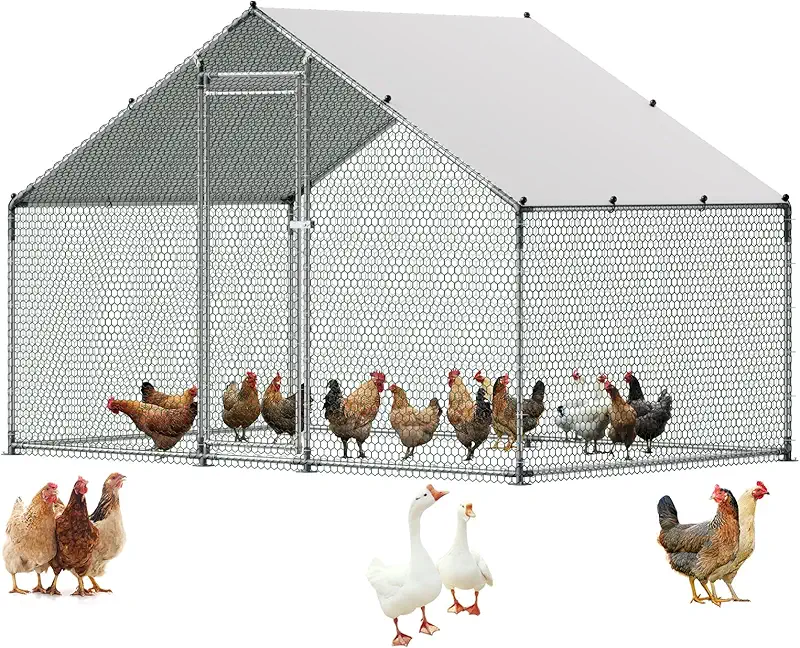
The wire mesh around your walk in metal chicken coop is the real shield between your hens and the outside world. Thin, wide mesh may keep chickens in, but it does not always keep smaller predators out. I always check that openings are small enough to stop raccoon paws from reaching through and that the metal is not flimsy or easily bent by hand.
Roof coverage matters too. A fully covered roof protects from rain, snow and hawks. Partial covers can still work, but make sure at least part of the coop stays dry during storms so birds have a comfortable place to rest. I like a solid panel over the feeding area and roosts, with flexible options like shade cloth for the rest.
4. Ground anchoring and wind resistance
A walk in metal chicken coop stands tall and catches wind like a small barn. In gusty areas it is wise to anchor it firmly to the ground. This can mean stakes, ground anchors, or attaching the frame to a simple base of wood or concrete.
I have seen what a sudden storm can do to a light structure not fixed in place. It might not blow away completely, but even a small shift can twist doors and open gaps. Taking the time to secure the legs or base of your coop is a kind gift to your future self and to the flock.
Everyday life inside a walk in metal chicken coop
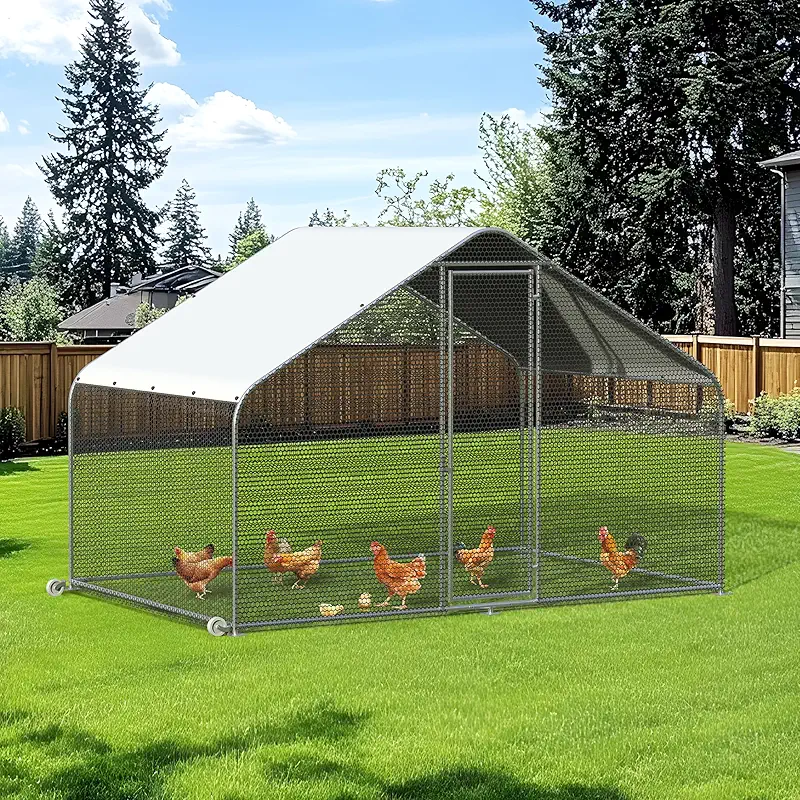
Let me paint a simple day in my own coop. At sunrise, I walk out with a mug of warm tea. I open the door, step comfortably inside and the girls greet me with quiet clucks. I refill the feeder, rinse and top up the waterer, and gather any early eggs from the nesting boxes.
Because I can stand up and move around, I quickly scan the corners. Is the bedding still dry? Has anything chewed at the wire overnight? Are there damp spots near the waterer? This check takes only a minute, but it keeps small issues from turning into real problems.
In the afternoon, the flock often chooses to hang out inside the walk in metal chicken coop even if they have access to the yard. The metal frame with a roof gives them shade and a feeling of shelter. I added a dust bath tub inside one corner and they love to dig and flap there, safe from hawks overhead.
At night, closing up the coop is quick and peaceful. I simply walk inside, count heads on the roosts, and listen. When chickens are unhappy, they make a certain restless sound. When they feel secure, you hear soft, sleepy murmurs. In a well-set-up walk in coop, those calm night sounds are the norm.

Simple tips to get the most from your metal coop
Over the years I have learned a few small tricks that make a walk in metal chicken coop even more pleasant, both for the birds and for me.
Use deep, dry bedding
A thick layer of wood shavings, chopped straw or other dry material on the ground makes walking easier for chickens and humans. It absorbs moisture and droppings, and with occasional turning it stays fresh for a long time. In a tall walk in coop, turning bedding with a rake is simple, so this method works very well.
Hang feeders and waterers securely
Metal frames give you many solid points to hang feeders and waterers. Keeping them slightly off the ground helps control spills and keeps bedding out of the water. I like to hang them at about the height of the hens’ backs. This way, they can reach comfortably but do not kick so much dirt inside.
Add perches and quiet corners
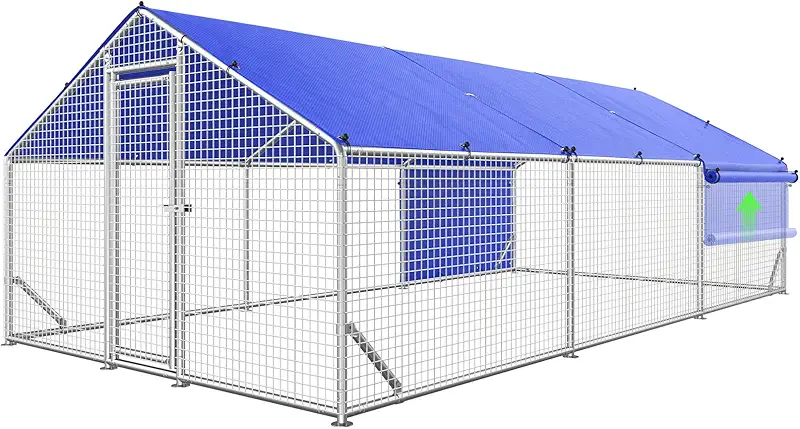
Even in a walk in metal chicken coop that looks like a simple frame and mesh, you can create different “rooms” for your flock. A low perch at one end, a dust bath tub in another, and a small visual barrier of boards or plants can give shy hens a place to rest away from the dominant birds.
Check fasteners and joints twice a year
Seasons change, metal expands and contracts a little, and bolts can loosen over time. Twice a year, usually spring and fall, I walk through the coop with a small tool and gently tighten screws and clamps. This quiet ritual reminds me that the coop is not just a structure but a kind of shell holding my little flock safe.